Phone: +86-137 5102 2384
Phone: +86-137 5102 2384
Blog/Insights
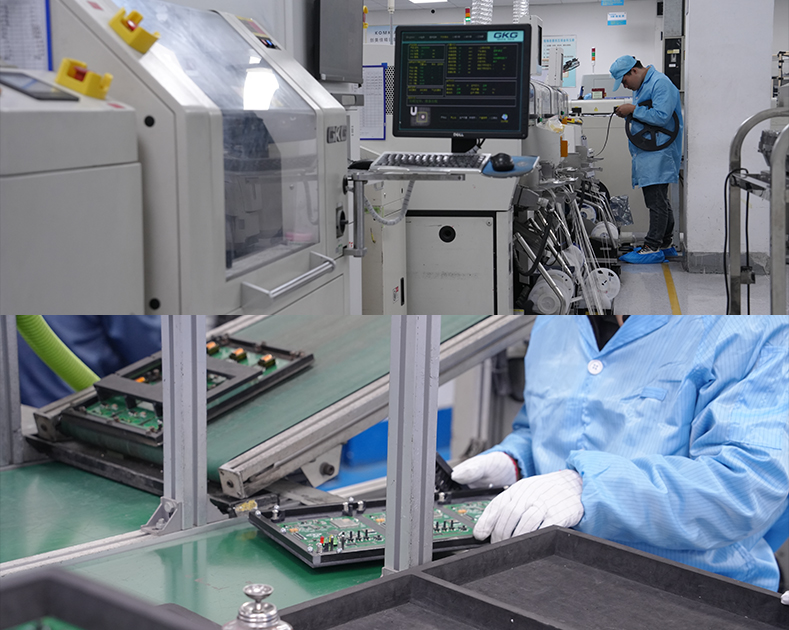
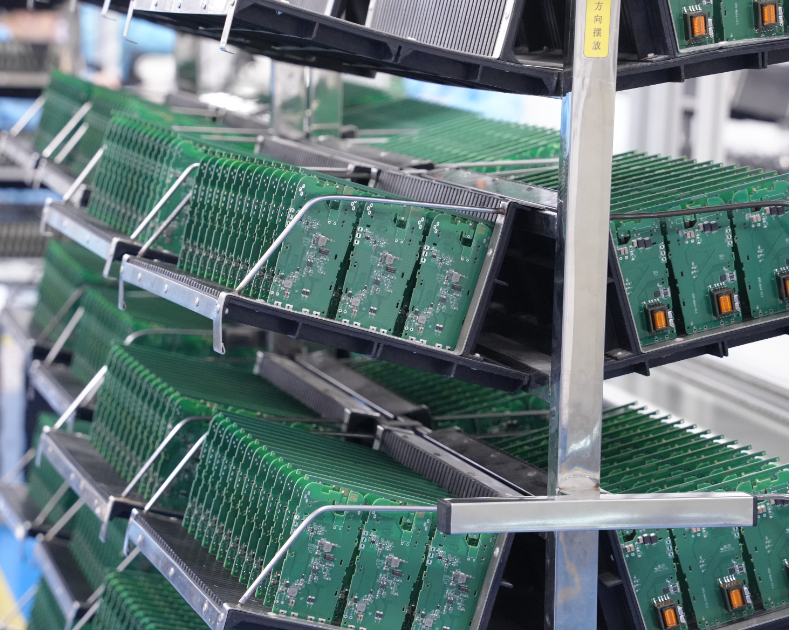
Our state-of-the-art production lines ensure consistent quality for complex and high-density PCBA assemblies, adhering to IPC-A-610 Class 2/3 standards.
Oct. 13, 2026
7 Common Problems When Scaling PCBA From 10 Units to 10,000 Units
Scaling PCBA from 10 to 10,000 units is not simply a larger purchase order. The transition from a PCB assembly prototype to mass production changes how you manage the BOM, DFM, SMT yield, testing, suppliers, and production documentation. Teams searching for low-volume to high-volume PCB assembly often face the same risks: parts become unavailable, a prototype design fails automated assembly, and
Read More
Oct. 12, 2026
What Is First-Pass Yield in PCB Assembly and How Can It Be Improved?
First-pass yield (FPY) in PCB assembly is the percentage of printed circuit boards that pass the complete manufacturing process the first time, without rework, repair, or retesting. The basic formula is FPY = first-pass good units ÷ total units processed × 100%. For example, if 980 of 1,000 assembled PCBs pass inspection without correction, the FPY is 98%. A high FPY reduces labor, scrap,
Read More
Sep. 28, 2026
When Should OEM Buyers Choose Box Build Assembly Instead of PCBA Only?
OEM buyers should consider box build assembly when the product requires more than a tested PCBA—such as an enclosure, wiring harness, power supply, display, sensors, switches, mechanical hardware, labeling, and final system-level testing.
Read More
Sep. 28, 2026
SMT vs DIP vs Mixed Technology PCB Assembly: Which Process Should Buyers Choose?
For most modern electronics, SMT is the primary PCB assembly process, but it is not automatically suitable for every component or product.
Read More
Sep. 28, 2026
How Functional Testing Reduces Field Failures in Electronic Products
One stop pcb assembly providers and electronics manufacturers use functional testing to verify that a product performs its intended job before it reaches the customer. A strong functional test process detects assembly defects, firmware problems, incorrect component values, intermittent connections, and system integration issues that may not appear during visual inspection or basic electrical
Read More
Sep. 25, 2026
What Is NPI in Electronics Manufacturing and Why Does It Matter?
What Is NPI in Electronics Manufacturing and Why Does It Matter? New Product Introduction (NPI) is the controlled process of converting an electronic design into a manufacturable, testable, and scalable product. In practical terms, NPI connects engineering, procurement, PCB fabrication, one stop pcb assembly, testing, and volume production. For a business, a well-managed NPI program reduces
Read More
Sep. 24, 2026
BGA Assembly Defects: Common Causes, Inspection and Prevention
BGA assembly defects can cause hidden open joints, short circuits, weak solder connections, and early product failure. BGA soldering needs accurate paste printing, stable placement, and controlled heating. A reliable reflow profile helps each solder ball melt and join the PCB pad correctly. X-ray inspection is often required because most BGA joints are hidden under the package. This guide
Read More
Sep. 23, 2026
How to Prepare Your PCB Design for Automated Assembly
To prepare a PCB design for automated assembly, build it around design for manufacturability (DFM), reliable pick-and-place data, and controlled solder paste printing from the beginning. A practical PCB design for SMT assembly should include correct fiducial markers, verified component land patterns, and production-ready SPI inspection requirements. This guide explains how to prepare a PCB design
Read More
Sep. 22, 2026
PCB Assembly RFQ Checklist: Gerber, BOM, Pick-and-Place Files and More
PCB assembly projects often slow down before production starts because the supplier does not receive complete or matching files. A clear PCB assembly RFQ checklist helps buyers send the right Gerber files, bill of materials, and pick-and-place data on the first request. It also gives the manufacturer enough information to calculate setup time, component cost, assembly labor, testing cost, and
Read More
Sep. 21, 2026
How Much Does PCB Assembly Cost? A Guide for OEM Buyers
For most OEM orders, PCB assembly cost ranges from about $0.30–$3.00 per board for simple, high-volume SMT production, while prototypes and low-volume PCB assembly cost may reach $8–$50 or more per board. A reliable PCB assembly cost calculator must include the BOM, setup, stencil, component sourcing, testing, and freight—not only the quoted assembly fee. This guide explains turnkey PCB
Read More
Find Partners, Not Just Suppliers
Expert OEM & PCBA manufacturing tailored to your exact specifications. Contact us today to discuss your project and discover a more collaborative way to manufacture.
Get a Fast Quote & Free DFM Review
Related PCB Assembly Service