Phone: +86-137 5102 2384
Phone: +86-137 5102 2384
Blog/Insights
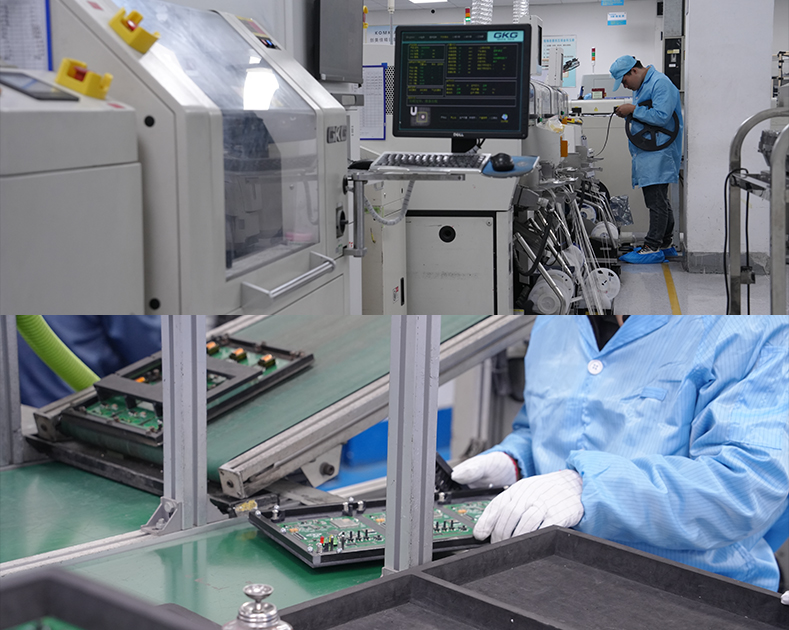
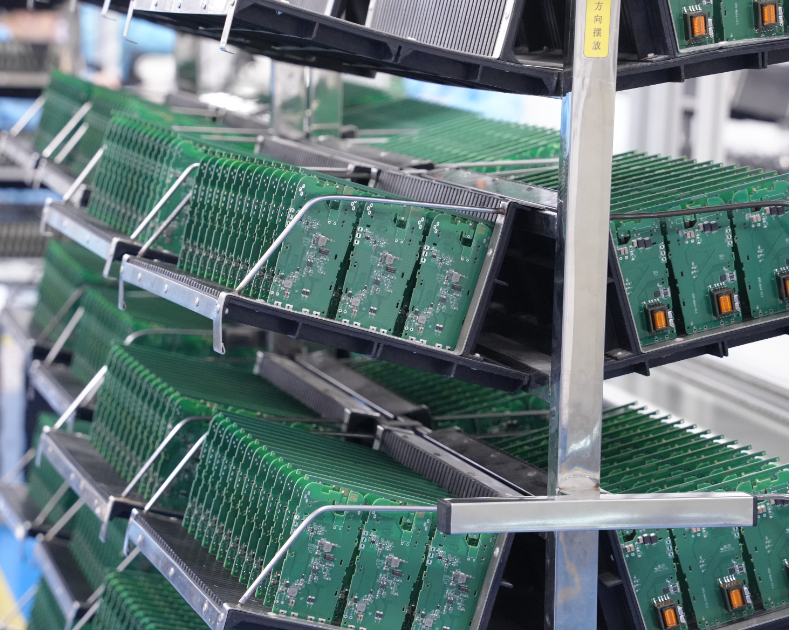
Our state-of-the-art production lines ensure consistent quality for complex and high-density PCBA assemblies, adhering to IPC-A-610 Class 2/3 standards.
Sep. 10, 2026
Pilot Production vs Prototype Production: What Is the Difference?
For teams planning one stop pcb assembly, understanding the difference between prototype production and pilot production is essential. A prototype proves that a design can work. A pilot production run proves that the design, process, materials, inspection system, and supply chain can work repeatedly at a larger volume.
Read More
Sep. 09, 2026
How to Optimize a PCB BOM Without Sacrificing Product Reliability
Optimizing a printed circuit board bill of materials is not simply a matter of selecting the lowest unit price. Purchasing teams must reduce cost while protecting electrical performance, product life, regulatory compliance, production continuity, and field reliability. A structured one stop pcb assembly process helps engineering, purchasing, quality, and manufacturing teams make these decisions
Read More
Sep. 08, 2026
Why Burn-In Testing Matters for High-Reliability Electronics
A high-reliability electronic product can pass functional testing today and still fail after a few hours, days, or weeks in the field. This is the central reason Why Burn-In Testing Matters for High-Reliability Electronics is more than a quality-control question—it is a product-risk and business-continuity issue. Latent defects such as semiconductor infant mortality, solder-joint weakness,
Read More
Sep. 04, 2026
What Information Do You Need to Get an Accurate PCB Assembly Quote?
What Information Do You Need to Get an Accurate PCB Assembly Quote? You need to provide complete and consistent data about the printed circuit board (PCB), components, assembly process, testing requirements, order quantity, and delivery plan. This information allows a contract electronics manufacturer such as Benewave to calculate material cost, setup charges, labor, inspection, tooling,
Read More
Sep. 03, 2026
How to Move a PCB Assembly From Prototype to Mass Production
Moving a PCB assembly from prototype to mass production can be simple and efficient when engineering data, manufacturing controls, testing, and supplier communication are managed in the correct order. In this guide, I will show you How to Move a PCB Assembly From Prototype to Mass Production with a practical NPI process that helps reduce redesigns, control unit cost, improve first-pass yield, and
Read More
Sep. 02, 2026
Reflow Soldering Defects: Causes and Prevention in PCB Assembly
Reflow soldering defects can cause open circuits, short circuits, weak joints, and field failures in electronic products. In PCB assembly, the main control points are solder paste printing, component placement, and the reflow thermal profile. A stable process can reduce repair work, improve first pass yield, and protect delivery schedules. This guide explains the most common reflow soldering
Read More
Sep. 01, 2026
How DFM Review Reduces PCB Assembly Cost and Production Delays
DFM review reduces PCB assembly cost and production delays by identifying manufacturing risks before a board reaches the factory. A practical PCB design for manufacturing checklist checks component placement, solder paste design, drill sizes, panelization, and assembly tolerances. This process supports design for manufacturability, improves first-pass yield, and helps prevent PCB production
Read More
Aug. 21, 2026
What Determines PCB Assembly Lead Time?
What Determines PCB Assembly Lead Time? PCB assembly lead time is the calendar time from receiving complete production data and materials to shipping inspected, assembled circuit boards. It is determined by factors such as component availability, PCB fabrication, assembly complexity, order quantity, testing requirements, and engineering approval. For businesses, accurate lead-time planning
Read More
Aug. 20, 2026
How PCB Panelization Affects SMT Assembly Efficiency and Cost
PCB panelization can reduce SMT assembly cost by shortening machine setup time, increasing boards processed per cycle, and improving handling, but an unsuitable panel may increase defects and rework. This guide explains PCB panelization for SMT assembly efficiency, PCB panel design for low-cost manufacturing, and how many PCBs per panel should be selected. It also covers SMT assembly, PCB arrays,
Read More
Aug. 19, 2026
What Causes PCB Assembly Yield Problems During Mass Production?
What Causes PCB Assembly Yield Problems During Mass Production? In simple terms, PCB assembly yield problems occur when a production line produces too many boards with soldering, placement, inspection, or functional defects. Assembly yield is the percentage of boards that pass inspection and testing without rework or scrap. For example, if 980 of 1,000 assembled PCBs pass on the first attempt,
Read More
Find Partners, Not Just Suppliers
Expert OEM & PCBA manufacturing tailored to your exact specifications. Contact us today to discuss your project and discover a more collaborative way to manufacture.
Get a Fast Quote & Free DFM Review
Related PCB Assembly Service