Phone: +86-137 5102 2384
Phone: +86-137 5102 2384
Blog/Insights
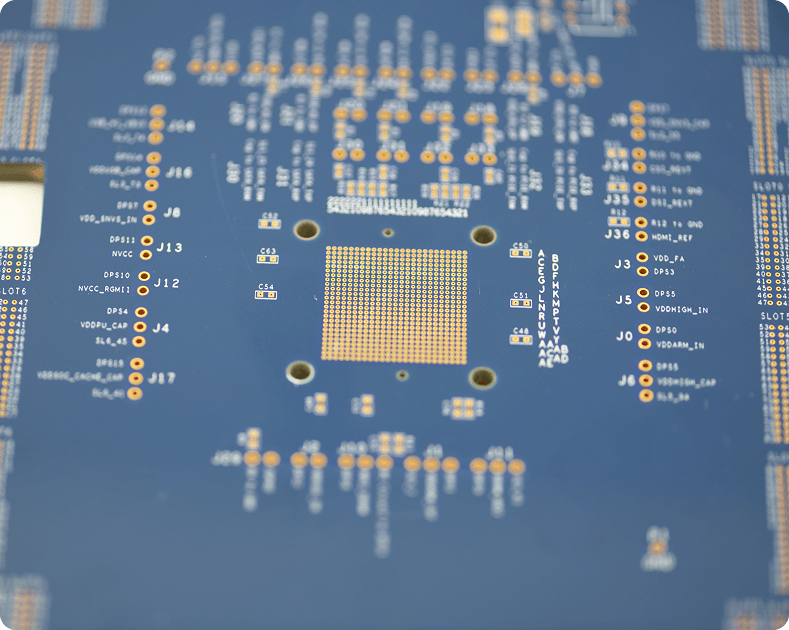
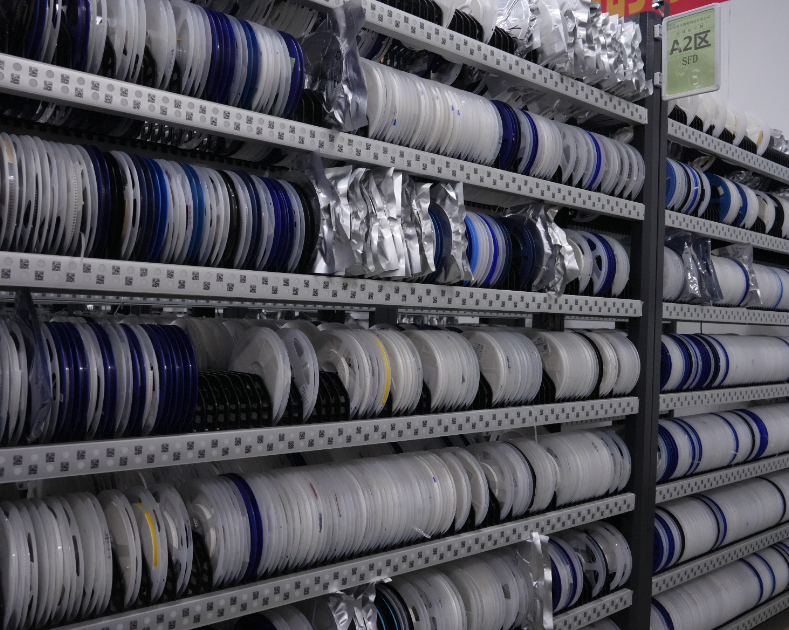
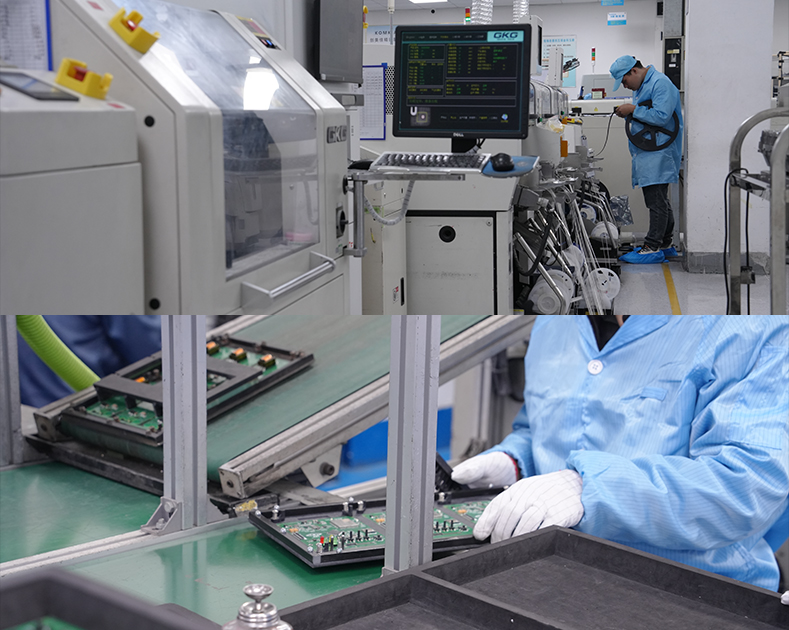
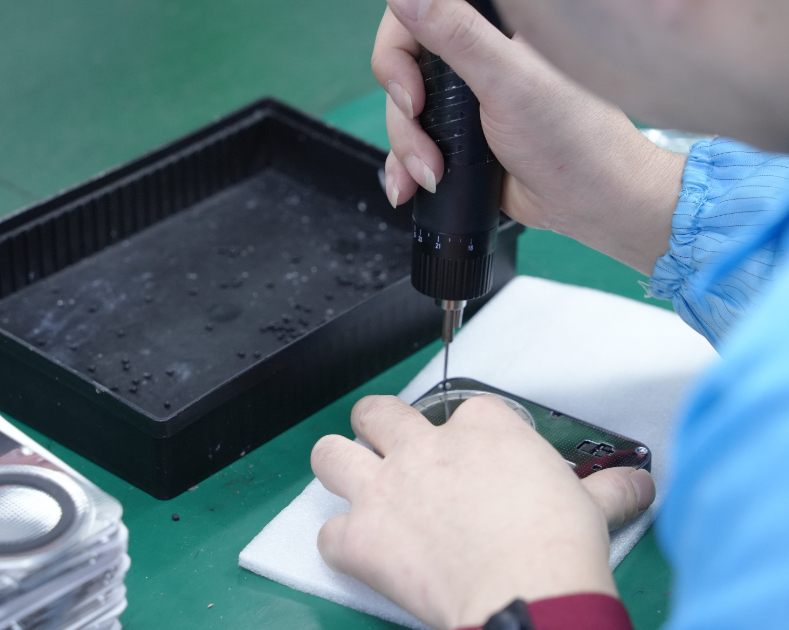
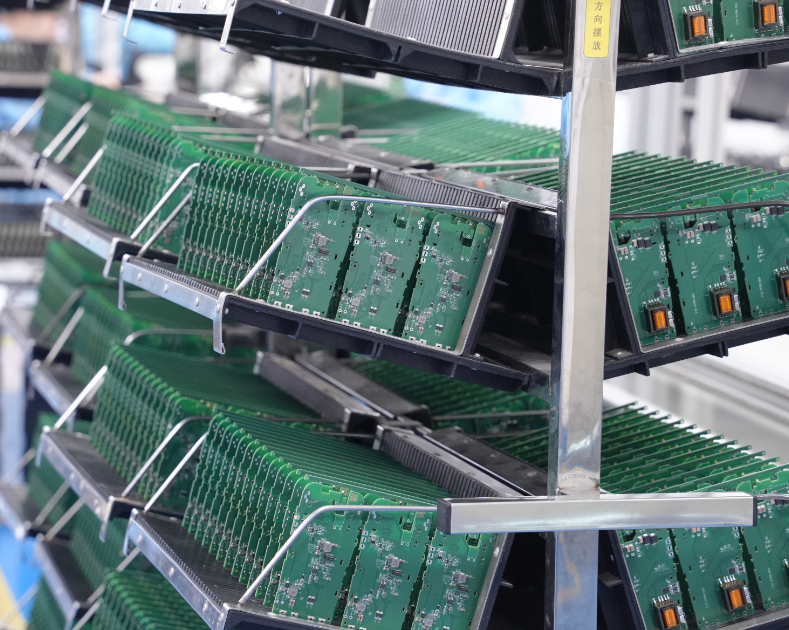
Our state-of-the-art production lines ensure consistent quality for complex and high-density PCBA assemblies, adhering to IPC-A-610 Class 2/3 standards.
Oct. 22, 2026
What Should You Do When a BOM Component Is Obsolete?
A one stop PCB assembly partner can manage sourcing, PCB fabrication, component placement, soldering, inspection, testing, and shipping in one controlled workflow. This model helps product teams avoid delays caused by separate suppliers and unclear responsibility. It is useful for one stop PCB assembly services, turnkey PCB assembly for small batches, and PCB assembly with obsolete component
Read More
Oct. 21, 2026
How to Find Alternatives for EOL Electronic Components
Finding a reliable replacement for an end of life electronic component is more than locating a part with a similar description. Purchasing teams must confirm technical compatibility, supply continuity, pricing, quality, documentation, and production risk before approving an alternative. This guide explains how to identify, compare, test, and qualify replacement components, with practical steps
Read More
Oct. 20, 2026
PCB Prototype Testing Checklist Before Starting Volume Production
Summary: A reliable one stop pcb assembly partner can help coordinate fabrication, component sourcing, assembly, inspection, and testing, but the manufacturer should not be expected to discover every design or process weakness after production begins. This checklist explains how to validate a PCB prototype, document measurable acceptance criteria, confirm supplier capability, complete reliability
Read More
Oct. 20, 2026
How to Build a PCBA Test Plan Before Mass Production
A one stop pcb assembly project needs more than a good board design. Before mass production, the purchasing, engineering, and quality teams need a practical PCBA test plan that defines what will be tested, how it will be tested, which equipment is required, and how results will be approved. This guide explains how to create that plan step by step, control testing costs, reduce production risk,
Read More
Oct. 19, 2026
What Causes PCB Warpage During Reflow Soldering?
PCB warpage during reflow soldering occurs when a printed circuit board bends, twists, or sags because of uneven thermal expansion, material properties, copper distribution, moisture, or manufacturing stress.
Read More
Oct. 19, 2026
How Should Components Be Arranged for Double-Sided SMT Assembly?
Double-sided SMT assembly requires careful component placement, PCB support planning, and thermal management to ensure that components on both sides of a printed circuit board (PCB) remain correctly positioned through two soldering stages.
Read More
Oct. 19, 2026
What Component Sizes Can an SMT Production Line Handle?
A modern SMT production line can handle components ranging from miniature 01005 chip passives to fine-pitch ICs, BGAs, QFNs, connectors, and other larger or irregularly shaped parts.
Read More
Oct. 19, 2026
When Is AOI Inspection Not Enough for PCB Assembly?
Automated Optical Inspection (AOI) is essential for identifying visible assembly defects, but it is not sufficient when a PCB contains hidden solder joints, internal structural defects, electrical faults, or functional problems that only appear under operating conditions.
Read More
Oct. 19, 2026
SMT vs Through-Hole Assembly: How to Choose for Your PCB Design
Choosing between SMT vs through-hole assembly for high-reliability PCB is rarely a simple cost decision. Engineers comparing the best PCB assembly method for mixed-technology boards must balance board area, mechanical stress, thermal performance, production volume, and repairability. Surface-mount technology uses reflow soldering and automated pick-and-place equipment, while plated through-hole
Read More
Oct. 13, 2026
7 Common Problems When Scaling PCBA From 10 Units to 10,000 Units
Scaling PCBA from 10 to 10,000 units is not simply a larger purchase order. The transition from a PCB assembly prototype to mass production changes how you manage the BOM, DFM, SMT yield, testing, suppliers, and production documentation. Teams searching for low-volume to high-volume PCB assembly often face the same risks: parts become unavailable, a prototype design fails automated assembly, and
Read More
Find Partners, Not Just Suppliers
Expert OEM & PCBA manufacturing tailored to your exact specifications. Contact us today to discuss your project and discover a more collaborative way to manufacture.
Get a Fast Quote & Free DFM Review
Related PCB Assembly Service