Phone: +86-137 5102 2384
Phone: +86-137 5102 2384
Blog/Insights
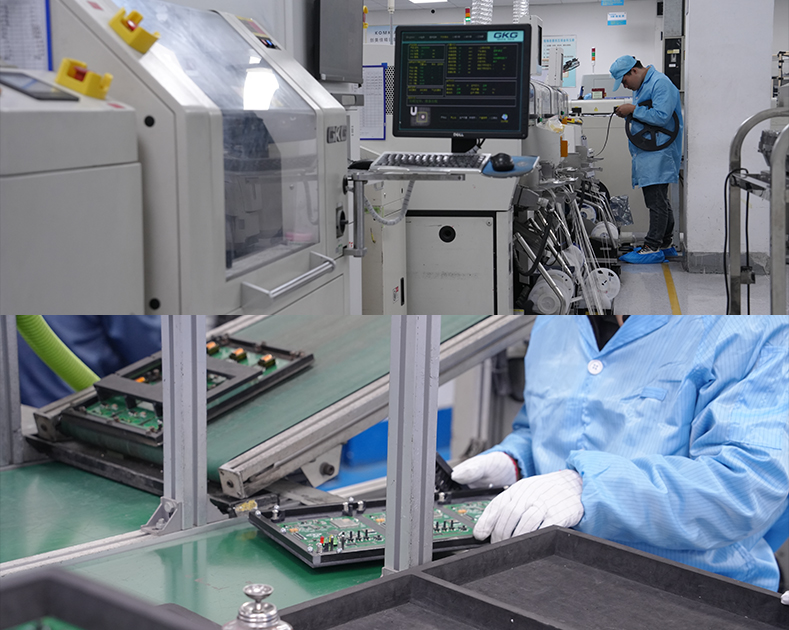
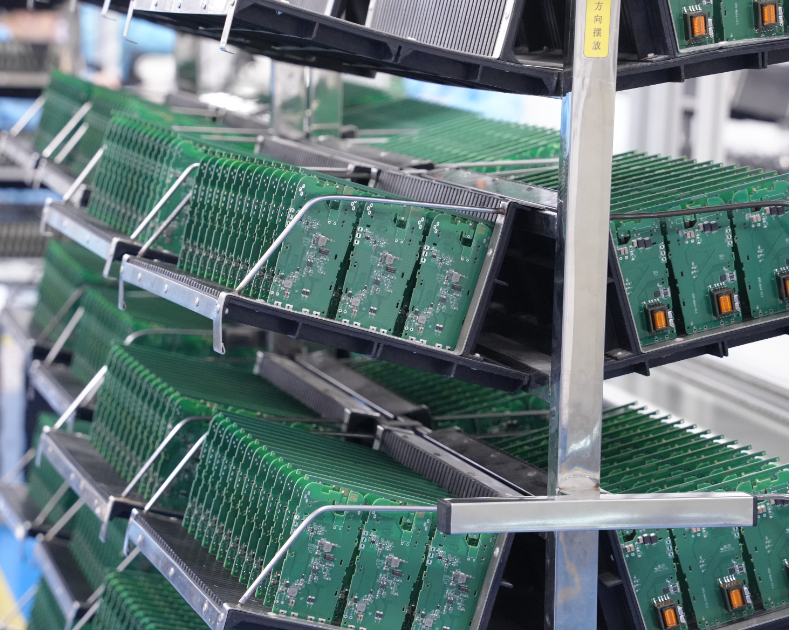
Our state-of-the-art production lines ensure consistent quality for complex and high-density PCBA assemblies, adhering to IPC-A-610 Class 2/3 standards.
Jun. 29, 2026
Automotive Electronics PCB Assembly Requirements Explained
This guide provides a rigorous, requirements-driven framework for automotive electronics PCB assembly. We examine the complete stack of standards—from quality management systems and functional safety to component qualification and material science—along with the manufacturing processes and supply chain controls necessary to build truly automotive-grade electronics.
Read More
Jun. 26, 2026
This article examines what makes medical PCB assembly distinct, the regulatory and technical requirements that define the field, and how OEMs should select and collaborate with assembly partners capable of meeting life-critical standards.
Read More
Jun. 25, 2026
Many OEMs still approach industrial PCB assembly as a commoditized procurement task—sourcing bare boards from one vendor, components from another, and assembly from a third. In 2026, with component lead times stretching to 40 weeks for logic devices and memory, and with industrial-grade component allocation tightening due to AI infrastructure demand, this fragmented approach has become not just inefficient but dangerous. One-stop PCB assembly—where a single contract manufacturer (CM) manages fabrication, procurement, assembly, testing, and logistics—offers a structurally superior alternative for industrial automation OEMs. But its value is not universal. It is maximized when the provider understands the unique demands of industrial environments and when the OEM's product complexity, volume, and reliability requirements align with the model.
Read More
Jun. 24, 2026
The electronics industry has entered a new phase of supply chain stress. Unlike the pandemic-era shortages of 2020–2022—which were broad, cyclical, and eventually resolved as factories reopened—the crisis facing PCB assembly operations in 2026 is structural, not cyclical. It is driven by a fundamental reallocation of global semiconductor manufacturing capacity toward artificial intelligence infrastructure, compounded by geopolitical realignment, raw material inflation, and persistent lead-time volatility. For PCB assembly houses and the OEMs they serve, this means the old playbook no longer applies. Waiting for the market to "return to normal" is not a strategy. This article examines how the 2026 component shortage specifically impacts PCB assembly operations, which component categories are most constrained, and what actionable steps companies must take to survive—and thrive—in this environment.
Read More
Jun. 23, 2026
PCB Assembly Cost Optimization Strategies for OEM Manufacturers
In 2026, PCB assembly cost management has evolved from a routine procurement exercise into a strategic engineering discipline. With semiconductor lead times extending to 40 weeks for critical categories, spot-market premiums surging three to ten times above contracted pricing, and tariff uncertainties reshaping global sourcing economics, OEMs can no longer rely on simple unit-price negotiations or annual supplier reviews to control costs. The organizations that thrive are those that treat cost optimization as a cross-functional initiative—one that begins at the schematic capture stage and continues through every production cycle. This article outlines ten proven, data-driven strategies that OEM manufacturers can implement immediately to reduce PCB assembly costs without compromising quality, compliance, or time-to-market. These strategies are drawn from industry benchmarks, factory-floor best practices, and the operational experience of leading electronics manufacturers navigating the
Read More
Jun. 22, 2026
Why Turnkey PCB Assembly Saves Time and Money
Electronics manufacturing is fundamentally a race against time and margin erosion. A 2025 IPC industry analysis found that companies managing PCB assembly through fragmented, multi-vendor workflows spend an average of 23% more on total project costs than those using integrated turnkey solutions—despite often believing they are saving money by sourcing components independently. The disconnect is not surprising. Turnkey PCB assembly's savings are not always visible on the initial quote. They materialize in eliminated hidden costs: fewer purchase orders, zero component attrition disputes, compressed NPI timelines, and the elimination of cross-vendor blame cycles. This article examines the mechanics of how turnkey assembly reduces both direct spend and operational overhead—and when it is the right strategic choice.
Read More
Jun. 19, 2026
Cost Breakdown of PCB Assembly Services Explained
The global PCB assembly market reached an estimated $103.6 billion in 2025, yet pricing remains one of the least transparent aspects of electronics manufacturing. A prototype board can cost $500 per unit while the same design at volume drops to $12. A single layer added to a multilayer stack-up can raise fabrication costs by 25–50%. And for every dollar saved on component unit price, poor sourcing strategy can waste three dollars in delays and rework. This guide breaks down exactly where your money goes in a PCB assembly project—from bare board fabrication to hidden operational costs—and provides actionable strategies to optimize spending without sacrificing quality.
Read More
Jun. 18, 2026
How to Reduce Lead Time in PCB Assembly Projects
In the electronics manufacturing landscape, lead time is no longer just an operational metric—it is a competitive weapon. A 2024 IPC industry report reveals that companies reducing PCB assembly lead times by 30% or more achieve 18% higher gross margins on average. Yet, many organizations still treat lead time reduction as a reactive firefighting exercise rather than a systematic, design-driven strategy. This article presents a four-pillar framework—Design for Speed, Supply Chain Agility, Smart Manufacturing, and Continuous Optimization—that has been proven to cut PCB assembly lead times by 25–40% without compromising quality.
Read More
Jun. 17, 2026
Why One-Stop PCB Assembly Is Better for Supply Chain Stability
In the rapidly evolving landscape of electronics manufacturing, establishing a stable, resilient supply chain is one of the greatest challenges a business can face. For hardware startups and established OEMs alike, managing the production of a printed circuit board assembly (PCBA) through traditional, fragmented channels often leads to severe project bottlenecks, quality inconsistencies, and runaway operational costs. By transitioning to a one-stop turnkey PCB assembly model, companies can eliminate these logistical headaches, drastically improve time-to-market, and secure long-term supply chain stability.
Read More
Jun. 16, 2026
How BOM Management Impacts PCB Assembly Cost and Quality
In the fast-paced world of electronics manufacturing, managing your Bill of Materials (BOM) is not just an administrative task—it is a critical driver of both production cost and product quality. For hardware start-ups, enterprise procurement managers, and overseas distributors alike, effective BOM management streamlines assembly, eliminates manufacturing waste, and prevents costly delays. This article outlines how optimizing your BOM management safeguards your budget and product integrity, providing a step-by-step roadmap to procurement efficiency.
Read More
Find Partners, Not Just Suppliers
Expert OEM & PCBA manufacturing tailored to your exact specifications. Contact us today to discuss your project and discover a more collaborative way to manufacture.
Get a Fast Quote & Free DFM Review
Related PCB Assembly Service