Phone: +86-137 5102 2384
Phone: +86-137 5102 2384
Blog/Insights
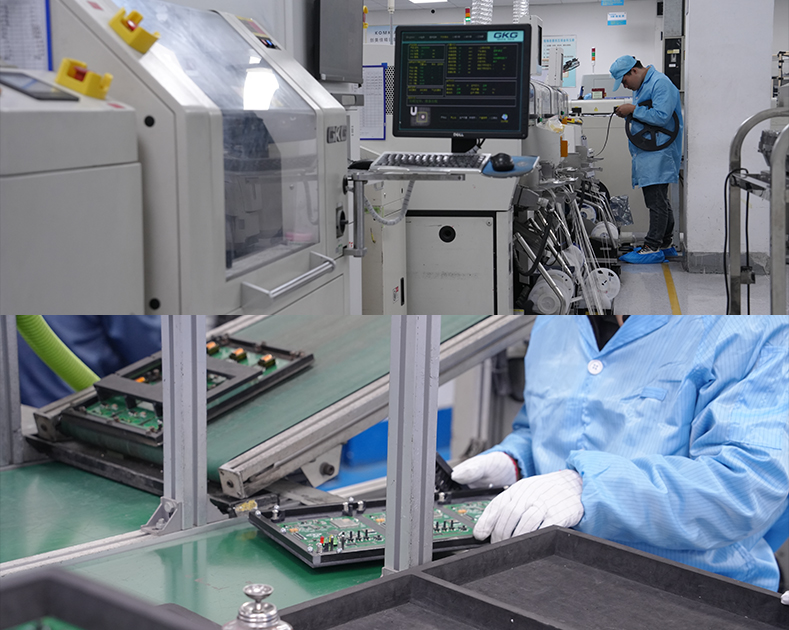
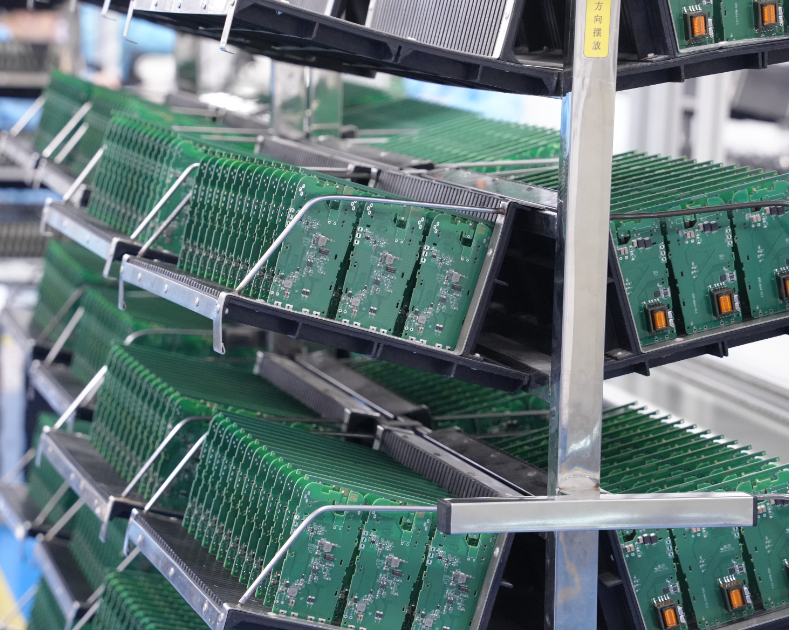
Our state-of-the-art production lines ensure consistent quality for complex and high-density PCBA assemblies, adhering to IPC-A-610 Class 2/3 standards.
Sep. 18, 2026
Why X-Ray Inspection Is Important for BGA PCB Assembly
A hidden solder defect beneath a Ball Grid Array (BGA) package can disable an otherwise perfect PCB without leaving any visible evidence. During production, a BGA may contain hundreds or thousands of solder joints hidden between the package and the board. Conventional Automated Optical Inspection (AOI) cannot directly see these joints, while electrical testing may identify a failure without
Read More
Sep. 17, 2026
How Fine-Pitch Components Affect PCB Assembly Design and Cost
Fine-pitch components can reduce PCB size, but they also increase layout, inspection, stencil, reflow, and repair requirements. In practical fine pitch PCB assembly design, a 0.4 mm-pitch BGA may require tighter fine pitch component placement, more accurate SMT equipment, and additional solder paste inspection. The result is often a higher fine pitch SMT assembly cost, especially when pad-to-pad
Read More
Sep. 16, 2026
What Tests Should Be Performed Before a PCBA Is Shipped?
A one stop PCB assembly service combines component sourcing, PCB fabrication, SMT assembly, through-hole assembly, inspection, testing, and delivery under one process. This model helps product teams reduce supplier coordination and improve production control. It is useful for companies searching for a one stop PCB assembly service, turnkey PCB assembly and testing, or reliable PCB assembly
Read More
Sep. 15, 2026
Component Sourcing for PCB Assembly: How to Avoid BOM Shortages, Counterfeits & Cost Overruns
The safest way to source components for PCB assembly is to demand 100% genuine, fully traceable parts from authorized channels and to build a documented shortage plan before the BOM is locked.
Read More
Sep. 15, 2026
From PCB Prototype to Mass Production: How to Scale Your PCBA Without Losing Quality
Scaling a PCBA from prototype to mass production without quality loss comes down to one rule: keep the same process, the same line set, and the same test regime at every volume.
Read More
Sep. 15, 2026
Why Shenzhen Is the Best Choice for OEM PCBA Manufacturing
For companies sourcing OEM/ODM PCBA services, the choice of location isn't just a geographic detail. It directly affects lead times, component availability, engineering support, quality consistency, and ultimately, the total cost of getting a product to market. This article breaks down exactly why Shenzhen continues to be the top choice for PCBA manufacturing — and what buyers should look for when evaluating a partner here.
Read More
Sep. 14, 2026
Common PCB Assembly Failures: How to Find the Root Cause
PCB assembly failures can cause field returns, delayed shipments, and costly rework. A reliable root cause analysis process connects PCB inspection, solder joint defects, and SMT assembly data to the actual process step. The goal is not only to repair one failed board, but also to stop the same failure from returning. This guide explains the most common defects, the evidence to collect, and the
Read More
Sep. 07, 2026
China PCB Assembly vs Local EMS: What Should OEM Buyers Compare?
For OEM buyers planning one stop pcb assembly, the choice between a China PCB assembly partner and a local EMS provider is not simply a comparison of unit prices. The right decision depends on total landed cost, engineering support, quality consistency, production flexibility, compliance, communication, and the risk profile of the product.
Read More
Sep. 11, 2026
Smart Meter PCBA: Key Design Considerations for Reliable Metering Solutions
In this article, we take a closer look at what makes smart meter PCBA unique, the key design and manufacturing considerations involved, and why choosing the right manufacturing partner matters more than ever.
Read More
Sep. 11, 2026
Why Component Traceability Matters in Medical and Automotive PCBA
Component traceability in PCBA becomes critical when a medical device fails in the field or an automotive control unit triggers a warranty investigation. Manufacturers need to identify the affected PCB assembly traceability records, verify electronic component genealogy, and prove medical and automotive electronics compliance without searching through disconnected spreadsheets. A structured
Read More
Find Partners, Not Just Suppliers
Expert OEM & PCBA manufacturing tailored to your exact specifications. Contact us today to discuss your project and discover a more collaborative way to manufacture.
Get a Fast Quote & Free DFM Review
Related PCB Assembly Service