Phone: +86-137 5102 2384
Phone: +86-137 5102 2384
Blog/Insights
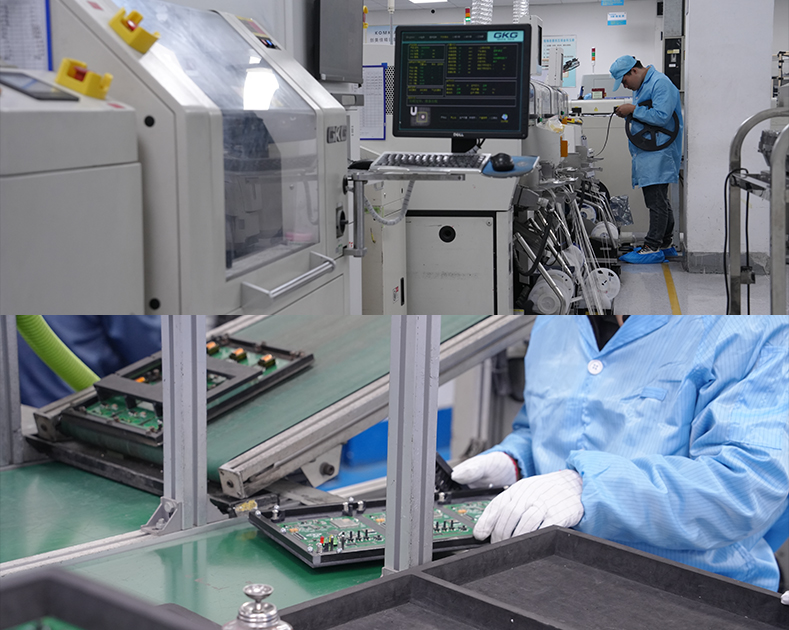
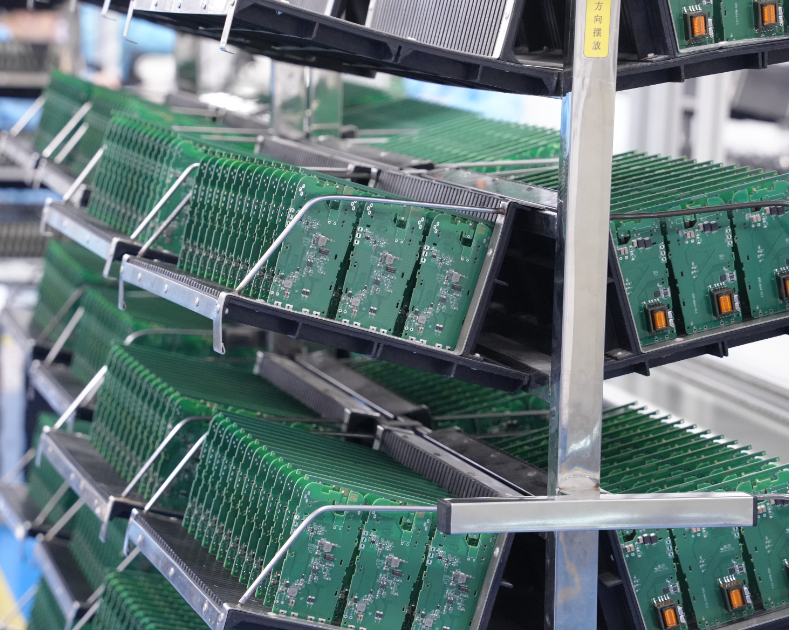
Our state-of-the-art production lines ensure consistent quality for complex and high-density PCBA assemblies, adhering to IPC-A-610 Class 2/3 standards.
Aug. 18, 2026
10 Questions to Ask Before Choosing a PCBA Supplier
Choosing a one stop PCB assembly and PCBA supplier can affect your product quality, cost, and delivery time. Many buyers compare only the quoted price and miss important details about production control. A reliable supplier should manage PCB fabrication, SMT assembly, component sourcing, and final testing in one clear process. You also need to check the supplier's quality system, engineering
Read More
Aug. 17, 2026
What Should Engineers Consider When Designing PCBs With 01005 Components?
01005 components are ultra-small passive electronic parts measuring approximately 0.4 mm × 0.2 mm in the metric 01005 package designation, also known as 0402 in imperial notation. When engineers use them in PCB design, they can reduce board size, shorten electrical paths, and increase circuit density. However, What Should Engineers Consider When Designing PCBs With 01005 Components? The answer
Read More
Aug. 14, 2026
Prototype PCB Works, but Will It Survive Mass Production?
One stop PCB assembly can help move a working prototype into stable mass production, but a successful prototype does not always prove production readiness. A prototype may use hand soldering, special parts, or manual inspection. Design for manufacturing becomes more important when hundreds or thousands of boards must be built. A prototype PCB assembly run may produce only 5 to 20 boards, while
Read More
Aug. 13, 2026
What Is BOM Risk Analysis in Electronics Manufacturing?
Meta description: Learn how a one stop PCB assembly service manages BOM risk analysis, sourcing, PCB fabrication, SMT, testing, and delivery from one manufacturing partner.
Read More
Aug. 12, 2026
How to Evaluate a PCB Assembly Factory Before Placing an Order
To learn how to evaluate a PCB assembly factory before placing an order, use a documented PCB assembly supplier audit checklist and compare each low-volume PCB assembly manufacturer against measurable criteria. Review the factory’s contract electronics manufacturing process, turnkey PCB assembly capability, and electronics manufacturing services controls, including IPC-A-610 workmanship, AOI
Read More
Aug. 12, 2026
How to Choose a PCB Assembly Manufacturer for Your Electronics Project
Choosing the right PCB assembly manufacturer affects product quality, development speed, compliance, cost, and long term supply stability. A reliable partner should do more than place components on a board. The manufacturer should understand your design, identify production risks, control quality, manage materials, and deliver consistent assemblies on schedule.
Read More
Aug. 12, 2026
How to Reduce Engineering Changes After PCB Production Starts
To reduce engineering changes after PCB production starts, freeze the PCB design only after a documented DFM review, BOM verification, prototype test, and manufacturing sign-off. This approach helps prevent PCB assembly revisions, avoid late-stage ECO costs, and establish a reliable process to freeze PCB design before manufacturing. Review impedance control, solder paste aperture design,
Read More
Jul. 30, 2026
Future Trends in PCB Assembly Manufacturing Industry
The global electronics manufacturing ecosystem rests on a single foundational technology: the printed circuit board (PCB). With over 95% of electronic devices containing at least one PCB, the assembly manufacturing sector serves as the critical bridge between semiconductor innovation and end-product realization. Yet the industry faces a perfect storm of challenges—escalating production complexity, a structural shortage of skilled labor, volatile raw material costs, and mounting pressure to compress time-to-market cycles.
Read More
Jul. 29, 2026
Why More Companies Are Choosing One-Stop PCB Assembly Services
The electronics industry is moving faster than ever. Product lifecycles are shrinking. Design complexity is increasing. And supply chains remain volatile. For companies building hardware, these pressures create a fundamental operational challenge: how to move from prototype to production quickly without sacrificing quality or ballooning costs.
Read More
Jul. 28, 2026
Key Considerations Before Mass Production of PCB Assembly
Mass production readiness is not an extension of prototyping. It is a separate engineering discipline that validates the manufacturability, supply chain resilience, process capability, and economic viability of a design at scale. The decisions made in the weeks before production launch determine whether the factory delivers consistent quality and on-time performance—or descends into rework queues, component shortages, and yield collapse. This article examines the six interconnected domains that must be validated before a PCB assembly enters mass production.
Read More
Find Partners, Not Just Suppliers
Expert OEM & PCBA manufacturing tailored to your exact specifications. Contact us today to discuss your project and discover a more collaborative way to manufacture.
Get a Fast Quote & Free DFM Review
Related PCB Assembly Service