Phone: +86-137 5102 2384
Phone: +86-137 5102 2384
Jun. 17, 2026
Share:
In the rapidly evolving landscape of electronics manufacturing, establishing a stable, resilient supply chain is one of the greatest challenges a business can face. For hardware startups and established OEMs alike, managing the production of a printed circuit board assembly (PCBA) through traditional, fragmented channels often leads to severe project bottlenecks, quality inconsistencies, and runaway operational costs.
Consider a typical scenario: a tech company trying to launch a new IoT device. Under a traditional manufacturing model, they must coordinate with a PCB fabricator, multiple component distributors, a stencil maker, and an assembly house. Miscommunications, shipping delays, and finger-pointing between vendors are almost inevitable.
By transitioning to a one-stop turnkey PCB assembly model, companies can eliminate these logistical headaches, drastically improve time-to-market, and secure long-term supply chain stability.
Consolidating your entire manufacturing lifecycle under a single, integrated partner offers massive operational advantages:
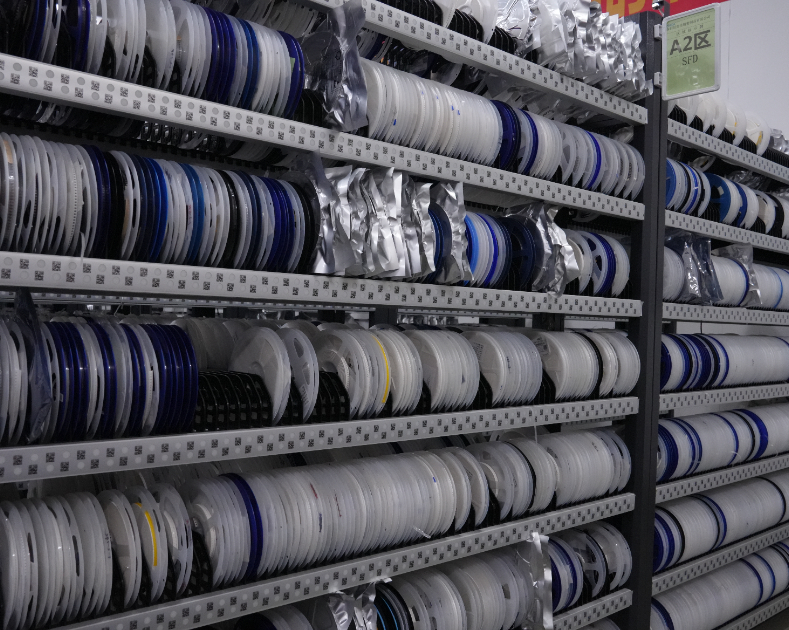
Fragmented supply chains suffer from "hidden" costs—multiple shipping fees, customs tariffs, handling overhead, and administrative labor. By consolidating component procurement, fabrication, and assembly, businesses can eliminate these redundancies.
Industry Data: According to reports by the IPC (Association Connecting Electronics Industries), companies that transition to integrated turnkey suppliers see their overall operational costs decrease by up to 30%.
In a multi-vendor setup, components must be shipped to different facilities, introducing massive waiting periods. A one-stop service streamwrites the entire timeline. For instance, Benewave offers integrated rapid prototyping services that deliver completed assemblies in as little as 7 days, compared to the traditional industry average of 3 to 6 weeks.
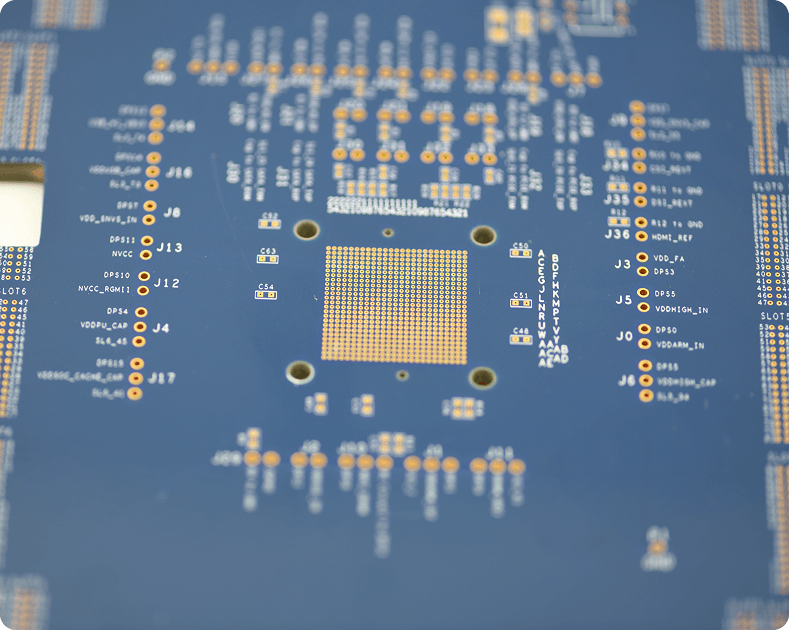
When fabrication and assembly are handled under one roof, quality standards are unified. Rigorous design-for-manufacturability (DFM) reviews happen before a single board is printed, which prevents assembly-stage defects. This integrated approach typically leads to a 25% reduction in defect rates and ensures a much higher First-Pass Yield (FPY)—meaning more boards are built perfectly on the first run without needing expensive rework.
The fundamental difference between the two models lies in complexity. A simplified view of the supply chain workflows illustrates how easily errors can occur in a traditional setup:
[Component Broker]─>[PCB Fabricator]─>[Assembly House]─>[Testing Facility]
└────────── (High Risk ofMiscommunication) ──────────┘
[Design Team] ────> [ Integrated Partner (Benewave) ] ────> [Finished Product] • Components Sourced & Verified • PCB Fabricated & Assembled • Testing & Quality Assurance
To understand how a turnkey partner actively stabilizes your operations, consider this head-to-head comparison:
| Feature / Metric | Traditional Multi-Vendor Sourcing | One-Stop Turnkey Assembly (Benewave) |
| Vendor Management | 3 to 5+ distinct vendors to manage, track, and pay. | Single point of contact for the entire project. |
| Average Lead Time | 3 to 6 weeks (due to shipping & alignment gaps). | 1 to 2 weeks (rapid prototyping in 7 days). |
| Defect Accountability | High risk of vendors blaming each other for errors. | 100% single-source accountability for quality. |
| Supply Chain Agility | Slow response to design changes (rigid ECO cycles). | Highly adaptable (>85% responsiveness to market shifts). |
| Logistics Overhead | Multi-channel shipping, customs, and handling fees. | Consolidated, zero-friction logistics. |
The theoretical benefits of one-stop PCBA translate directly into measurable business growth. In a recent manufacturing case study, an enterprise medical tech firm integrated their supply chain with a single turnkey partner.
By eliminating vendor-to-vendor shipping bottlenecks and utilizing proactive BOM scrubbing, the company saw their First-Pass Yield (FPY) increase by 37%. More importantly, their time-to-market was slashed from an average of 12 weeks to just 6 weeks, allowing them to secure a vital competitive advantage and launch ahead of schedule.
In modern hardware manufacturing, speed and reliability are non-negotiable. The shift toward one-stop PCB assembly does more than just simplify production; it actively insulates your business from market volatility, reduces overhead, and guarantees consistent quality.
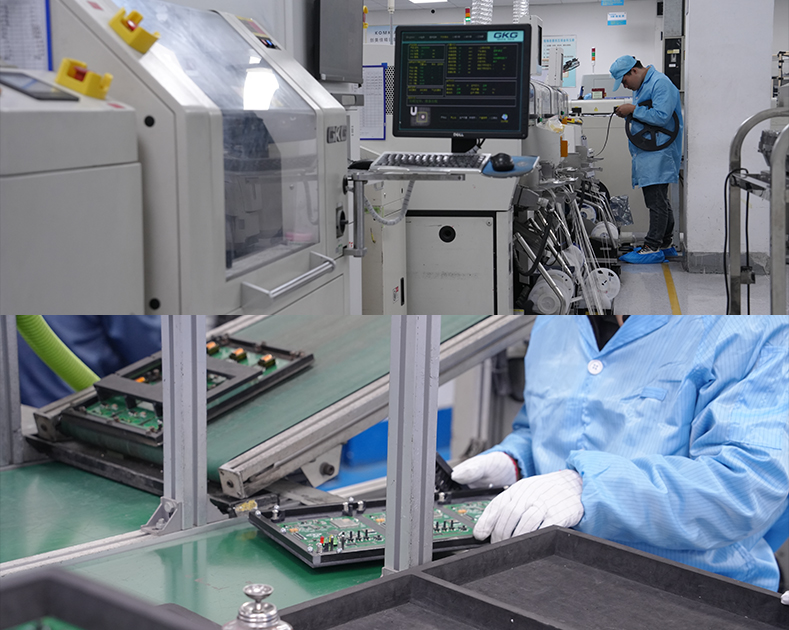
As an industry-leading, one-stop turnkey PCBA manufacturer, Benewave is engineered to bring stability back to your supply chain. We handle everything—from rigorous design checks and global component sourcing to precise SMT assembly and advanced testing—delivering end-to-end excellence under one roof.
Ready to simplify your path to market? Contact Benewave today to consult with our engineering team and revolutionize your hardware supply chain.
One-stop PCB assembly (also known as turnkey PCBA) is an end-to-end manufacturing service. It combines bare PCB fabrication, component sourcing, SMT/THT assembly, testing, and final logistics under a single partner.
It centralizes your operations. Instead of managing multiple lead times, shipping schedules, and customs filings across several vendors, a turnkey partner manages the entire pipeline. This eliminates logistical friction, reduces communication gaps, and ensures unified quality control.
Yes. Turnkey manufacturers like Benewave have established, high-volume relationships with global component distributors. This allows us to secure lower component pricing and lower shipping costs than an individual business could obtain on their own, making it highly cost-effective for both prototypes and production runs.
Find Partners, Not Just Suppliers
Expert OEM & PCBA manufacturing tailored to your exact specifications. Contact us today to discuss your project and discover a more collaborative way to manufacture.
Get a Fast Quote & Free DFM Review
Related PCB Assembly Service