Phone: +86-137 5102 2384
Phone: +86-137 5102 2384
Jul. 29, 2026
Share:
The electronics industry is moving faster than ever. Product lifecycles are shrinking. Design complexity is increasing. And supply chains remain volatile. For companies building hardware, these pressures create a fundamental operational challenge: how to move from prototype to production quickly without sacrificing quality or ballooning costs.
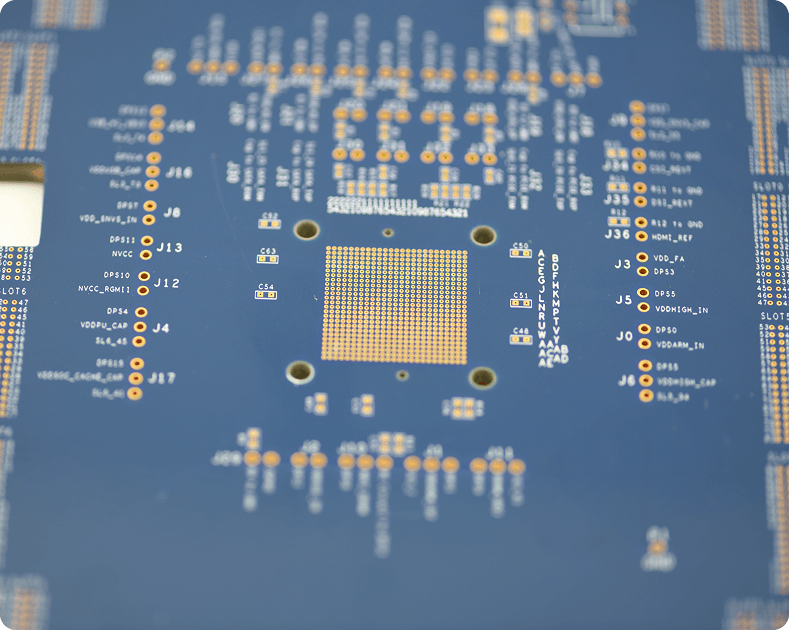
Traditionally, PCB assembly has required managing a fragmented network of suppliers—one for component sourcing, another for fabrication, a third for assembly, and yet another for testing and logistics. Each handoff introduces risk. A delay in component delivery stalls fabrication. A miscommunication between the PCB house and the assembler results in rework. Quality standards vary across vendors, making consistent output difficult to guarantee.
This fragmentation is no longer sustainable in an era where precision requirements routinely reach 0.01mm and compliance with standards like IPC-A-610, ASTM, and DIN is non-negotiable.
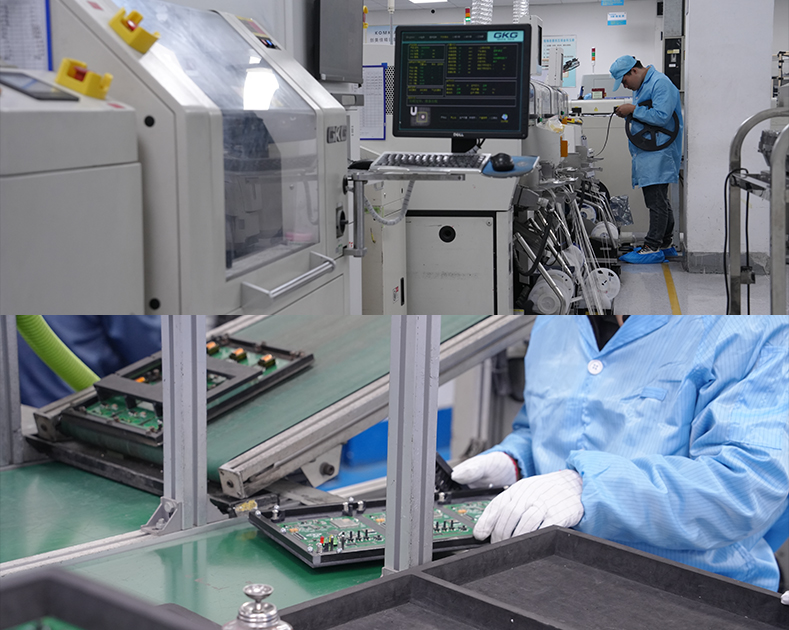
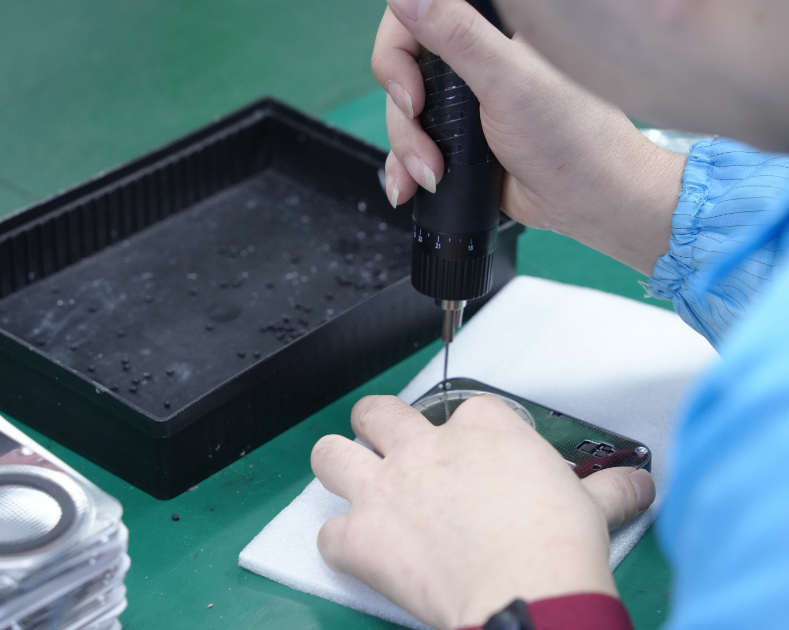
One-stop PCB assembly services consolidate the entire production workflow under a single partner. This typically spans PCB fabrication, component procurement, SMT/THT assembly, functional testing, quality inspection, and final logistics. Instead of coordinating multiple vendors, engineering and procurement teams work with one point of contact.
The operational benefits are measurable. Companies that transition to integrated assembly models report significant reductions in lead times—often 25% to 40%—by eliminating inter-vendor delays and streamlining communication. Defect rates tend to fall as well, since accountability rests with a single provider rather than being diffused across a supply chain.
For startups and SMEs, this levels the playing field. They gain access to production capabilities and supply chain leverage that would otherwise require massive internal investment.
Recent industry analyses highlight a clear trend: organizations adopting one-stop assembly services accelerate their product development cycles. One European IoT startup, previously hampered by a multi-vendor model, switched to an integrated service provider. The result was a 30% reduction in prototype-to-production time and a marked improvement in first-pass yield.
Beyond speed, there is a risk-mitigation advantage. When a single partner manages the full stack, root-cause analysis becomes faster. If a defect emerges, there is no ambiguity about which vendor is responsible. This accelerates corrective action and reduces the likelihood of costly recalls or compliance failures.
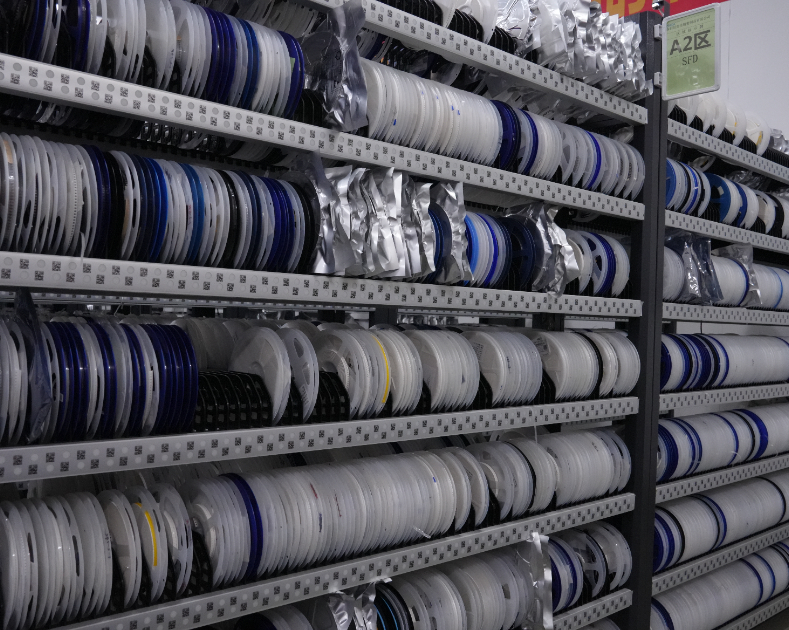
Several macro trends are accelerating this shift. Global component shortages have made procurement expertise more valuable than ever. A one-stop provider with established supplier relationships and inventory buffers can secure critical parts that smaller teams cannot. Additionally, as electronics manufacturing regionalizes—driven by tariffs, logistics costs, and geopolitical considerations—companies need partners with localized, end-to-end capabilities rather than dispersed, single-function vendors.
Companies that persist with fragmented sourcing face compounding risks. Delayed prototypes push back product launches. Inconsistent quality erodes customer trust. And in competitive markets, the ability to iterate quickly is often the difference between leading and following.
The question is no longer whether integrated PCB assembly is advantageous. It is whether a fragmented approach is still viable.
The transition to one-stop PCB assembly services is a strategic response to the realities of modern hardware development. It reduces operational overhead, tightens quality control, and shortens time-to-market. For companies aiming to compete on speed and reliability, consolidating the supply chain is not just an efficiency play—it is a competitive necessity.
If your organization is evaluating ways to streamline PCB production, now is the time to assess whether an integrated partner model aligns with your product goals. The manufacturing landscape has already shifted. The companies that adapt will be the ones defining what comes next.
Find Partners, Not Just Suppliers
Expert OEM & PCBA manufacturing tailored to your exact specifications. Contact us today to discuss your project and discover a more collaborative way to manufacture.
Get a Fast Quote & Free DFM Review
Related PCB Assembly Service