Phone: +86-137 5102 2384
Phone: +86-137 5102 2384
Oct. 22, 2026
Share:
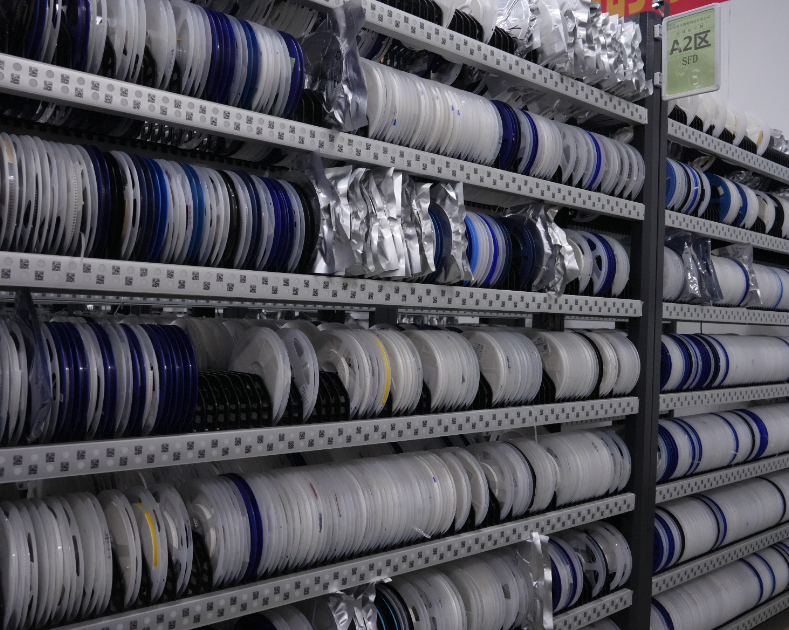
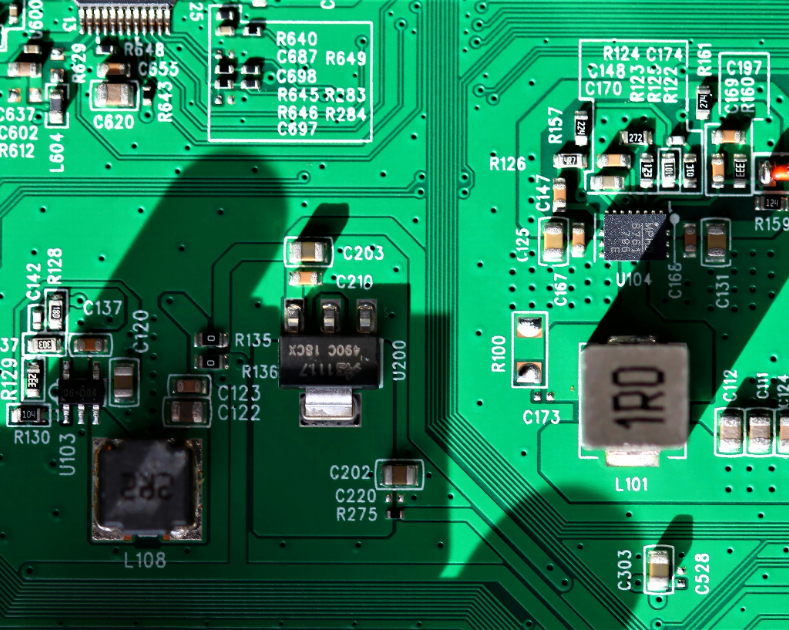
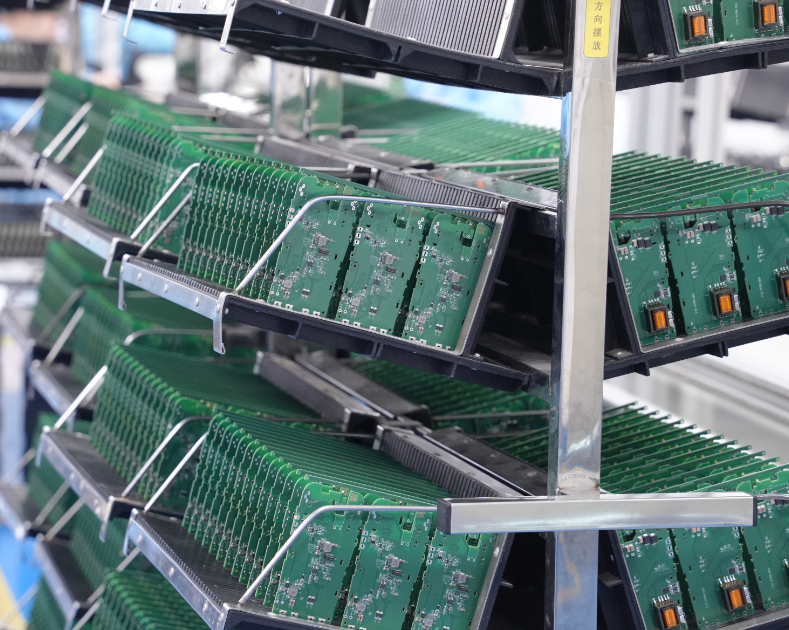
A one stop pcb assembly partner can manage sourcing, PCB fabrication, component placement, soldering, inspection, testing, and shipping in one controlled workflow. This model helps product teams avoid delays caused by separate suppliers and unclear responsibility. It is useful for one stop PCB assembly services, turnkey PCB assembly for small batches, and PCB assembly with obsolete component sourcing. The process is especially valuable when a BOM contains unavailable parts, changing specifications, or components with long lead times.

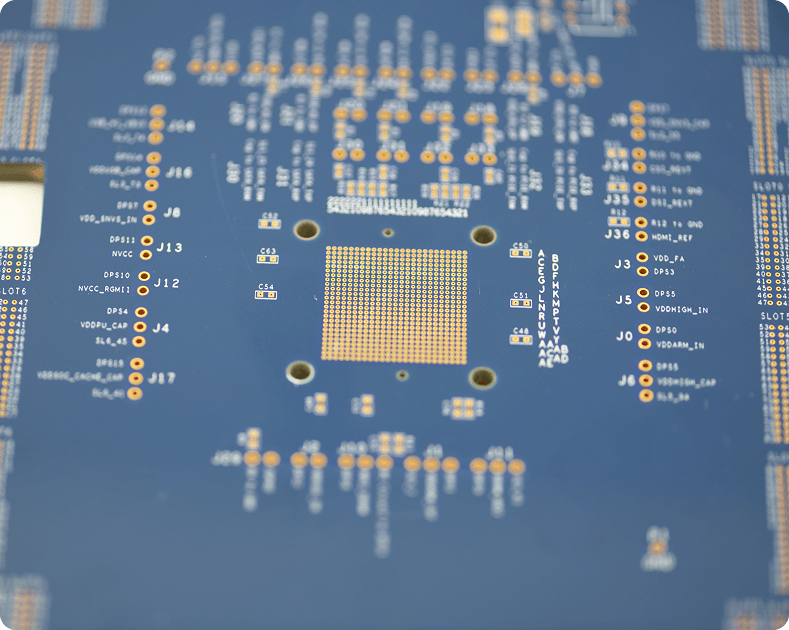
One stop PCB assembly is a complete electronics manufacturing service. Instead of sending the design to one supplier, the bare PCB to another, and components to a third, the customer uses one production partner to coordinate the full process.
A typical one stop PCB assembly project includes:
The term turnkey PCB assembly means that the manufacturer purchases the components and manages production. In a consigned assembly project, the customer supplies some or all of the components.
IPC-A-610 is one of the main industry references for the acceptability of electronic assemblies. It defines visual requirements for solder joints, component placement, cleanliness, and other assembly conditions. IPC-2221 provides general design guidance for printed boards, including spacing, materials, and electrical considerations.
A fragmented supply chain creates more handoff points. Each handoff can cause a data mismatch, purchasing error, or delay. A one stop provider gives the engineering, purchasing, and production teams a shared source of information.
When the PCB, parts, and assembly are managed by one supplier, responsibility is easier to track. If a connector does not fit the footprint or a component is delayed, the customer does not need to decide which supplier should solve the problem.
A professional manufacturer can compare:
This matters because two components can look similar but have different electrical performance. For example, a capacitor with the same capacitance may have a different voltage rating, dielectric material, tolerance, or temperature range.
Component traceability should include the supplier, date code, lot information, and inspection records. For high-risk parts, a manufacturer may use authorized distribution channels, X-ray inspection, electrical testing, or microscope inspection.
The risk is especially serious for:
A controlled process can support prototype, low-volume, and mass production. The production method may remain similar, while the purchasing plan, panelization, test coverage, and delivery schedule change.
An obsolete component can stop production even when the PCB design is complete. The correct response is not to replace the part based only on package size. The replacement must be checked against electrical, mechanical, thermal, regulatory, and software requirements.
Check whether the part is:
Use the original manufacturer’s product page, PCN, EOL notice, or authorized distributor record. A distributor listing alone may not prove that the part is still in active production.
The solution depends on the cause:
Create a replacement checklist. It should include:
| Parameter | Example requirement |
|---|---|
| Function | Step-down voltage regulator |
| Input voltage | 9–36 V DC |
| Output voltage | 5 V |
| Output current | At least 2 A |
| Package | SOIC-8 |
| Switching frequency | Within the original design range |
| Temperature range | -40°C to +125°C |
| Qualification | Industrial or automotive, if required |
| Compliance | RoHS and REACH |
| Lifecycle | Active or stable supply status |
The exact requirements depend on the circuit. A replacement that matches only the package and pin count may still fail during startup, high load, or temperature testing.
A drop-in replacement should have the same:
A pin-compatible part is not always functionally compatible. The manufacturer should compare the original and replacement datasheets line by line.
The new component may require:
A footprint change can affect solder volume and assembly yield. The updated design should pass DFM and DFA checks before production.
Engineers should compare:
For a power component, thermal performance is critical. The estimated junction temperature can be reviewed using the relationship:
Tj = Ta + P × θJA
Where:
If the replacement produces more heat, the PCB may require a larger copper area, thermal vias, or a different heatsink.
Do not approve a replacement only from a datasheet comparison. Build engineering samples and test:
For a regulated product, the validation plan may also include environmental cycling, vibration, humidity, and burn-in.
After approval, update:
The obsolete part should not simply be deleted from the BOM. Its status, replacement decision, and approval record should remain traceable.
A reliable assembly project follows a defined sequence. Each stage prevents a different type of failure.
The usual document package includes:
The BOM should include the reference designator, quantity, description, package, manufacturer, manufacturer part number, and approved alternatives.
The engineering team checks:
IPC-2221 and IPC-7351 are commonly used references for PCB design and land-pattern guidance. The exact limits still depend on the PCB material, factory capability, component package, and product class.
A useful quotation should separate:
It should also identify material risks. A low price with an unconfirmed component supply date may create a longer total project time.
A supplier may classify components by supply risk:
For sensitive components, incoming inspection may include label review, package inspection, date-code review, X-ray, decapsulation, or electrical testing. The inspection method should match the risk and product value.
The board may go through:
Common surface finishes include HASL, lead-free HASL, ENIG, immersion silver, and OSP. ENIG is often selected for fine-pitch components and flat contact surfaces, while the best choice depends on storage time, pad design, cost, and application requirements.
A stencil applies solder paste to the PCB pads. The paste volume affects solder joint quality. Too much paste can create bridging, while too little can cause opens or weak joints.
Solder paste inspection, or SPI, measures paste position and volume before components are placed. This provides an early opportunity to correct printing problems.
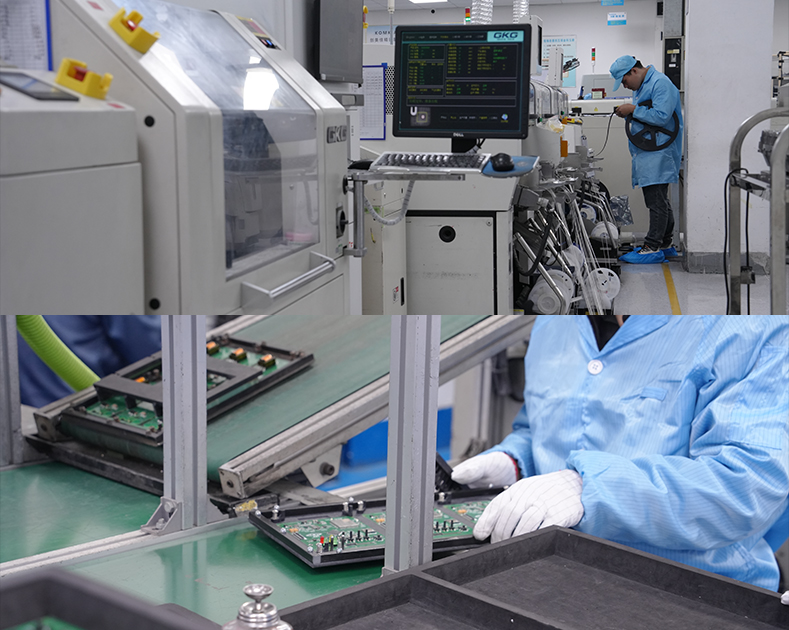
A pick-and-place machine places resistors, capacitors, ICs, connectors, and other surface-mount parts. Feeder setup, component orientation, and placement data must match the approved BOM.
Small packages such as 0201, QFN, BGA, and fine-pitch QFP require tighter control of:
The assembly passes through a controlled heating profile. The profile usually includes:
The exact profile must follow the solder paste and component manufacturer’s recommendations. Excessive heat can damage components, while insufficient heat can create incomplete solder joints.
Through-hole parts may be soldered by:
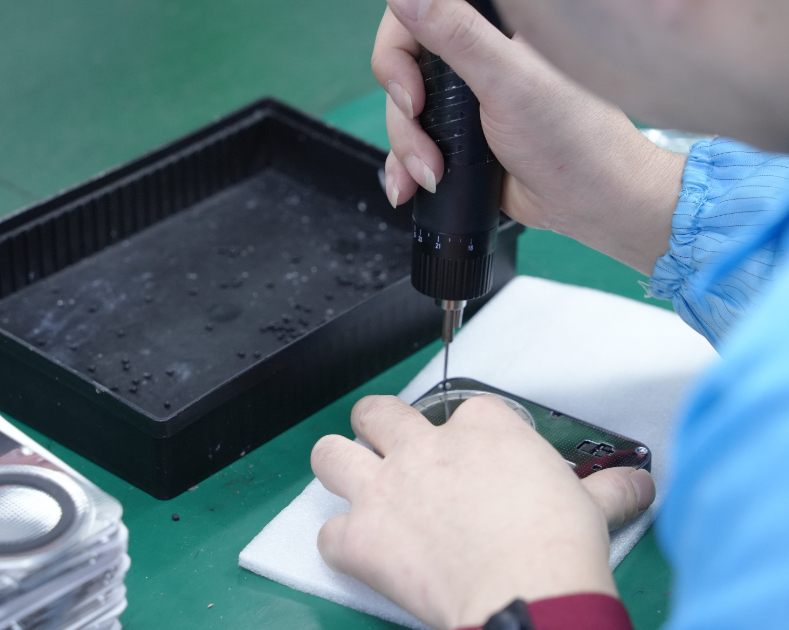
Selective soldering is useful when only certain through-hole joints require automated soldering. Manual soldering may be used for low-volume production or parts that cannot pass through a standard process.
Inspection methods may include:
IPC-A-610 gives acceptance criteria for electronic assemblies. If the product is in an automotive, medical, aerospace, or other regulated field, additional customer or sector-specific standards may apply.
If the board contains firmware, production may include:
The test station should record pass/fail results and link them to the board serial number. This creates production traceability.
Final packaging should protect the board from:
Moisture-sensitive devices may require moisture barrier bags and humidity indicators. The required handling level depends on the component classification and storage conditions.
One stop PCB assembly is used in many product categories.
Industrial control boards often require long service life, stable component supply, and wide temperature performance. Typical products include PLC modules, motor controllers, power supplies, sensors, and factory automation equipment.
Medical products require strong documentation, controlled processes, and traceability. Assembly partners may need to support risk management, verification records, and customer-specific quality systems.
Automotive boards may use high-temperature components and stricter reliability testing. Component lifecycle management is important because vehicles can remain in production for several years.
Consumer products often require compact layouts, fast production changes, and competitive cost. Fine-pitch components and high placement density are common.
Routers, gateways, switches, and wireless devices may include high-speed interfaces, RF circuits, memory, and thermal management requirements. Controlled impedance and signal integrity must be considered during PCB fabrication.
Battery management systems, chargers, inverters, and power converters require careful control of current, voltage, heat, insulation, and creepage distance.
For startups and research teams, turnkey PCB assembly for small batches can reduce the need to manage multiple vendors. A supplier can help prepare prototypes, identify BOM risks, and move the design toward repeatable production.
Price is only one part of the decision. Review the supplier using measurable criteria.
Ask whether the supplier can review:
Review whether the factory has suitable equipment for your product, such as:
Request relevant certificates and quality records. Depending on the product, these may include ISO 9001, ISO 13485, IATF 16949, UL-related requirements, RoHS, REACH, or customer-specific standards.
The European Union RoHS Directive restricts certain hazardous substances in electrical and electronic equipment. A supplier should be able to provide material declarations or compliance documentation when required.
Ask how the supplier handles:
A strong supplier should explain:
A 0603 resistor or SOIC-8 IC can have many different electrical characteristics. Package similarity does not prove compatibility.
Stock can change quickly. Confirm the manufacturer status, lot information, and source before approving production.
A board may pass visual inspection but fail in operation. Test points, programming headers, boundary-scan access, or functional fixtures should be considered during layout.
Missing manufacturer part numbers, unclear descriptions, or mixed metric and imperial package names can cause purchasing errors.
Every approved substitute should be linked to a revision, approval record, and validation result.
A lower assembly price may be offset by component delays, poor traceability, rework, or repeated engineering changes. Compare the total project cost and delivery risk.
The following resources are useful when evaluating a PCB assembly project:
These references do not replace product-specific validation. The final acceptance criteria should be agreed upon between the customer and the manufacturer.
It can include PCB fabrication, component sourcing, SMT assembly, through-hole assembly, inspection, programming, functional testing, packaging, and delivery. The exact scope should be listed in the quotation.
Yes. It can be suitable for prototypes, pilot runs, and volume production. For prototypes, the main benefits are engineering review, faster communication, and early identification of BOM or layout problems.
Yes, but the replacement should be approved through a documented engineering process. The supplier should compare function, pinout, footprint, electrical ratings, thermal behavior, compliance, and lifecycle status.
Include the reference designator, quantity, description, package, manufacturer, manufacturer part number, approved alternatives, and special requirements. Mark components that are customer-supplied or restricted to a specific brand.
In turnkey assembly, the manufacturer buys and manages the components. In consigned assembly, the customer supplies some or all materials. Hybrid models are also possible.
No. AOI detects many visible placement and solder defects, but it cannot reliably inspect hidden BGA joints, certain bottom-terminated components, or all electrical failures. X-ray, ICT, flying probe, and functional testing may be needed.
Use authorized distribution where possible, maintain lot traceability, review packaging and date codes, and apply additional inspection to broker-sourced parts. High-risk components may require electrical or material verification.
Most projects require Gerber or ODB++ files, BOM, pick-and-place data, assembly drawings, schematic, test requirements, and revision information.
Before requesting a quotation, prepare the latest BOM, Gerber files, assembly drawings, and test requirements. Mark any parts with shortage, NRND, EOL, or broker-only status. This allows the engineering team to identify supply risks before production begins.
For teams seeking PCB assembly with obsolete component sourcing, Benewave can be considered as a manufacturing partner for engineering review, sourcing coordination, assembly, inspection, and testing. The next step is to submit your files, confirm the required production quantity, and request a documented review of component availability and replacement options.
Find Partners, Not Just Suppliers
Expert OEM & PCBA manufacturing tailored to your exact specifications. Contact us today to discuss your project and discover a more collaborative way to manufacture.
Get a Fast Quote & Free DFM Review
Related PCB Assembly Service