Phone: +86-137 5102 2384
Phone: +86-137 5102 2384
Jun. 09, 2026
Share:
In today's fast-paced electronics industry, efficiency and precision are paramount. As businesses strive to shorten time-to-market, the traditional, fragmented approach to printed circuit board (PCB) manufacturing is increasingly becoming an operational bottleneck.
To overcome these hurdles, One-Stop PCB Assembly has emerged as a transformative integrated solution, streamlining everything from component sourcing to final product integration.
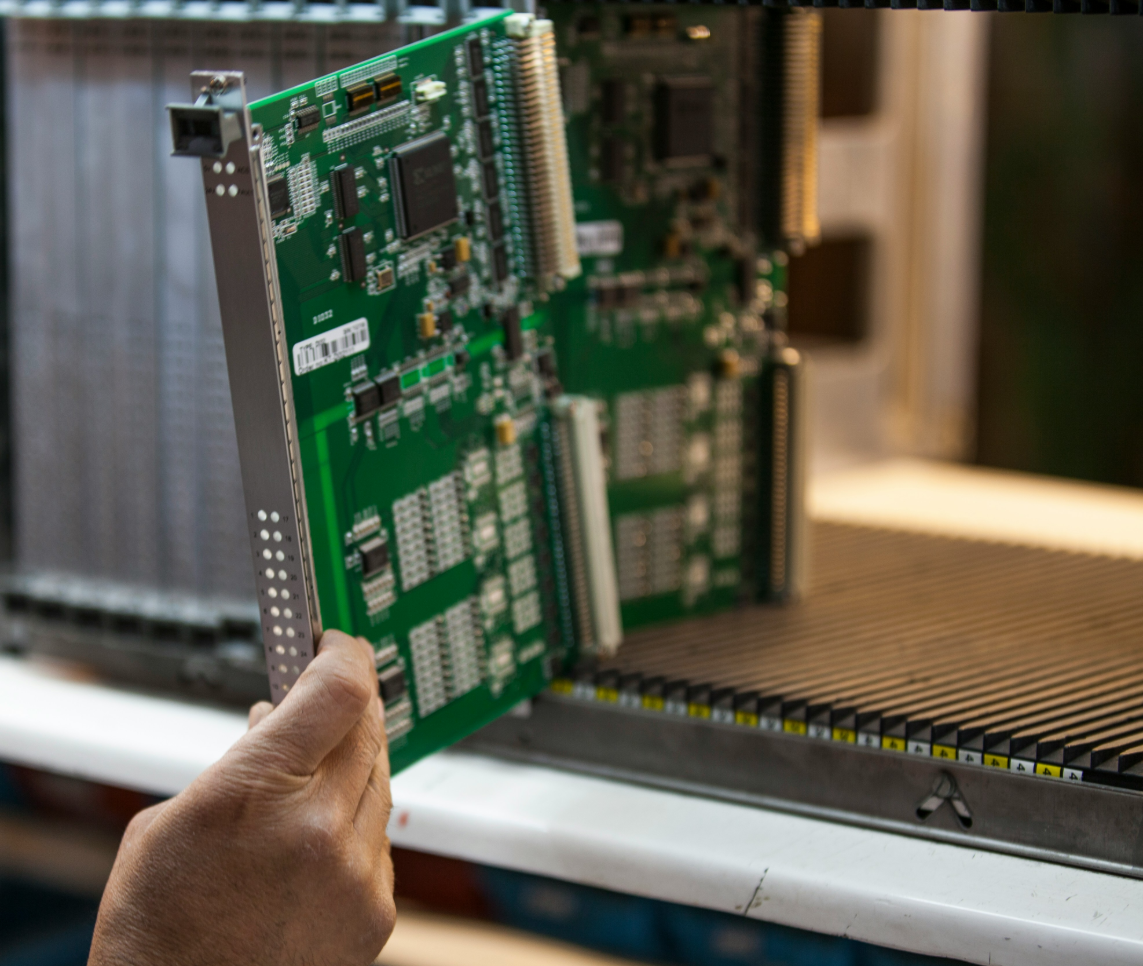
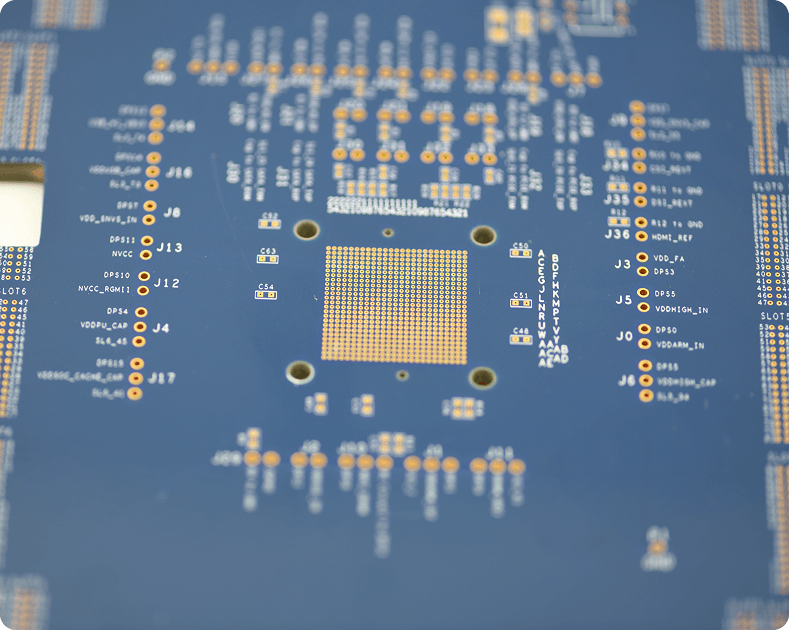
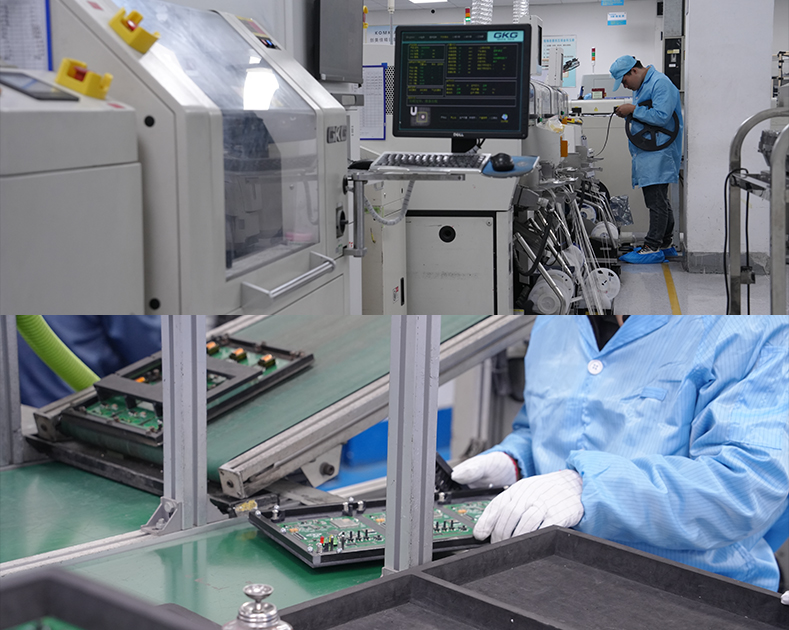
One-stop PCB assembly is a comprehensive, end-to-end service that combines PCB fabrication, component sourcing, Surface-Mount Technology (SMT) assembly, Through-Hole assembly (DIP), and complete electro-mechanical integration under a single roof.
In its truest sense, a premium one-stop service goes far beyond just soldering chips onto a board; it encompasses full hardware integration, including custom cable harness assembly and final enclosure box builds. Instead of managing multiple vendors, electronics companies hand over their design files to a single partner who delivers a fully retail-ready, tested product.
According to industry data from SMTnet, companies utilizing one-stop services report a 28% reduction in production lead time and a 22% decrease in logistics and quality control costs.
Cable & Wire Harness Assembly: The process of grouping, routing, and terminating wires and cables to provide reliable power and signal transmission between boards and peripherals.
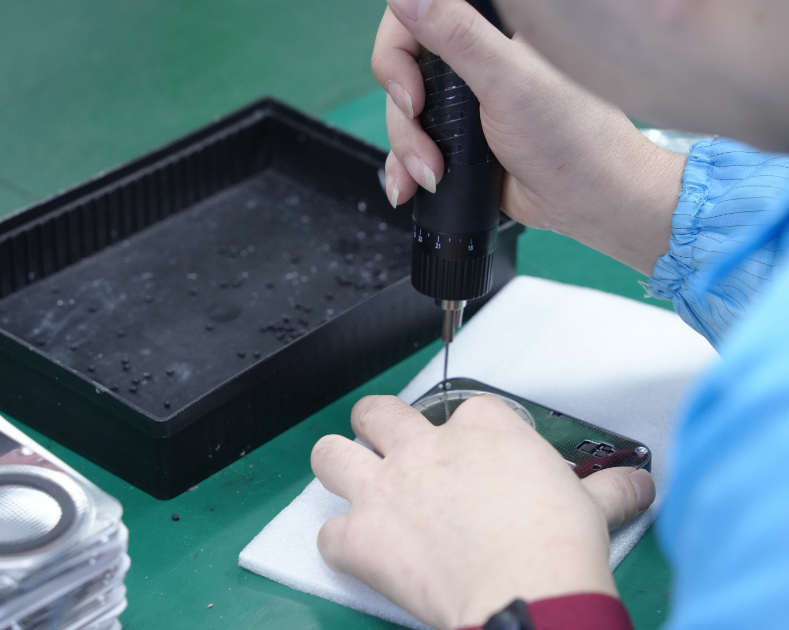
Box Build / Enclosure Assembly: The final integration stage where the assembled PCBs, cable harnesses, and user interfaces are mounted into a custom plastic or metal housing, creating a complete finished product.
To truly understand why one-stop PCB assembly matters, one must look at the hidden costs and geometric risks associated with a fragmented supply chain—especially when moving from a bare board to a finished product.
| Manufacturing Phase | Traditional Multi-Vendor Model | One-Stop Integrated Model |
| Communication & Overhead | Managing separate contracts with PCB fabricators, component brokers, cable assembly shops, and enclosure molders leads to massive administrative friction. | Single Point of Contact (SPOC). One project manager coordinates the entire ecosystem, from the bare silicon to the final mechanical screw. |
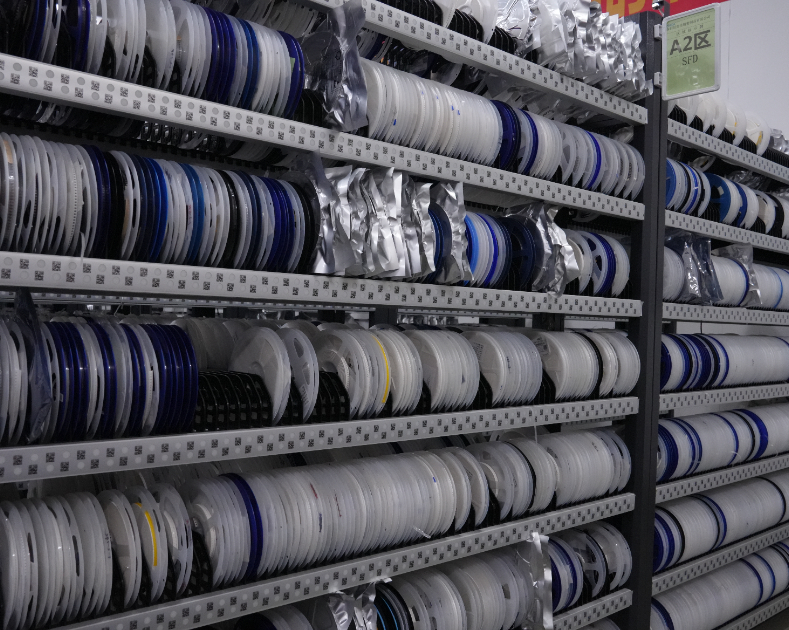
| Mechanical Fit & Alignment | The PCB assembler, cable manufacturer, and enclosure molder work in silos. Issues like misaligned connectors or tight cable routing are often caught too late. | Early DFM/DFA Review. Mechanical and electrical engineers review the entire assembly holistically, ensuring the board, cables, and housing fit together perfectly. |
| Supply Chain & Sourcing | The OEM bears the risk of counterfeit parts, late cable shipments, and mismatched lead times across 4 or 5 different vendors. | Global Supply Networks. The provider leverages centralized ERP systems to secure authentic components, manage custom plastics/metals, and streamline logistics. |
| The "Blame Game" | If a finished device fails to turn on, vendors shift blame (e.g., the enclosure shop blames the board size, the cable shop blames the connector layout). | Single Point of Accountability. The one-stop provider owns the final yield. If the device doesn't function out of the box, they take full responsibility. |
The complete one-stop model is not just about convenience; for many industries, it is a strategic necessity:
Consumer Electronics & IoT: With rapid innovation cycles for smart home devices and wearables, getting a fully assembled, housed, and retail-ready product (Box Build) directly from the factory allows brands to capture market share instantly.
Medical Devices: Strict regulatory standards (like ISO 13485) require flawless traceability. A single facility managing the PCB, the internal wiring, and the outer enclosure maintains a unified quality data log, simplifying compliance audits.
Automotive Systems: The rise of EV and smart-car technologies demands zero-defect reliability. In-house testing closures (such as X-ray, ICT, and full Functional Testing of the final housed unit) ensure that vibration and environmental durability are guaranteed.
"Efficiency is doing things right; effectiveness is doing the right things." By consolidating the hardware supply chain, electronics brands can shift their focus away from manufacturing logistics and toward core R&D, software, and marketing.
True Turnkey Efficiency: Eliminating cross-country shipping between separate PCB suppliers, wire harness shops, and assembly lines reduces logistics costs by 22% and slashes weeks off the production timeline.
Advanced Quality Control Cohesion: Because fabrication, SMT, DIP, wire harnessing, and mechanical enclosure assembly are managed together, defect rates drop by an average of 23%. SPI, AOI, and end-of-line functional testing create a continuous quality loop.
Agile Prototyping (NPI): For New Product Introduction, a comprehensive partner acts as a manufacturing incubator, allowing rapid iterations of both electrical circuits and mechanical housings simultaneously.
Transitioning to a true one-stop manufacturing workflow requires a partner that possesses not only advanced SMT/DIP lines but also robust mechanical assembly capabilities and sophisticated supply chain resilience.
For businesses looking to optimize their electronics manufacturing pipeline with a tailored, end-to-end approach—spanning from the initial PCB design check to custom wire harnesses and final box builds—consulting with specialized turnkey providers can pave a seamless path from design straight to the final market-ready product.
1. What makes one-stop PCB assembly different from traditional methods?
One-stop PCB assembly consolidates multiple manufacturing steps into a single service, significantly reducing coordination headaches and lead times.
2. How can I determine if one-stop PCB assembly is right for my business?
Assess your project’s complexity, scale of production, and desired time frames. If you require rapid production with minimal errors, one-stop services are an excellent choice.
3. Are there minimum order quantities for one-stop PCB assembly services?
Many one-stop PCB assembly providers have varied minimum order quantities, so it’s advisable to consult with the service provider for specific requirements.
In conclusion, adopting a true one-stop manufacturing approach is no longer just a strategic option—it is a competitive necessity in modern electronics. By bridging the gap between PCB fabrication, SMT/DIP assembly, and full electro-mechanical integration (including wire harnessing and box builds), companies can effectively eliminate supply chain friction and accelerate time-to-market. For OEMs looking to transform their design into a retail-ready reality, partnering with comprehensive turnkey experts like Benewave is the definitive next step toward manufacturing excellence.
Find Partners, Not Just Suppliers
Expert OEM & PCBA manufacturing tailored to your exact specifications. Contact us today to discuss your project and discover a more collaborative way to manufacture.
Get a Fast Quote & Free DFM Review
Related PCB Assembly Service