Phone: +86-137 5102 2384
Phone: +86-137 5102 2384
Aug. 21, 2026
Share:
What Determines PCB Assembly Lead Time? PCB assembly lead time is the calendar time from receiving complete production data and materials to shipping inspected, assembled circuit boards. It is determined by factors such as component availability, PCB fabrication, assembly complexity, order quantity, testing requirements, and engineering approval. For businesses, accurate lead-time planning reduces production delays, prevents stockouts, and helps products reach the market faster through a reliable one stop pcb assembly partner such as Benewave.
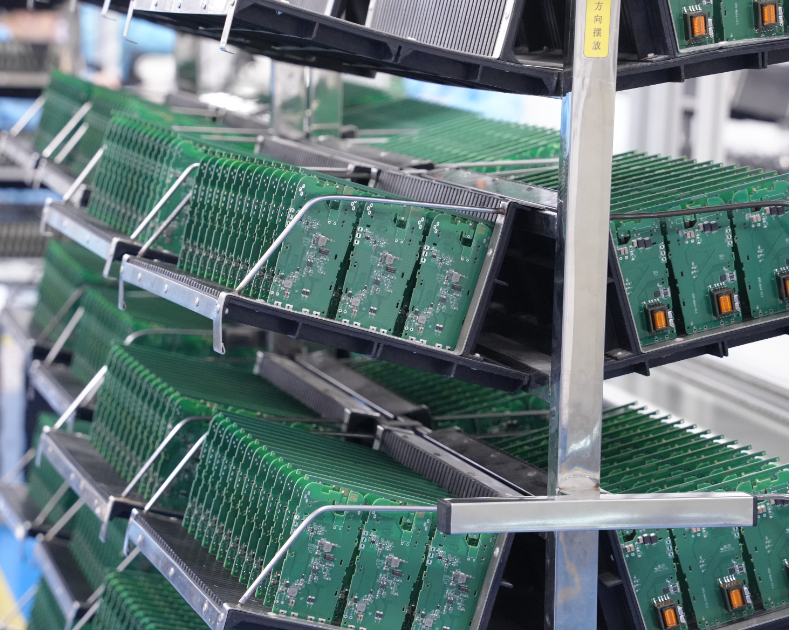
PCB assembly is not simply the process of placing components on a bare board. It is a controlled manufacturing workflow involving design verification, material procurement, SMT placement, through-hole assembly, soldering, inspection, testing, and final delivery.
A realistic lead-time estimate helps businesses:
For startups, contract manufacturers, and OEMs, What Determines PCB Assembly Lead Time? is an essential supply-chain question. A supplier that provides a quotation without reviewing the bill of materials (BOM), Gerber files, pick-and-place data, and test requirements may offer an attractive date that is difficult to achieve.
The PCB industry evolved from manually wired electronic assemblies to highly automated printed circuit board manufacturing. Early electronic products used point-to-point wiring, which was labor-intensive and difficult to scale. The development of printed circuit boards improved repeatability and enabled compact electronic systems.
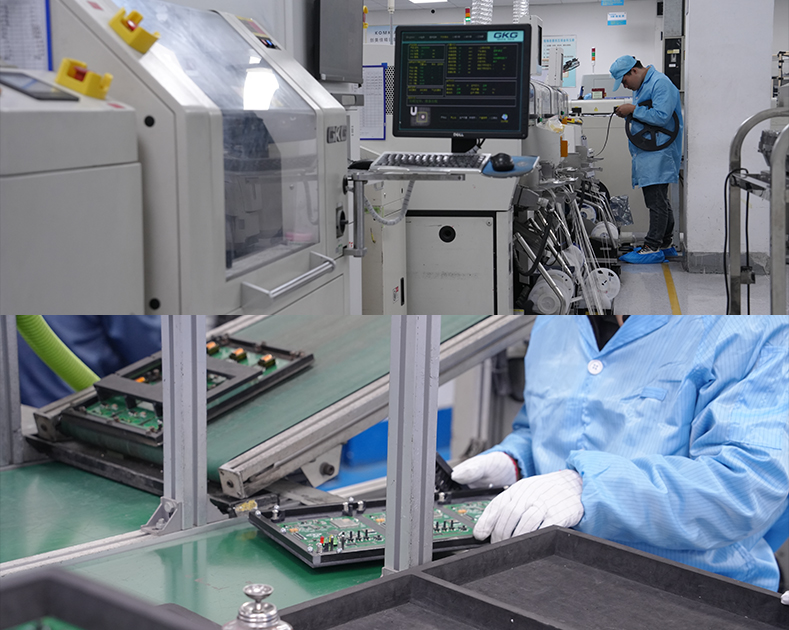
Surface-mount technology (SMT) later transformed production. Smaller packages, higher component density, and automated pick-and-place equipment increased throughput while creating new process-control requirements. Today, a typical assembly line may include:
This history explains why modern lead time depends on more than machine speed. The entire supply chain and quality system must work together.
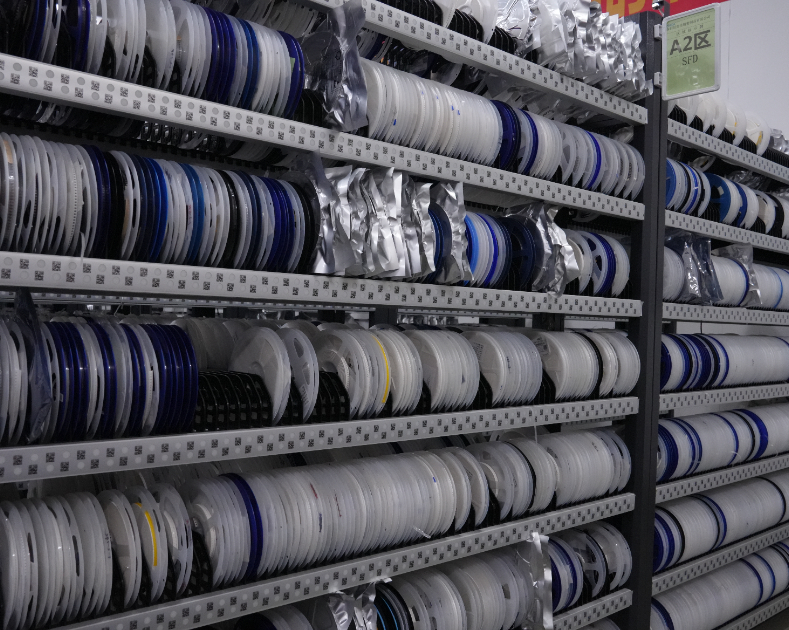
Component sourcing is often the largest variable in a PCB assembly schedule. A board may contain resistors and capacitors that are readily available, but one microcontroller, connector, sensor, or power-management IC can delay the entire build.
Procurement time depends on:
A complete BOM should include manufacturer part numbers, quantities, approved substitutions, and lifecycle information. Without this information, a quote may be based on assumptions rather than a confirmed supply plan.
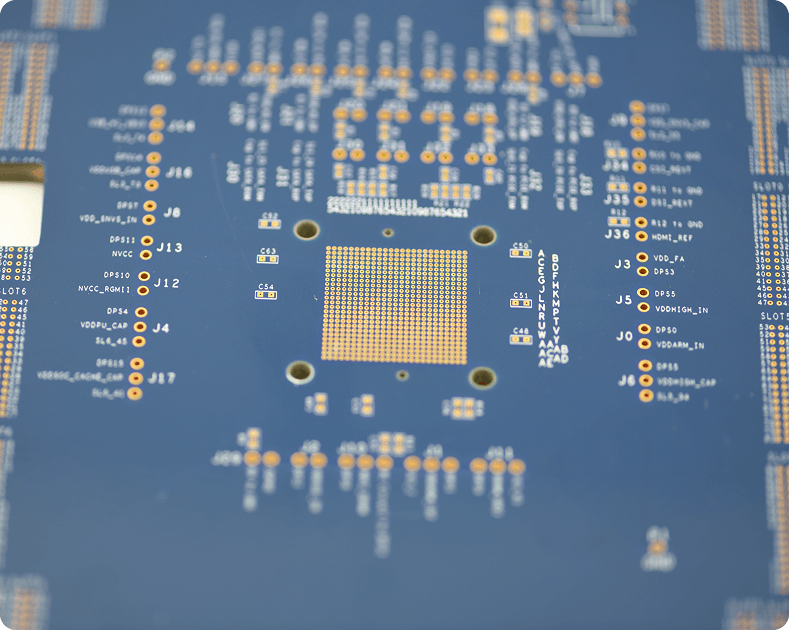
The bare PCB must be manufactured before assembly can begin. Standard two-layer boards are usually faster to produce than complex multilayer boards with controlled impedance, blind and buried vias, metal-core construction, or fine-pitch features.
Important fabrication variables include:
For example, a six-layer impedance-controlled board may require additional engineering review and test coupons. A simple two-layer prototype may move through fabrication more quickly.
Assembly complexity affects both machine setup and inspection time. A board with 20 standard components is not equivalent to a board with 600 components, even when the panel size is similar.
Lead time can increase because of:
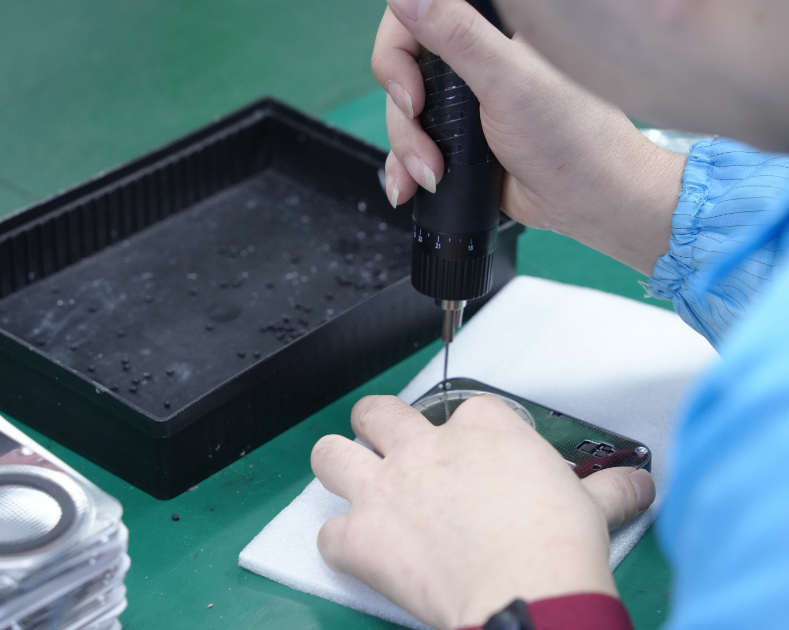
A BGA package may require X-ray inspection, while a board with large connectors may require selective soldering or manual insertion. These operations add process steps and validation time.
Production cannot start efficiently if the manufacturing data is incomplete or inconsistent. A one stop PCB assembly provider should review the documentation before committing to a final schedule.
The usual production package includes:
Common issues include mismatched reference designators, incorrect polarity marks, missing component heights, and differences between the BOM and placement file. A design for manufacturability (DFM) and design for assembly (DFA) review can identify these problems before they cause a production hold.
Quantity affects scheduling, but not always in a simple linear way. A small prototype may require more engineering attention per board, while a high-volume order can require a longer placement run and additional material preparation.
The supplier’s available capacity also matters. Lead time may change according to:
When requesting a quotation from Benewave, ask whether the estimated lead time covers material procurement, fabrication, assembly, inspection, testing, and shipping—or only the assembly operation.
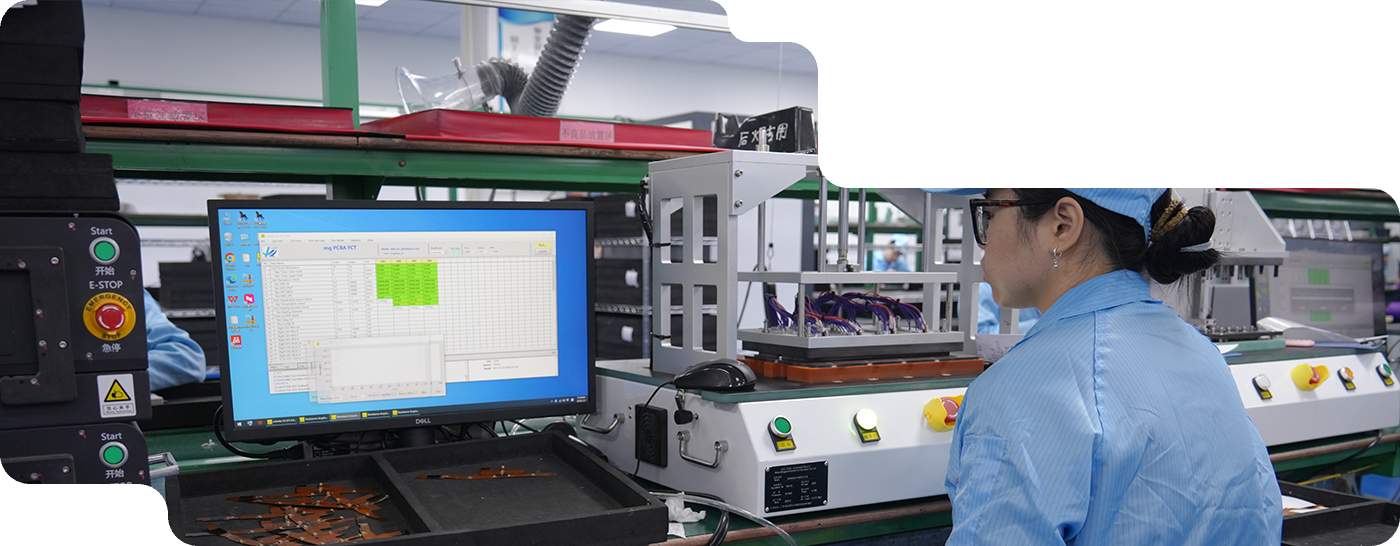
Quality control is a critical part of PCB assembly lead time. Depending on the product risk, the process may include:
Quality requirements should be linked to recognized standards. For electronics assembly, IPC-A-610 is commonly used for assembly acceptability, while IPC J-STD-001 defines requirements for soldered electrical and electronic assemblies. A quality management system may also follow ISO 9001. If mechanical or environmental verification is required, the customer may specify ASTM or DIN methods in the test plan.
A request for 100% inspection or 100% functional testing can extend the schedule compared with sampling inspection. However, it may be essential for medical, industrial, automotive, or safety-critical products.
Some assemblies cannot ship immediately after soldering. The production team may need to load firmware, calibrate sensors, pair wireless modules, or verify communication interfaces.
These activities require:
If a fixture must be designed and manufactured, it can add several days to the schedule. Supplying the test method and software early helps prevent this delay.
The following example shows how a supplier may build a schedule. Actual timing varies by product, region, and capacity.
| Production stage | Typical planning range | Main lead-time risk |
|---|---|---|
| DFM/DFA review | 1–2 business days | Incomplete or conflicting files |
| Component sourcing | 2–20+ business days | Long-lead or obsolete parts |
| PCB fabrication | 3–10 business days | Layer count and special materials |
| SMT assembly | 1–3 business days | Quantity and changeovers |
| Through-hole or manual assembly | 1–5 business days | Connector and mechanical complexity |
| AOI/X-ray/functional testing | 1–5 business days | Test coverage and fixture readiness |
| Final inspection and shipping | 1–2 business days | Documentation or approval delays |
A supplier with a structured process should acknowledge technical questions promptly. For example, a 24-hour response target for quotation or engineering queries can help maintain project momentum, although response time should not be confused with guaranteed production completion.
Not necessarily. A fast SMT line cannot compensate for unavailable components, incomplete files, or a missing test fixture. Total lead time is a combination of procurement, preparation, processing, inspection, and logistics.
They are often different. Prototype builds may require manual setup, engineering verification, and special programming. Mass production may use optimized tooling and repeatable line programming, but larger quantities can require more time.
A quotation may be based on supplier stock, distributor stock, or an assumed substitute. Always ask for a component availability report and confirm whether the date begins after purchase-order approval or after all materials arrive.
Inspection improves defect detection, but no process can honestly guarantee absolute perfection. Strong quality assurance combines process control, operator training, equipment calibration, traceability, and corrective-action procedures. Ask whether inspection records and nonconformance reports are available.
A substitute component may have different electrical characteristics, package dimensions, pin assignments, thermal behavior, or firmware requirements. Any substitution should pass engineering approval and, where necessary, validation testing.
Consider an industrial controller with:
The initial schedule was delayed because one power-management IC had a 12-week manufacturer lead time. The engineering team and the one stop PCB assembly supplier took the following steps:
This approach did not eliminate every manufacturing step, but it moved risk identification to the beginning of the process. The result was a more dependable schedule and fewer last-minute changes.
When evaluating Benewave for one stop PCB assembly, focus on process transparency rather than a headline delivery promise. A capable supplier should be able to discuss:
For precision mechanical or PCB-related requirements, confirm the supplier’s actual process capability. If a drawing requires dimensional control to 0.01 mm, the supplier should explain the measurement method, calibrated equipment, inspection frequency, and acceptance criteria instead of simply repeating the tolerance.
Use this checklist before placing an order:
What Determines PCB Assembly Lead Time? In practical terms, the answer is the combined effect of material availability, PCB complexity, assembly technology, production capacity, engineering readiness, inspection requirements, testing, and logistics. A transparent one stop PCB assembly partner can reduce uncertainty by reviewing the complete production package before confirming the schedule.
Whether you are comparing Benewave with other suppliers or preparing your first prototype order, request a documented lead-time breakdown—not just a single delivery date. Confirm component availability, quality standards, testing coverage, and revision control. These steps help turn a provisional estimate into a realistic manufacturing plan and support faster, more predictable product delivery.
Find Partners, Not Just Suppliers
Expert OEM & PCBA manufacturing tailored to your exact specifications. Contact us today to discuss your project and discover a more collaborative way to manufacture.
Get a Fast Quote & Free DFM Review
Related PCB Assembly Service