Phone: +86-137 5102 2384
Phone: +86-137 5102 2384
Jun. 09, 2026
Share:
In the rapidly evolving electronics manufacturing sector, ensuring that printed circuit boards (PCBs) operate with flawless reliability is paramount. PCB assembly (PCBA) is a highly sophisticated process, yet it is inherently susceptible to various defects, ranging from component misplacements to subtle solder joint failures. If left undetected, these functionality issues flow directly into finished consumer or industrial goods, precipitating catastrophic product failures, costly warranty claims, and severely tarnished brand reputations.
Functional testing (FCT) serves as the definitive line of defense in quality assurance. By validating that the fully assembled circuit board performs exactly according to its targeted operational environment and design criteria, functional testing mitigates risk and ensures that manufacturing defects are addressed before shipment.
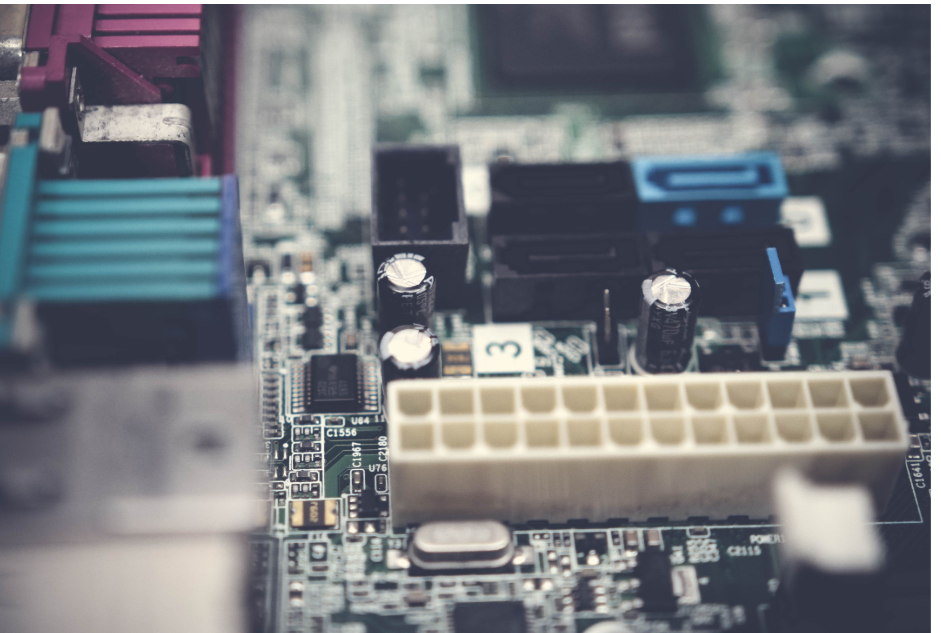
Functional testing verifies a PCB's performance against specific operational parameters, simulating its final use case to eliminate defects, optimize overall manufacturing expenses, and secure uncompromising product quality before it reaches the end user.
Implementing rigorous functional testing directly impacts manufacturing efficiency, cost structures, and marketplace success. The table below outlines the core strategic benefits proven by electronics manufacturing data:
| Strategic Benefit | Key Metric Impact | Operational Business Value |
| Product Quality | Up to 70% Reduction | Catches complex logic errors, structural defects, and component failures prior to final product integration. |
| Cost Optimization | 10x Cost Savings | Resolving hardware anomalies during assembly avoids the exponential expenses associated with field failures or recalls. |
| Production Streamlining | ~15% Efficiency Gain | Enables engineering teams to execute real-time diagnostic adjustments and process calibrations directly on the factory floor. |
| Customer Loyalty | +20% Repeat Purchases | Delivering pristine, high-performing hardware consistently establishes long-term market trust and customer retention. |
Functional testing checks that each circuit board thoroughly meets exact technical specifications. While automated optical inspection (AOI) and in-circuit testing (ICT) excel at finding physical bridges or missing components, only functional testing checks the system-level behavior. By validating electrical signals, firmware execution, and power distribution, effective FCT processes reduce total post-production quality issues by up to 70%.
The financial implications of defect detection timing are severe. Standard industry calculations prove that discovering a defect after a product has left the facility costs up to 10 times more than intercepting it on the assembly line. Functional testing guarantees that manufacturing budgets are spent efficiently, completely eliminating the overhead of post-sale field service, product returns, and structural rebuilds.
Modern electronics are expected to operate reliably under diverse environmental stresses. Functional testing simulates live operations—including variable voltages, specific data throughputs, and fluctuating thermal levels. Ensuring hardware resilience builds robust products, which studies show correlates directly with a 20% increase in repeat commercial purchases.
FCT systems accelerate factory production feedback loops. When a functional test identifies a recurring programmatic or component deviation, technicians can instantly isolate the specific production station or machine responsible. This rapid diagnostic turnaround enhances baseline production flow, driving down lead times and boosting throughput efficiency by roughly 15%.
A product that works flawlessly upon arrival creates an optimal user experience. Research confirms that improving operational functionality ratings can enhance overall customer satisfaction scores by up to 30%. In highly competitive technical markets, this zero-defect reliability translates to stronger marketplace recommendations and accelerated business growth.
Functional testing is not an optional luxury in professional PCB assembly services; it is a fundamental operational pillar. By defending product quality, reducing unexpected post-production costs, and streamlining output timelines, functional testing empowers manufacturers to deliver premium, highly dependable devices. Investing in professional-grade testing frameworks ultimately translates to resilient engineering, optimized manufacturing margins, and fully satisfied clients.
Q: What exactly is functional testing in PCB assembly?
A: Functional testing (FCT) is the final stage of manufacturing quality control. It connects the fully assembled PCB to a specialized testing jig or system that mimics its real-world operational environment, confirming that the hardware, firmware, and circuitry interact exactly as specified by design requirements.
Q: How does functional testing differ from In-Circuit Testing (ICT)?
A: In-Circuit Testing evaluates individual components (resistors, capacitors, ICs) for physical placement and electrical connectivity errors. Functional testing, conversely, powers up the entire board as a cohesive system to verify its holistic logic, operational parameters, and complete system-level performance.
Q: Can implementing functional testing reduce overall project costs?
A: Absolutely. Identifying and resolving a functional issue during assembly is up to 10 times cheaper than fixing a board that has failed after shipping to an end customer. It prevents catastrophic field failures, warranty liabilities, and expensive product recalls.
Q: What impact does thorough testing have on customer retention?
A: Reliable, zero-defect hardware drives a 20% increase in repeat customer business. Ensuring that products operate perfectly from day one boosts customer trust, protects brand equity, and raises customer satisfaction scores by up to 30%.
Find Partners, Not Just Suppliers
Expert OEM & PCBA manufacturing tailored to your exact specifications. Contact us today to discuss your project and discover a more collaborative way to manufacture.
Get a Fast Quote & Free DFM Review
Related PCB Assembly Service