Phone: +86-137 5102 2384
Phone: +86-137 5102 2384
Jun. 09, 2026
Share:
In the world of electronics manufacturing, choosing the right printed circuit board (PCB) assembly technique is pivotal to a product's success. Whether you are designing a sleek consumer gadget or a robust industrial controller, understanding the nuances of Surface Mount Technology (SMT), Through-Hole Technology (THT), and Mixed Assembly is essential.
Here is a comprehensive guide to these core methodologies and how they fit into modern One-Stop PCB Assembly services.
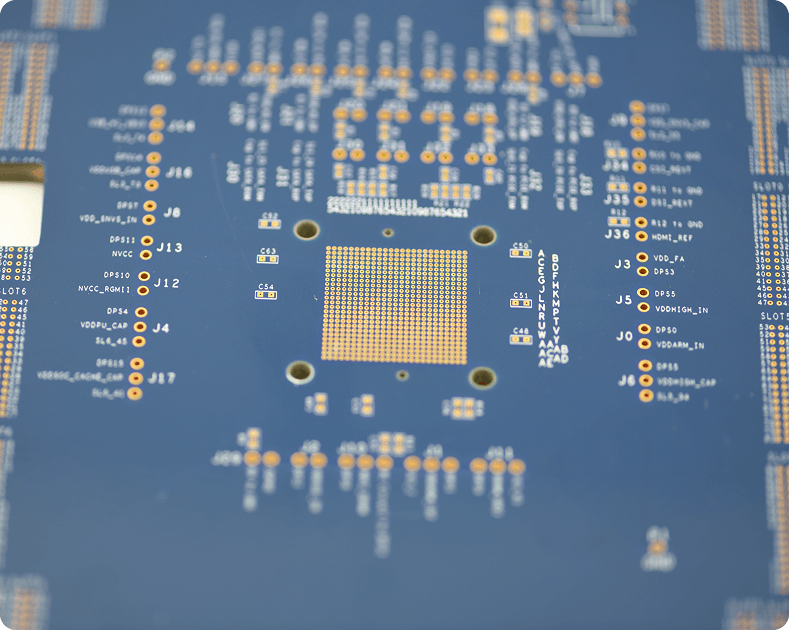
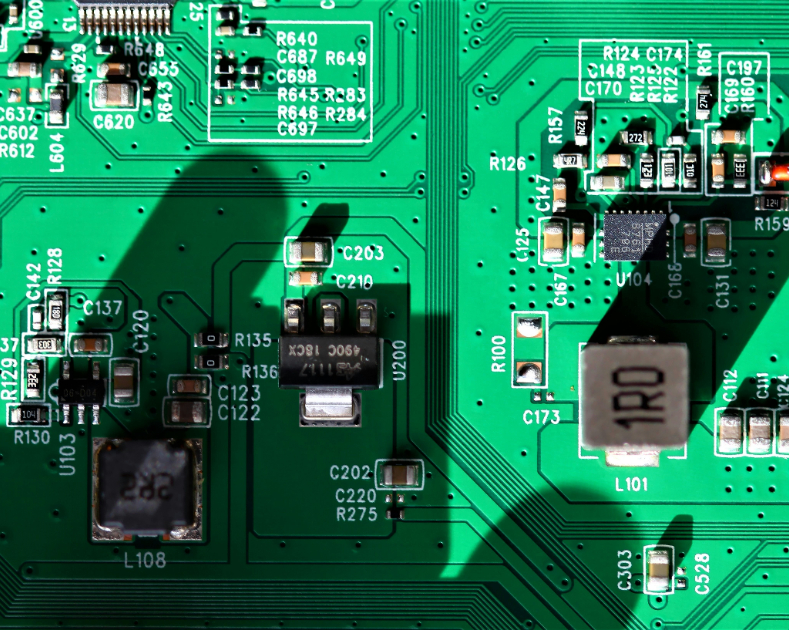
Surface Mount Technology (SMT) involves mounting electronic components directly onto the surface of printed circuit boards (PCBs). Components designed for this technique, known as Surface Mount Devices (SMDs), do not have long wire leads; instead, they feature small metal tabs or balls that solder directly to the board's surface pads.
This technique eliminates the need for drilled holes for every component, allowing for a significantly higher density of components on both sides of the board. SMT is the backbone of modern electronics due to its exceptional efficiency, automation compatibility, and cost-effectiveness at scale.
Through-Hole Technology (THT) is a traditional method of PCB assembly where components have long wire leads that are inserted into drilled holes on the PCB and soldered to pads on the opposite side. DIP (Dual In-line Package) is one of the most recognized sub-categories of THT, traditionally used for integrated circuits (ICs), alongside other components like axial resistors, radial capacitors, and heavy-duty connectors.
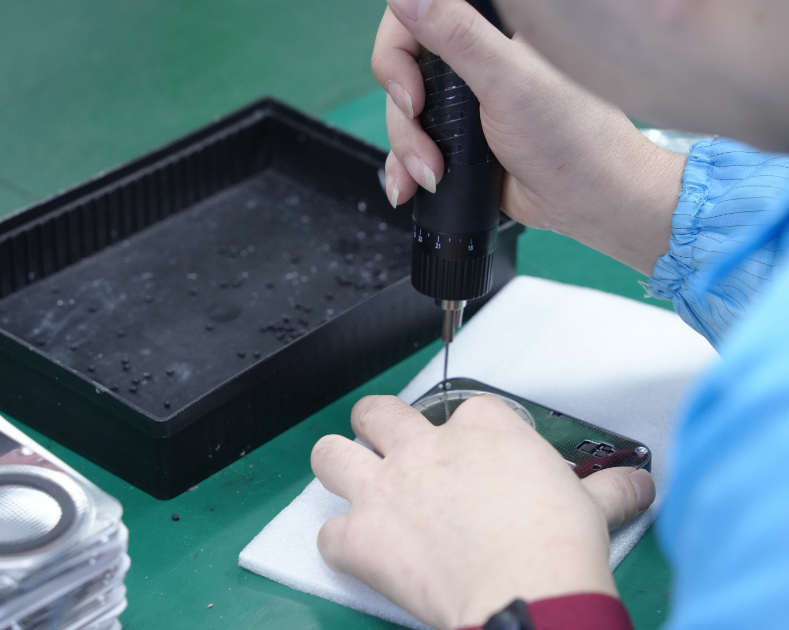
While THT results in a larger PCB footprint and lower component density, it provides exceptionally strong mechanical bonds. THT components are much easier to handle manually, making this method a preferred choice for prototyping, educational kits, and low-volume production.
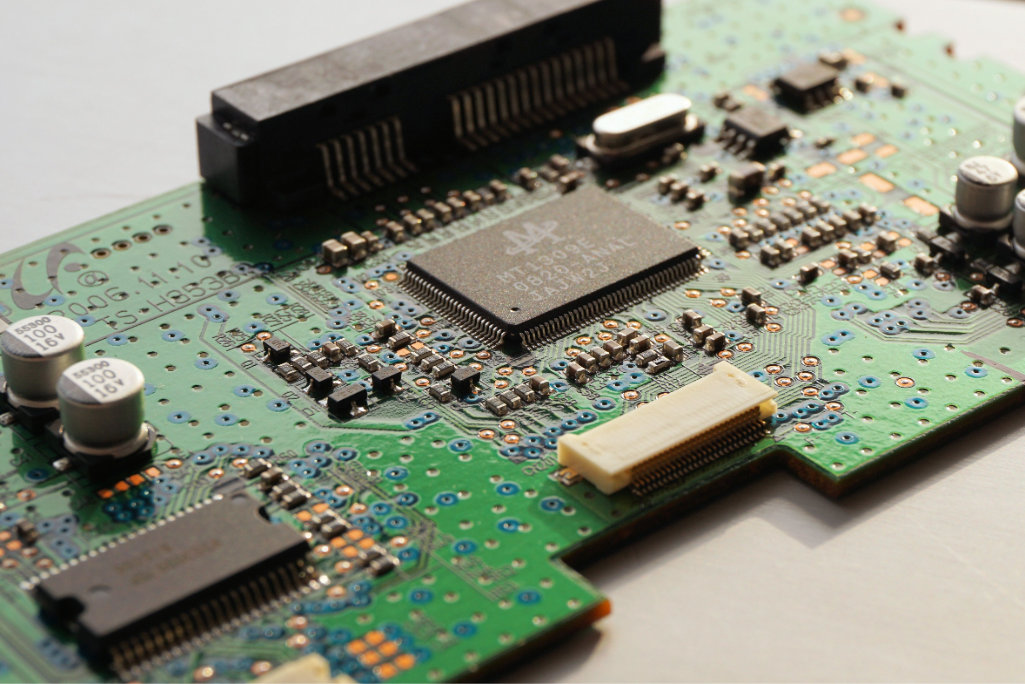
Mixed assembly refers to the strategic combination of both SMT and THT components on a single PCB. This approach allows engineers to leverage the distinct advantages of both methods. For instance, a board might utilize SMT for high-speed microprocessors and memory chips to save space, while using THT for bulky power transformers, connectors, or switches that require high mechanical strength.
Mixed assemblies are inherently more complex. They require careful planning during the design phase, particularly regarding the layout, thermal management, and the sequencing of different soldering processes.
| Parameter | SMT (Surface Mount) | THT / DIP (Through-Hole) | Mixed Assembly |
|---|---|---|---|
| Component Density | High to Ultra-High | Low | Variable (Depends on mix) |
| Space Efficiency | Excellent (Double-sided possible) | Poor (Requires through-holes) | Good to Very Good |
| Mechanical Bond Strength | Moderate (Sufficient for most electronics) | High (Excellent for stress/vibration) | High for specific THT parts |
| High-Frequency Performance | Excellent (Minimal parasitic effects) | Poor (Lead wires act as inductors) | Variable |
| Manufacturing Cost | Lower for mass production | Higher due to manual labor/drilling | Dependent on component balance |
| Assembly Speed | Ultra-High (Fully automated) | Slow to Moderate | Moderate (Requires multi-stage lines) |
| Suitability for Prototyping | Less favorable (Requires stencil/machinery) | Highly favorable (Easy manual soldering) | Depends heavily on design complexity |
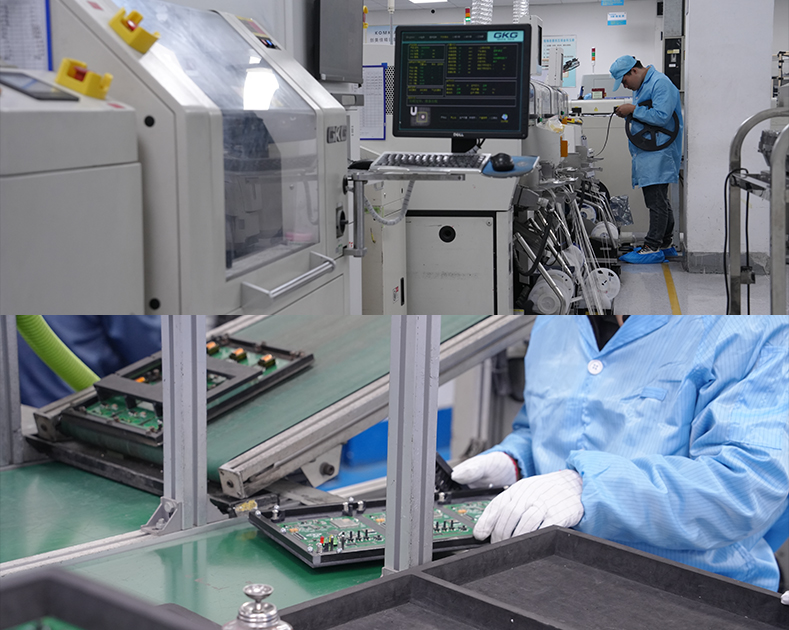
In a professional one-stop manufacturing facility, the workflows for these technologies require entirely different equipment and inspection nodes to ensure quality:
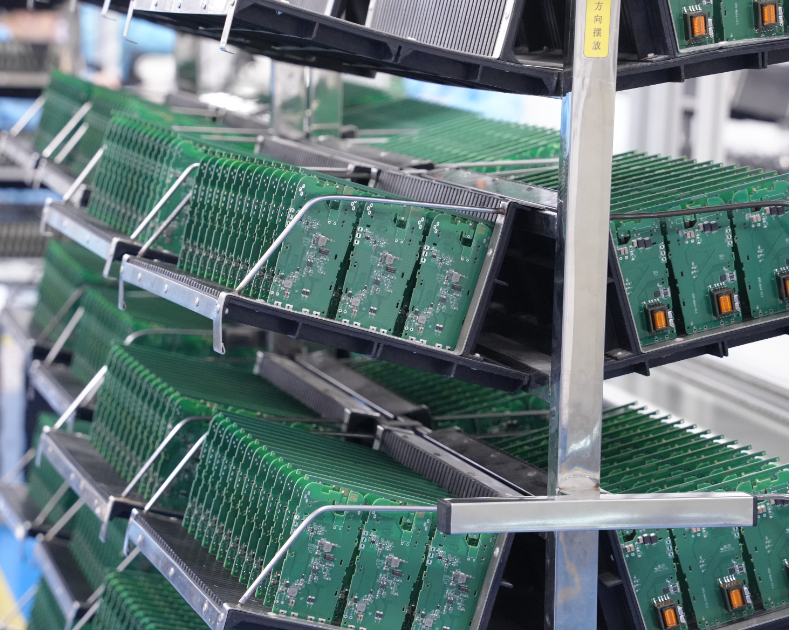
The SMT Process: Follows a highly automated line: Solder Paste Printing → SPI (Solder Paste Inspection) → Pick-and-Place (Component Mounting) → Reflow Soldering →AOI (Automated Optical Inspection).
The THT Process: Involves Component Insertion (Manual or Automated) →Wave Soldering (or Selective Wave Soldering) → Lead Trimming→Manual Post-Soldering Inspection.
The Mixed Assembly Challenge: Mixed boards typically require multiple soldering cycles. Usually, SMT components are reflowed first, followed by THT components processed via wave soldering or selective soldering. Managing thermal stress during these multiple heat cycles requires advanced Engineering and Design for Manufacturing (DFM) expertise.
SMT assemblies inherently result in better electrical performance and longer battery life in high-density designs. This is because SMT components lack long metal leads.
In contrast, the long wire leads of THT/DIP components act as tiny parasitic inductors and capacitors. At high frequencies or high data speeds, these parasitic properties introduce signal degradation, electromagnetic interference (EMI), and impedance mismatches. Therefore, SMT is mandatory for high-speed digital and RF (Radio Frequency) applications.
Professional hardware engineers and product managers strongly favor SMT for commercial applications due to its superior compactness, lightweight nature, and integration capabilities. Conversely, hobbyists, makers, and R&D engineers working on early-stage functional prototypes favor THT because it allows for easy manual modification, probing, and troubleshooting without specialized rework stations.
Advantages: Ultra-high component density; lower per-unit cost in mass production; faster assembly speeds; significantly reduced weight, size, and parasitic inductance.
Disadvantages: High initial setup cost; requires advanced manufacturing and inspection equipment (SPI/AOI); very difficult for manual rework or field repairs.
Advantages: Extreme simplicity in manual assembly, testing, and debugging; incredibly strong mechanical joints capable of enduring mechanical stress and high thermal loads.
Disadvantages: Lower component density; larger PCB footprint; higher production costs in large volumes due to drilling and manual labor constraints.
Ideal for high-volume commercial production where space, weight, high-frequency performance, and manufacturing efficiency are paramount. Examples include smartphones, wearables, automotive ECUs, and telecommunications routing equipment.
Best suited for hobbyists, educational kits, early-stage proof-of-concept prototypes, and rugged power electronics (like power supplies and heavy industrial machinery) where mechanical durability and easy servicing are more critical than compactness.
Necessary for complex, specialized designs that require the best of both worlds. It is the go-to choice for motherboards, industrial automation boards, and aerospace systems where high-density computing circuits (SMT) must interface with heavy-duty power inputs or robust external connectors (THT).
Navigating the complexities of SMT, THT, and mixed assembly requires a reliable manufacturing partner. One-Stop PCB Assembly services by Benewave provide an end-to-end solution tailored to these diverse manufacturing needs. From initial DFM review for complex mixed-assembly boards to high-speed automated SMT lines and rigorous testing, Benewave ensures a seamless transition from prototype to full-scale production.
Find Partners, Not Just Suppliers
Expert OEM & PCBA manufacturing tailored to your exact specifications. Contact us today to discuss your project and discover a more collaborative way to manufacture.
Get a Fast Quote & Free DFM Review
Related PCB Assembly Service