Phone: +86-137 5102 2384
Phone: +86-137 5102 2384
Aug. 14, 2026
Share:
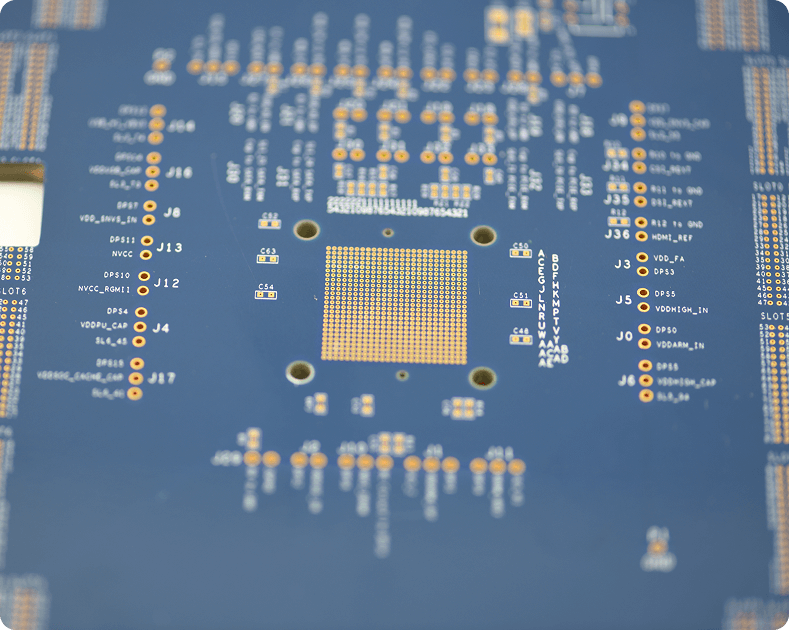
one stop pcb assembly can help move a working prototype into stable mass production, but a successful prototype does not always prove production readiness. A prototype may use hand soldering, special parts, or manual inspection. Design for manufacturing becomes more important when hundreds or thousands of boards must be built. A prototype PCB assembly run may produce only 5 to 20 boards, while mass production may require 10,000 or more units. The bill of materials, component sourcing plan, and factory process must also support a much larger order. This article explains how to prepare a prototype PCB for mass production and how Benewave can help reduce production risks.
A prototype PCB will survive mass production only if the design, components, materials, testing plan, and production process are ready for scale. A working prototype is a strong first step, but it is not enough by itself. The design should pass a DFM review, use stable components, support automated assembly, meet electrical and safety requirements, and complete a pilot production run before full release. A one stop PCB assembly partner can manage PCB fabrication, component sourcing, SMT assembly, through-hole assembly, testing, and quality control in one production plan.
Early boards may be assembled by hand. Engineers may place components manually or repair solder joints after inspection. This can be acceptable for 5 to 20 boards. It is not a reliable method for large orders.
Mass production depends on repeatable equipment. A pick and place machine must place components at the correct position and angle. A reflow oven must use a controlled temperature profile. Small design problems can create thousands of defective boards when the same process is repeated.
A prototype may use parts purchased from a local distributor. The same part may later become unavailable, too expensive, or limited to a small quantity. A production order needs a stable supply of approved components.
Benewave can review the bill of materials and check lead times, minimum order quantities, approved alternatives, and component risks before production begins.
A misplaced reference designator may not affect one prototype. A narrow component gap may be difficult for an assembly machine to handle. A test point may be missing from the printed circuit board assembly. These issues can increase repair work and lower the yield rate.
A prototype may pass a basic power-on test. Mass production requires more complete testing. It may include electrical testing, functional testing, insulation checks, programming, and burn-in testing.
| Item | Prototype Production | Mass Production |
|---|---|---|
| Typical quantity | 5 to 50 boards | 1,000 to more than 100,000 boards |
| Main goal | Confirm the design | Build a stable product at a controlled cost |
| Assembly method | Manual or semi-automatic | Automatic SMT assembly and controlled through-hole assembly |
| Component supply | Small quantity sourcing | Long-term supply planning and approved alternatives |
| Testing | Basic visual and functional checks | AOI, electrical testing, functional testing, and process inspection |
| Cost focus | Speed and design learning | Unit cost, yield rate, labor, material, and defect control |
| Documentation | May be incomplete | Requires controlled production files and inspection standards |
Design for manufacturing, or DFM, checks whether the board can be made with normal factory equipment. Design for assembly, or DFA, checks whether components can be placed, soldered, and inspected efficiently.
A useful DFM checklist for PCB manufacturing should include:
The bill of materials should include the manufacturer part number, value, package, tolerance, approved brand, and quantity per board. It should also list substitute parts if they have been tested and approved.
Do not replace a component only because it has the same value. Its package, electrical rating, temperature range, pin layout, and lifecycle must also match the design.
The PCB fabrication file should match the final schematic and layout. Important details include the number of layers, copper weight, surface finish, solder mask color, board thickness, impedance control, and controlled tolerances.
For high-speed products, impedance control may be required for USB, Ethernet, radio, display, and other signal paths. The factory should receive the correct stackup and impedance requirements before production.
A factory needs more than a Gerber file. A complete production package may include:
A pilot run is a small controlled order made with the same equipment and process planned for mass production. A typical pilot may include 30 to 300 boards, depending on product complexity and order size.
The pilot run helps verify machine programming, solder paste printing, component placement, reflow settings, testing, packaging, and operator instructions.
Check the schematic, PCB layout, components, board materials, and assembly requirements.
Run a DFM review. Identify tight spacing, difficult packages, missing test points, and parts with supply risk.
Compare PCB fabrication, components, assembly, testing, tooling, shipping, and expected production time.
Confirm the final bill of materials, pick and place data, drawings, test files, and revision number.
Build a limited quantity using the planned mass production process.
Use solder paste inspection, automated optical inspection, electrical testing, and functional testing.
Update the design, machine settings, work instructions, or approved component list when needed.
Start the full order after the pilot results meet the quality and performance requirements.
Solder paste inspection measures paste volume, position, height, and coverage. Poor paste printing can cause open joints, bridges, and weak connections.
Automated optical inspection, also called AOI, checks component position, polarity, solder joints, missing parts, and visible defects. AOI is useful for finding repeatable placement problems early.
X-ray inspection can check hidden solder joints under BGA, QFN, and other bottom-contact packages. It can find voids, bridges, and missing connections that a camera cannot see.
Electrical testing checks for shorts, opens, wrong connections, and basic circuit performance. A bed-of-nails fixture or flying probe tester may be used based on order quantity and product design.
Functional testing checks whether the finished board performs its intended job. It may include power tests, communication tests, sensor checks, display tests, motor control, and software programming.
Final inspection checks appearance, labels, connectors, packaging, and documentation. Lot numbers and inspection records help trace a quality issue to a specific production period or component batch.
A one stop PCB assembly service for low volume production and high volume production can combine several operations under one project manager. This reduces the number of handoffs between suppliers.
| Production Need | Benefit of One Stop Service |
|---|---|
| PCB fabrication | Board materials, stackup, surface finish, and tolerances can be reviewed with the assembly plan. |
| Component sourcing | The supplier can check availability, lead time, price, and approved alternatives. |
| SMT assembly | Machine programming and placement data can be managed with the PCB and bill of materials. |
| Through-hole assembly | Large connectors, transformers, terminals, and mechanical parts can be added in the same project. |
| Testing | Inspection and functional test requirements can be planned before production begins. |
| Logistics | Packaging, labeling, shipping, and delivery schedules can be coordinated in one order. |
It is useful when your project requires several suppliers for PCB manufacturing, component sourcing, assembly, programming, and testing. It can also help when your engineering team has limited production experience or when the delivery schedule is short.
For example, a reliable PCB supplier for high volume production should be able to explain how it controls component shortages, production revisions, inspection results, rework, and delivery dates.
The PCB assembly cost for mass production depends on more than the number of boards. The main cost drivers include:
A higher order quantity may reduce the unit cost. However, it can increase the total financial risk if the design has not been fully tested. A pilot build often costs less than correcting a large batch of defective boards.
Suppose a product needs 10,000 boards. If the defect rate is 5 percent, about 500 boards may need repair, replacement, or disposal. If the defect rate is reduced to 1 percent, the affected quantity falls to about 100 boards. This difference can reduce labor, material waste, delivery delays, and warranty risk.
Small spacing may work during hand assembly but create solder bridges during reflow. The layout should follow the package manufacturer's land pattern and the assembly factory's process limits.
Without test points, electrical testing may become slow or impossible. Add test access for power rails, ground, communication lines, and important circuit nodes.
Missing manufacturer part numbers, unclear values, and unapproved substitutes can cause purchasing mistakes. A controlled bill of materials prevents these errors.
Poor panel design can increase material waste and reduce machine efficiency. The panel should consider board edge clearance, tooling holes, fiducials, breakaway tabs, and assembly direction.
A board may be assembled correctly but fail because the programming file, test fixture, or firmware version is wrong. Production documentation should identify the approved software version.
If old and new files are mixed, the factory may build the wrong version. Every production file should have a revision number and approval record.
Benewave can support the full prototype to mass production PCB assembly process. The project may include PCB fabrication, component sourcing, SMT assembly, through-hole assembly, inspection, programming, functional testing, and delivery.
The most effective production plan starts with a review of the customer's files. The team can identify missing data, component risks, layout concerns, and testing needs before placing a large order.
For products that require a one stop PCB assembly partner, this approach can simplify communication. It can also improve schedule control because the PCB, components, assembly, and testing steps are planned together.
A working prototype is not a guarantee of mass production success. The design must support automatic assembly, stable component sourcing, reliable testing, and repeatable factory processes. DFM review, a complete bill of materials, pilot production, and clear quality controls are key steps. With the right one stop PCB assembly partner, companies can move from prototype PCB assembly to mass production with fewer delays, lower defect risk, and better cost control. Benewave can help manage PCB manufacturing, component sourcing, assembly, testing, and delivery as one connected process.
No. A working prototype proves that the design can perform its intended function. It does not prove that the design can be built in large quantities at a stable cost. The prototype should pass DFM review, pilot production, and complete testing before mass production.
The DFM and DFA review is one of the most important steps. It finds problems with component spacing, soldering, test access, panel design, and manufacturing tolerances before these problems affect a large batch.
The quantity depends on product complexity and order size. Many projects use 30 to 300 boards for a pilot run. The pilot should use the same equipment, materials, and inspection process planned for the full order.
Most projects need Gerber or ODB++ files, drill files, a bill of materials, pick and place files, assembly drawings, test instructions, programming files, and packaging requirements. The exact file list depends on the product.
Use a suitable PCB panel, reduce unnecessary part variety, select stable components, optimize component placement, improve the yield rate, and plan the test process early. A larger order may lower the unit cost, but a pilot build should come first.
SMT assembly places components on the surface of the PCB. It is suitable for many small parts and automatic machine placement. Through-hole assembly inserts component leads through holes in the PCB. It is often used for connectors, switches, transformers, and parts that need strong mechanical support.
Mass production needs enough parts at the correct time. A component may be available for a small prototype but difficult to buy for 10,000 boards. Component sourcing should consider stock, lead time, lifecycle, price, quality, and approved alternatives.
Benewave can help coordinate PCB fabrication, component sourcing, SMT assembly, through-hole assembly, inspection, programming, functional testing, packaging, and delivery. The team can also review production files and identify manufacturing risks before the full order begins.
Find Partners, Not Just Suppliers
Expert OEM & PCBA manufacturing tailored to your exact specifications. Contact us today to discuss your project and discover a more collaborative way to manufacture.
Get a Fast Quote & Free DFM Review
Related PCB Assembly Service