Phone: +86-137 5102 2384
Phone: +86-137 5102 2384
Jun. 09, 2026
Share:
In the ever-evolving landscape of electronics manufacturing, speed, cost efficiency, and reliability are the pillars of market success. For hardware engineers and procurement managers, understanding how PCB fabrication and assembly integration works is no longer just an option—it is a critical strategy for optimizing production workflows and reducing time-to-market.
This guide explores the technical intricacies of both processes, highlights the compounding benefits of integrating them under one roof, and addresses the common supply chain pain points faced by modern OEMs.
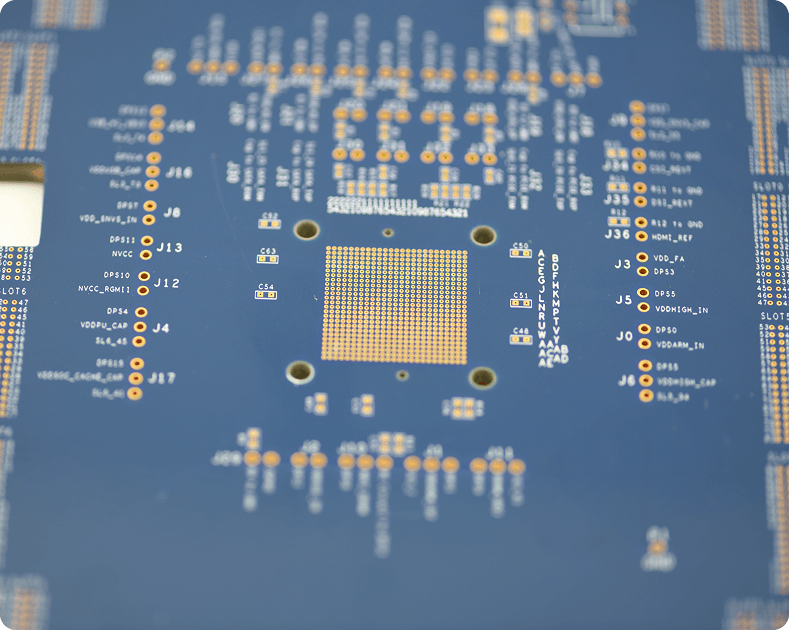
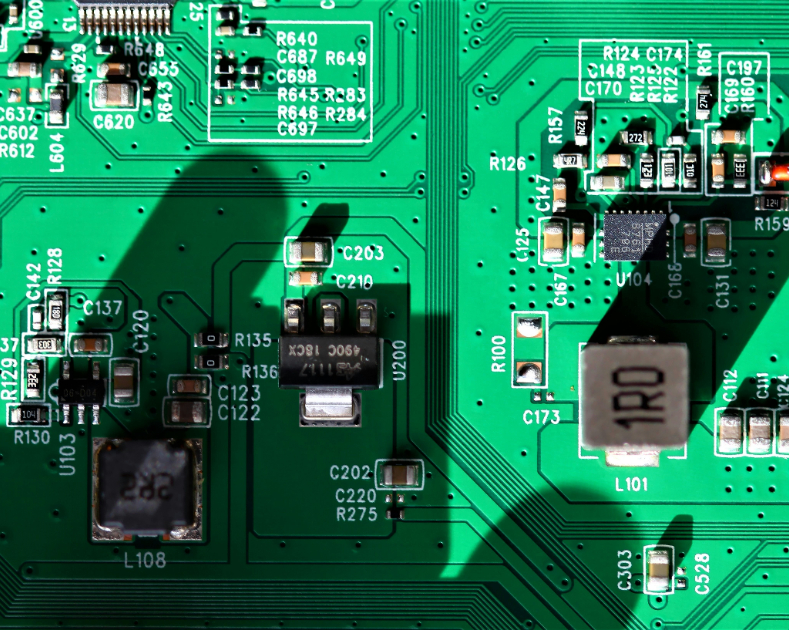
PCB fabrication is the foundational manufacturing process where the physical bare circuit board is produced based on engineering schematics. It forms the mechanical and electrical backbone of any electronic device.
Every board begins as a digital layout (Gerber or ODB++ files) created in EDA software. Advanced manufacturers run a Design for Manufacturing (DFM) review at this stage to catch layout errors before production begins.
Depending on thermal, mechanical, and frequency requirements, substrates are selected. These range from standard FR-4 (glass-reinforced epoxy laminates) for consumer electronics to Polyimide for flexible/rigid-flex circuits, and High-Tg materials for industrial environments.
Through a chemical process, unwanted copper is removed from the laminate layers, leaving behind highly precise copper traces that dictate the electrical paths.
Laser or mechanical drills create micro-vias, blind vias, and buried vias, allowing seamless electrical connections across multiple layers of the board.
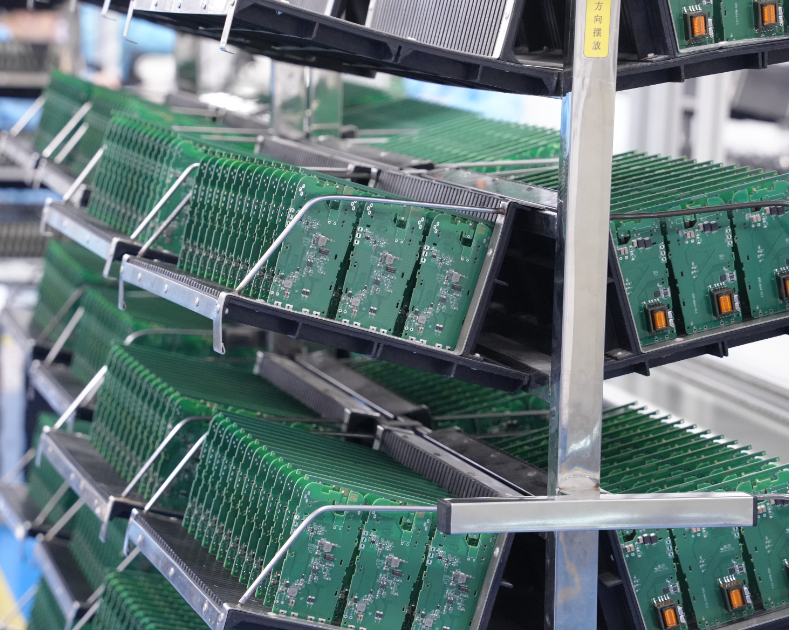
Once the bare board is fabricated, it transitions to the assembly phase, where electronic components are precisely mounted and permanently soldered onto the PCB.
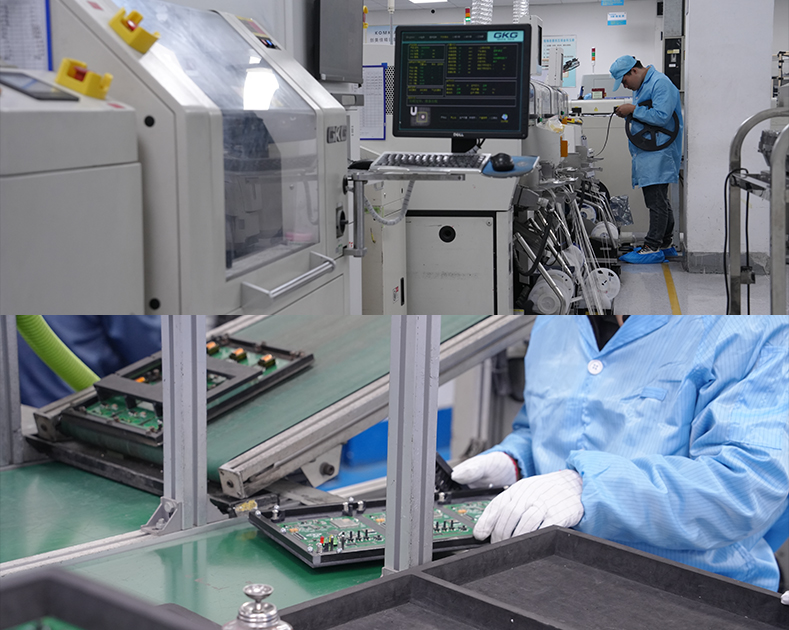
Utilizing automated Surface Mount Technology (SMT) pick-and-place machines, passive and active components are populated onto solder-pasted pads with micron-level precision.
To guarantee defect-free yields, advanced PCBA lines utilize a combination of:
AOI (Automated Optical Inspection): Checks for component presence, polarity, and solder joint quality.
X-Ray Inspection: Crucial for verifying hidden solder joints under complex BGA (Ball Grid Array) packages.
ICT & FCT (In-Circuit & Functional Testing): Verifies the board’s actual electrical performance against real-world use cases.
Traditionally, fabrication and assembly were outsourced to separate vendors. However, shifting to an Integrated Turnkey Model yields measurable operational advantages:
[ Traditional Model ] Fabrication Vendor ──> Shipping Logisitics ──> Assembly Vendor (High Friction)
[ Integrated Model ] Design -> Fab -> Assembly -> Test ] (Zero Friction)
Compressed Lead Times: Eliminating transit time, packaging delays, and incoming quality inspections between the fab house and assembly line cuts total production time by up to 30-40%.
Unified Quality Ownership: When a single vendor owns the entire pipeline, there is no vendor-to-vendor blame shifting if a defect occurs. If a footprint mismatch or board warpage issue is detected during assembly, internal engineering teams rectify it instantly.
Cost Reduction through DFM & Volume Sourcing: Combined fabrication and assembly allows for joint material optimization, reducing panel waste and lowering overall manufacturing overhead.
Seamless Engineering Feedback Loops: Assembly teams can immediately feedback manufacturing constraints to the fabrication engineers, ensuring continuous yield improvement for future production runs.
By integrating the two disciplines, companies can systematically eliminate the most common hurdles in hardware manufacturing:
Supply Chain Disruption: Instead of tracking separate bare board shipments and component kits, integration consolidates tracking into a single milestone schedule.
Design Complexity Overhead: Multi-layer, high-density interconnect (HDI) designs require tighter tolerances. Integration ensures the fabrication tolerances align perfectly with the capabilities of the SMT placement lines.
Escalating Rejection Rates: Integrated automated inspections ensure that if an error occurs in the fabrication stage, it is caught before expensive components are wasted during assembly.
| Manufacturing Approach | Pros | Cons | Best Suited For |
|
In-House Production |
Absolute process control; IP security |
Astronomical capital expenditure; High skilled labor costs. |
Defense, Aerospace, highly classified internal prototypes. |
| Segmented Outsourcing | Niche specialization per vendor |
High management overhead; Logistics delays; Shared liability. |
Standard low-tech products with slow lifecycle changes. |
| Integrated Manufacturing |
Lowest total cost; Fastest time-to-market; Single point of accountability. |
Reliance on a single partner’s capabilities | Startups, medical electronics, automotive, IoT, and high-velocity consumer goods. |
When evaluating an integrated partner, look beyond unit price and audit these core competencies:
Engineering Sophistication: Do they offer comprehensive, automated DFM and DFA (Design for Assembly) checks prior to fabrication?
Advanced QA Infrastructure: Do they possess in-house 3D AOI, X-Ray, and custom functional testing rigs?
Traceability & Standards: Are they certified to global benchmarks such as ISO 9001, ISO 13485 (Medical), or IPC-A-610 Class 2/3?
Transparent Communication: Do they provide a single account manager and an online portal to track live production status?
Bridging the gap between PCB fabrication and assembly is the single most effective way to eliminate supply chain friction, lower manufacturing overhead, and ensure consistent product quality.
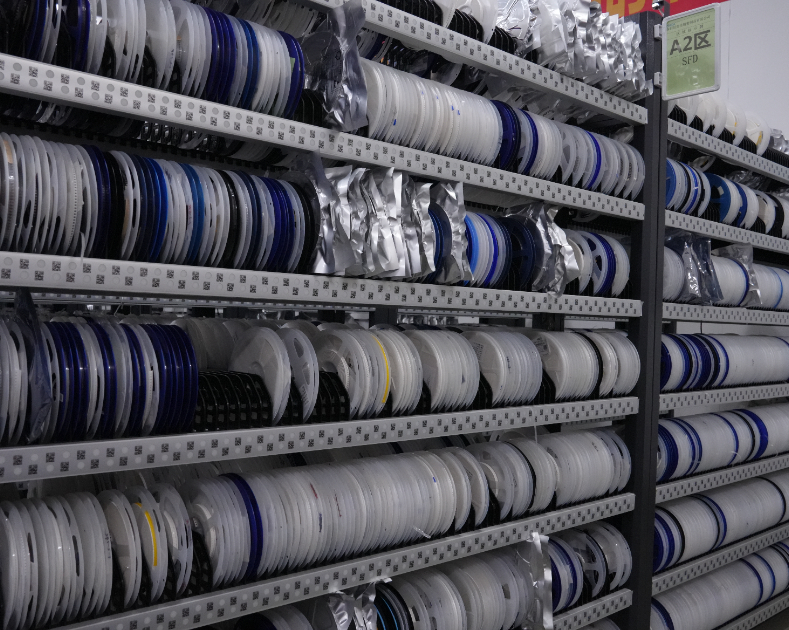
As a proven industry leader in integrated electronics manufacturing, Benewave consolidates engineering, bare-board fabrication, components sourcing, automated SMT assembly, and rigorous testing under one roof.
Ready to accelerate your next hardware deployment? Upload your Gerber files and Bill of Materials (BOM) to Benewave today. Our engineering team will deliver a comprehensive quote and a complimentary DFM analysis within 24 hours.
Find Partners, Not Just Suppliers
Expert OEM & PCBA manufacturing tailored to your exact specifications. Contact us today to discuss your project and discover a more collaborative way to manufacture.
Get a Fast Quote & Free DFM Review
Related PCB Assembly Service