Phone: +86-137 5102 2384
Phone: +86-137 5102 2384
Jun. 12, 2026
Share:
In the fast-paced world of electronics manufacturing, the demand for efficient and reliable PCB assembly (PCBA) has increased significantly. According to a recent report from Mordor Intelligence, the global PCB market is projected to grow at a staggering CAGR of 3.5%, reaching over $73 billion by 2026.
As companies strive for one-stop PCB assembly solutions, understanding the intricacies of supply chain optimization becomes crucial. By addressing common pain points in the PCB industry, businesses can enhance their production efficiency and reduce costs, ultimately leading to a quicker market entry and increased profitability.
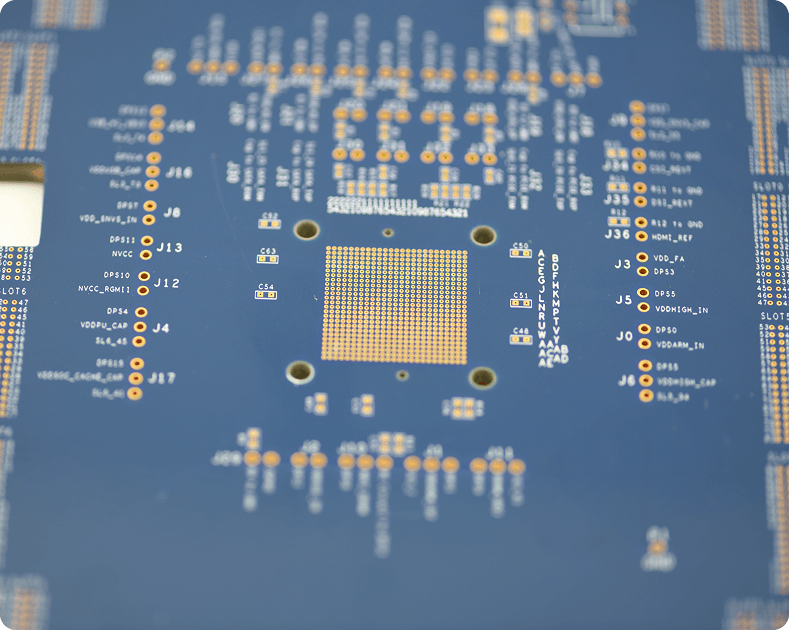
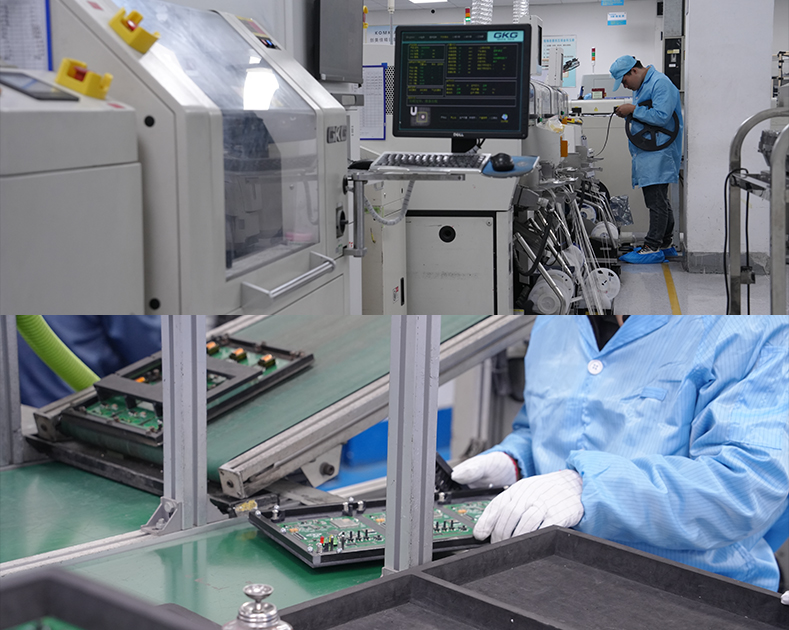
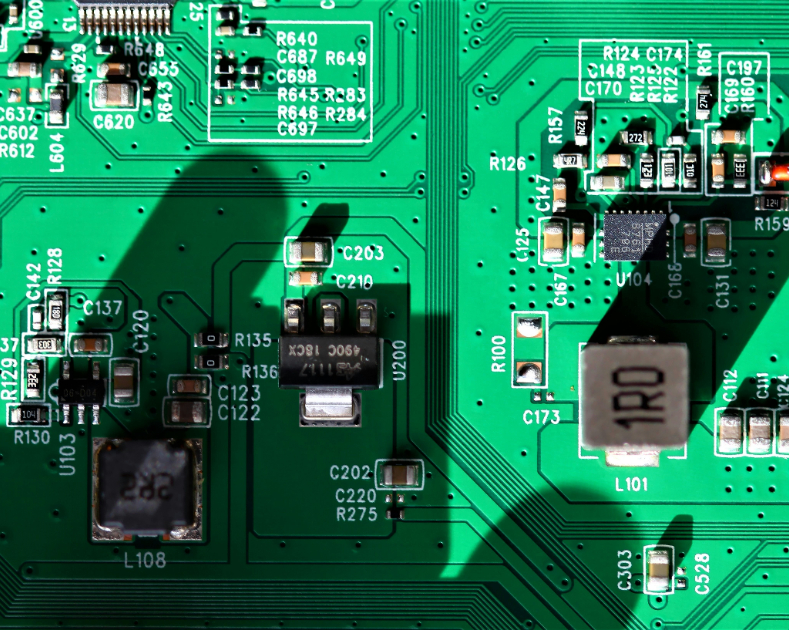
PCB Assembly (PCBA) refers to the process of connecting electronic components (such as resistors, capacitors, ICs, and connectors) to a printed circuit board (PCB). This includes solder paste printing, Surface Mount Technology (SMT), Through-Hole Technology (THT), reflow soldering, and functional testing.
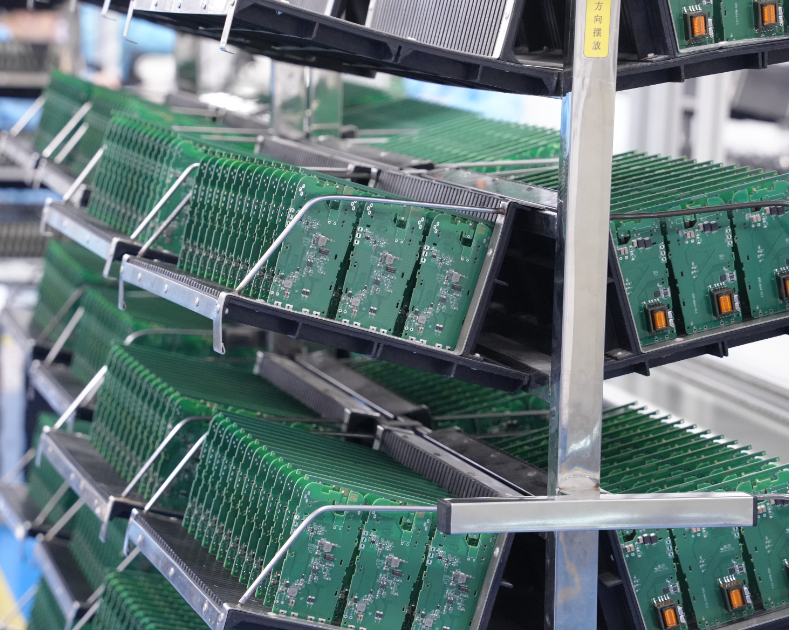
Industry Term: "One-Stop" (Turnkey) PCB Assembly This refers to an end-to-end service encompassing the entire manufacturing lifecycle. Instead of dealing with multiple vendors, the customer partners with a single provider who handles everything: circuit design verification, component sourcing, PCB fabrication, assembly, testing (AOI/ICT/FCT), and final packaging.
In an industry where precision and quality directly influence product success, securing a streamlined PCBA supply chain is critical. Traditional production models often struggle with prolonged lead times, volatile component costs, and quality discrepancies due to fragmented communication.
A study by the International Data Corporation (IDC) highlights a severe industry bottleneck:
⚠️ The Risk of Delay: 30% of companies report significant delays in product launches. The root cause? Inefficient and fragile supply chains.
Optimizing the PCB supply chain directly addresses these bottlenecks, securing your launch timeline, quality consistency, and cash flow.
By transitioning to a highly optimized, digitally monitored supply chain, companies unlock measurable competitive advantages (backed by data from Deloitte and ASQ):
-20% Manufacturing Costs: Streamlined processes and global sourcing networks can slash overall manufacturing and material costs by up to a fifth (Source: Deloitte).
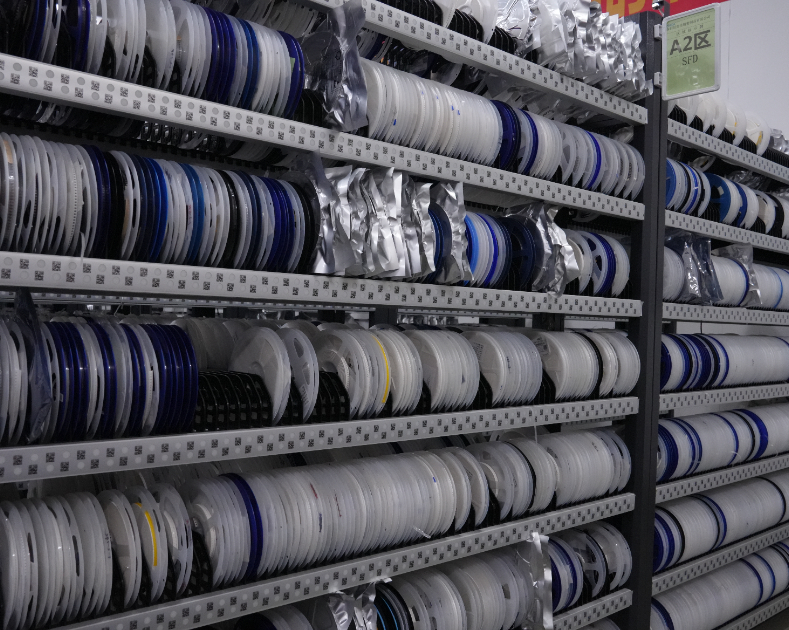
-30% Lead Times: Utilizing Just-In-Time (JIT) inventory management and automated logistics gets your products to market significantly faster.
-60% Defect Rates: Implementing robust Quality Management Systems (QMS) and early Design for Manufacturing (DFM) checks drastically reduces assembly errors (Source: ASQ).
High Scalability: A resilient supply chain provides the agility needed to scale production up or down dynamically, absorbing market fluctuations and component shortages smoothly.
Optimized turnkey PCB assembly powers critical technologies across diverse high-growth sectors:
Consumer Electronics: Smartphones, tablets, wearables, and smart home devices requiring high-density, ultra-thin PCBA.
Automotive Electronics: EV battery management systems (BMS), infotainment, and Advanced Driver-Assistance Systems (ADAS) requiring zero-tolerance quality and long-term reliability.
Medical Devices: Precision diagnostic equipment and patient monitoring systems where strict component traceability is non-negotiable.
Telecommunications: 5G base stations, high-speed routers, and network switches demanding multi-layer, high-frequency, and thermally optimized PCBs.
| Frequently Asked Question | Professional Insight & Best Practices |
| Q1: What should I look for in a turnkey PCBA partner? | Look for three pillars: End-to-end capabilities (DFM, SMT, testing), stringent certifications (e.g., ISO 9001, IATF 16949 for automotive, ISO 13485 for medical), and real-time component tracking systems. |
| Q2: How does supply chain optimization accelerate lead times? | By implementing Just-In-Time (JIT) manufacturing and building direct API integrations with global component distributors. This eliminates waiting times for materials and optimizes SMT line scheduling. |
| Q3: What role does technology play in modern PCBA supply chains? | Advanced technologies like AI-driven demand forecasting predict component shortages, IoT-enabled smart warehousing tracks inventory in real time, and digital ERP/MES systems ensure full process traceability. |
Ready to eliminate production delays and cut down on manufacturing overhead? Partnering with the right hardware supply chain expert is the key to refining your processes.
Find Partners, Not Just Suppliers
Expert OEM & PCBA manufacturing tailored to your exact specifications. Contact us today to discuss your project and discover a more collaborative way to manufacture.
Get a Fast Quote & Free DFM Review
Related PCB Assembly Service