Phone: +86-137 5102 2384
Phone: +86-137 5102 2384
Jul. 03, 2026
Share:
In the rapidly evolving consumer electronics sector, manufacturers face numerous challenges. Chief among them are the complexities of PCB assembly, often leading to increased production costs and time delays. To successfully navigate these hurdles, businesses seek effective assembly solutions that not only enhance product quality but also improve overall efficiency. Understanding the right PCB assembly methods and techniques can significantly impact a company's profitability in this competitive marketplace.
Consumer electronics manufacturers often struggle with several key issues:
Managing costs is crucial. The right PCB assembly techniques can help reduce materials costs and minimize labor expenses, enabling manufacturers to price their products competitively.
With consumer electronics moving at lightning speed, manufacturers must ensure they can keep up with market demands. Faster PCB assembly processes directly contribute to quicker time-to-market for new products.
Quality control is paramount. Ensuring that PCBs meet stringent performance standards is essential for customer satisfaction and brand loyalty.
Implementing effective solutions can tackle the challenges posed in PCB assembly. Here are the most significant methods and technologies:
Utilizing AOI can enhance quality assurance by detecting defects early in the production process, preventing costly reworks.
SMT offers high-density assembly that suitable for modern consumer electronics, decreasing board size while improving functionality.
This method is ideal for assembling components with mixed technologies, ensuring high quality and reliability in the final product.
The PCB assembly process can be broken down into several key steps:
| Step | Description |
|---|---|
| 1 | Design and Prototyping |
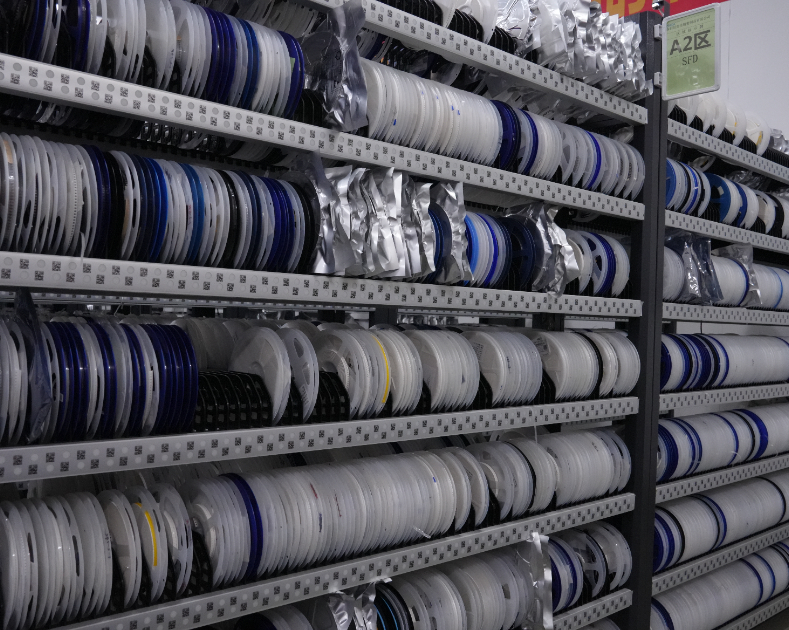
| 2 | Material Sourcing |
| 3 | PCB Fabrication |
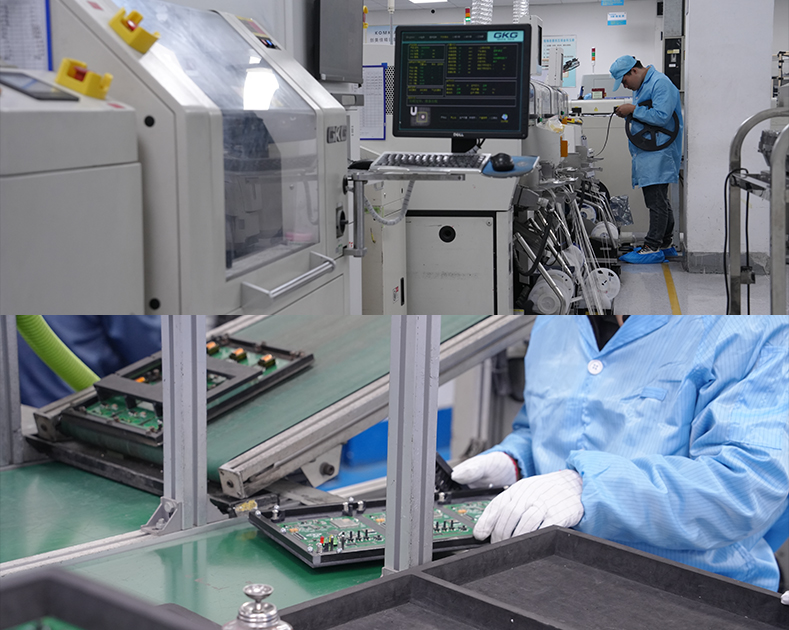
| 4 | Assembly |
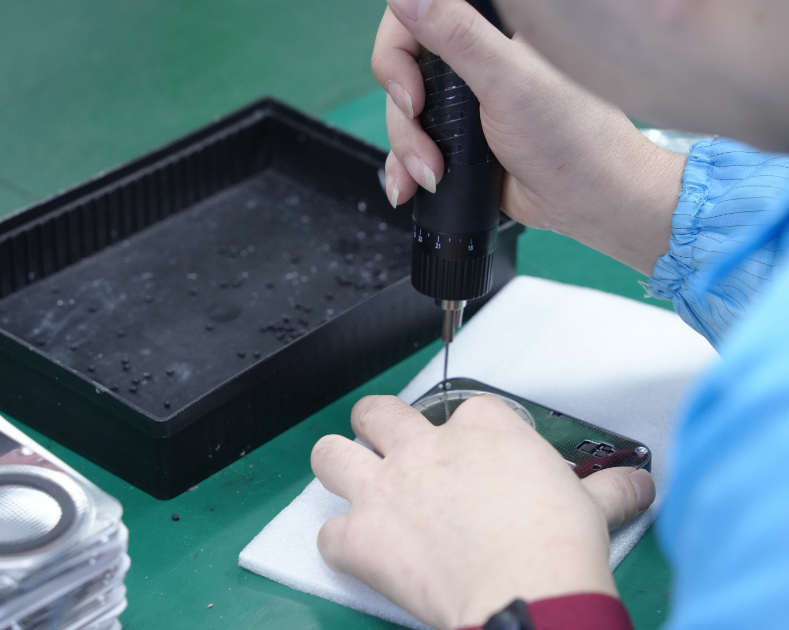
| 5 | Testing & Quality Control |
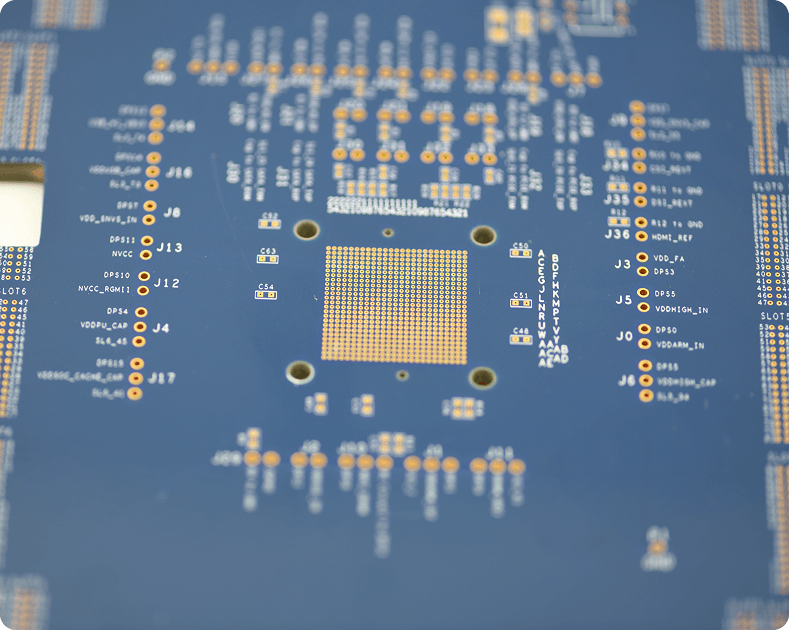
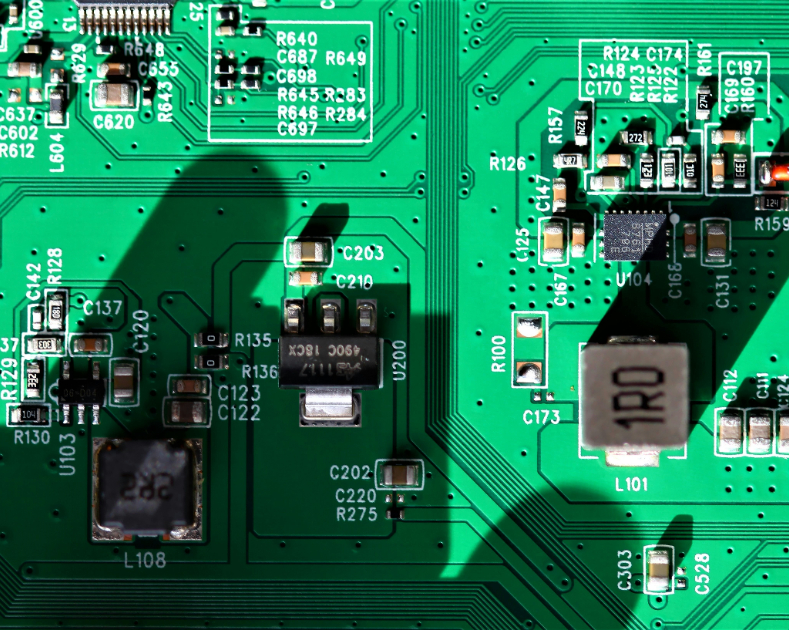
The PCB assembly process begins with design and prototyping, where initial layouts and circuit patterns are developed. Next, material sourcing involves procuring components necessary for assembly.
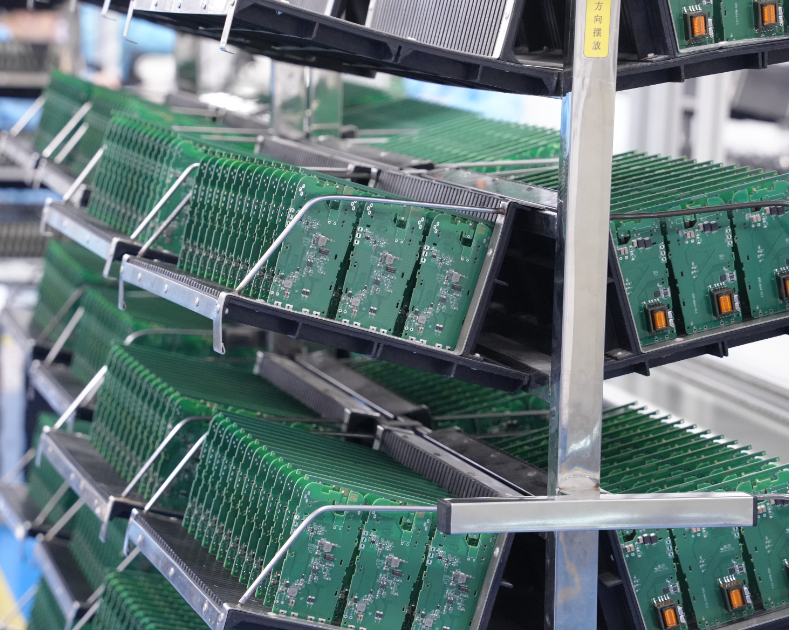
The third step, PCB fabrication, is where the physical boards are produced, followed by assembly, where components are mounted onto the PCB. Finally, testing and quality control ensure that the assembled products meet regulatory and performance standards.
Customization is a significant factor in PCB assembly. Here are three critical points:
Each consumer electronics product has unique requirements. Custom PCB assembly solutions tailored to specific applications can improve performance and reliability significantly.
Customized solutions can provide a competitive edge by enabling innovation and differentiation in product offerings.
Ability to scale production efficiently is vital. A flexible PCB assembly process allows manufacturers to adjust to changing consumer demands seamlessly.
Staying ahead in the consumer electronics market involves being aware of industry trends that influence PCB assembly:
Increasing demand for sustainable products is driving the use of eco-friendly materials in PCB and assembly processes.
The rise of the Internet of Things (IoT) is leading to more complex PCB designs and assembly processes tailored for connectivity.
Technologies such as 3D printing and laser cutting are changing the landscape of PCB assembly, providing innovative methods for production.
In conclusion, the landscape of PCB assembly for consumer electronics is continuously evolving. Manufacturers must adopt advanced solutions that tackle common challenges, embrace customization, and stay ahead of industry trends to maximize efficiency and ensure product quality. By doing so, they can pave the way for success in this dynamic market, utilizing providers like Benewave to fulfill their PCB assembly needs.
Find Partners, Not Just Suppliers
Expert OEM & PCBA manufacturing tailored to your exact specifications. Contact us today to discuss your project and discover a more collaborative way to manufacture.
Get a Fast Quote & Free DFM Review
Related PCB Assembly Service