PCB Assembly for Security and Surveillance Systems

Jul. 09, 2026

Share:

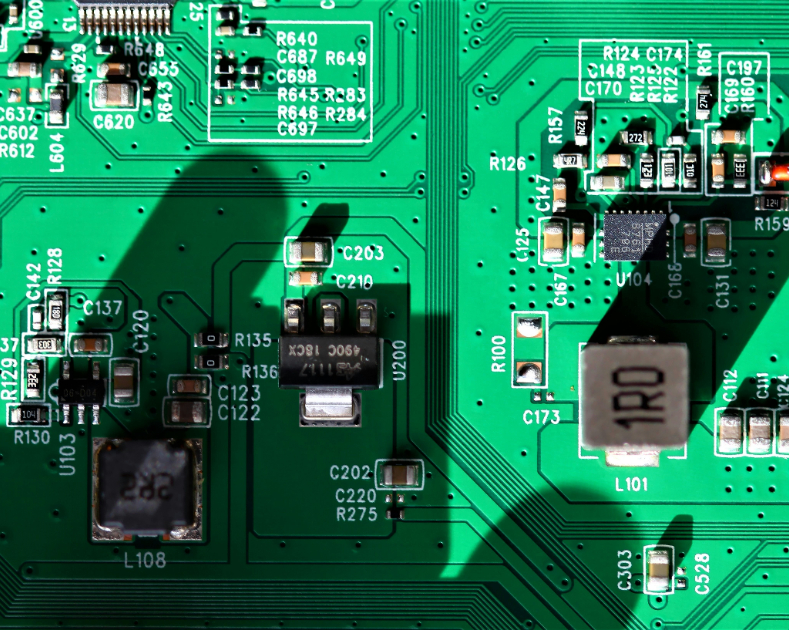
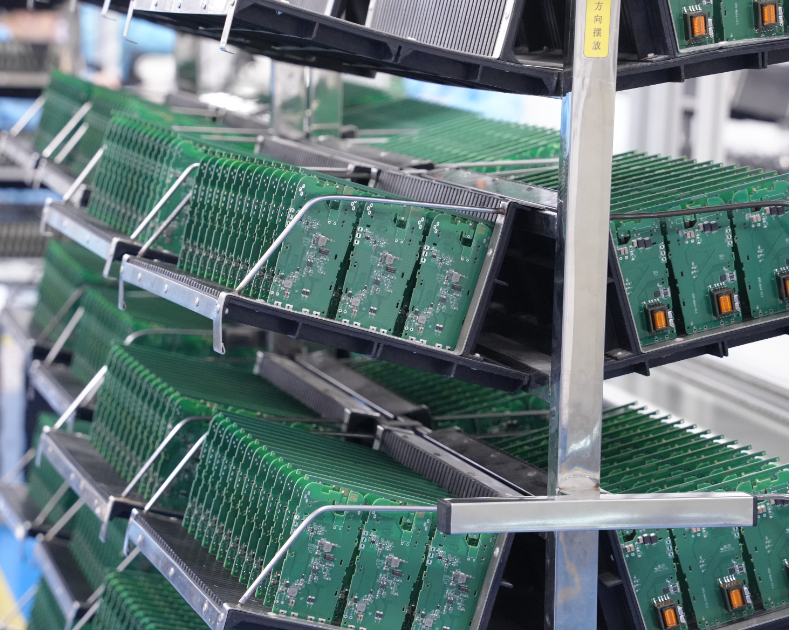
In an age where safety is paramount, the demand for reliable security and surveillance systems is on the rise. To ensure optimal performance, these systems rely on sophisticated printed circuit boards (PCBs) that form the backbone of their functionality. This article explores how PCB assembly addresses various pain points in the security sector, examining crucial aspects such as scalability, reliability, and integration with advanced technologies.

1. Reliability: The Cornerstone of Security Systems

The effectiveness of security and surveillance systems hinges on the reliability of their PCBs. Unforeseen failures can lead to significant security breaches, making it essential to invest in high-quality PCB assembly. Key factors include:

1.1 Consistency in Quality Control

Manufacturers must enforce strict quality control protocols to reduce the risk of defects that could compromise security. Regular inspections and testing throughout the assembly process are vital.

1.2 Use of High-Grade Materials

Utilizing high-quality materials ensures better durability and longevity of PCBs, crucial for devices subjected to various environmental conditions.

1.3 Advanced Technology Integration

Incorporating cutting-edge technology like IoT enables real-time monitoring and alerts, enhancing the overall effectiveness of surveillance systems.

2. Scalability: Adapting to Growing Security Needs

As security concerns evolve, so must the systems designed to address them. A robust PCB assembly process can accommodate increasing demands. Key aspects include:

2.1 Modular Design

A modular approach allows for easy upgrades and scalability, ensuring that surveillance systems can be expanded without complete overhauls.

2.2 Custom Solutions

Tailored PCBs can be designed to meet specific requirements, providing flexibility and adaptability to unique surveillance environments.

2.3 Efficient Manufacturing Processes

Utilizing efficient assembly methods can significantly reduce lead times, allowing manufacturers to respond swiftly to changing demands.

3. Cost-Effectiveness: Balancing Quality and Budget

Investing in high-quality PCB assembly for security systems can lead to long-term savings. Here are some cost-effective strategies:

3.1 Economies of Scale

Producing larger quantities of PCBs can lower the cost per unit, making it more affordable for buyers without sacrificing quality.

3.2 Streamlined Processes

Improving assembly efficiency reduces labor and production costs, providing better value to customers.

3.3 Lower Maintenance Costs

Investing in reliable PCBs can reduce the need for frequent repairs and replacements, further lowering lifetime expenses.

4. Integration of Advanced Security Features

Modern security systems can incorporate advanced features to maximize efficiency. Key integrations include:

4.1 Surveillance Cameras with Analytics

PCBs designed for connecting intelligent cameras can feature advanced image processing capabilities for better situational awareness.

4.2 Smart Event Detection

Integration with AI allows for proactive threat detection and response through smart algorithms embedded in the PCB.

4.3 Connectivity with Security Networks

PCBs must ensure seamless communication between devices and central systems, enhancing overall system functionality.

5. Compliance with Industry Standards

Compliance with industry standards ensures reliability and safety in security systems. Essential factors to consider include:

5.1 Adherence to International Standards

Manufacturers should follow IEC and ISO guidelines to ensure PCBs meet necessary safety and performance criteria.

5.2 Certifications and Testing

Obtaining relevant certifications bolsters customer confidence, as they indicate adherence to quality protocols.

5.3 Environmental Considerations

Utilizing eco-friendly materials can help meet regulatory requirements that promote sustainability.

Comparison of PCB Assembly Techniques for Security Systems

Assembly Technique Advantages Disadvantages
Surface Mount Technology (SMT) High-density assembly, smaller size Requires special equipment
Through-Hole Technology Stronger mechanical bonds More space-consuming
Mixed Technology Flexible design, optimizes both More complex assembly process

Steps of PCB Assembly for Security Systems

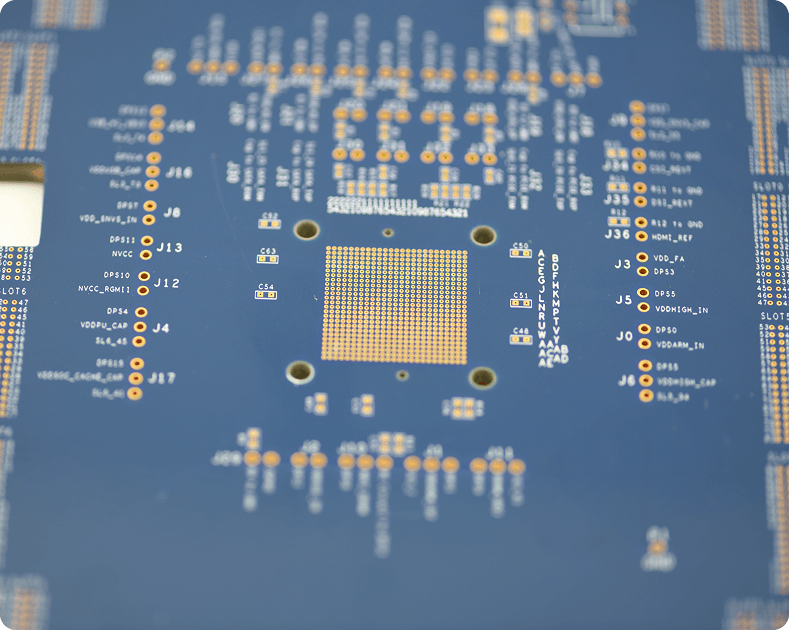
  1. Design the PCB Layout with Security Features
  2. Select Materials Based on Application Requirements
  3. Perform Initial Testing of Components
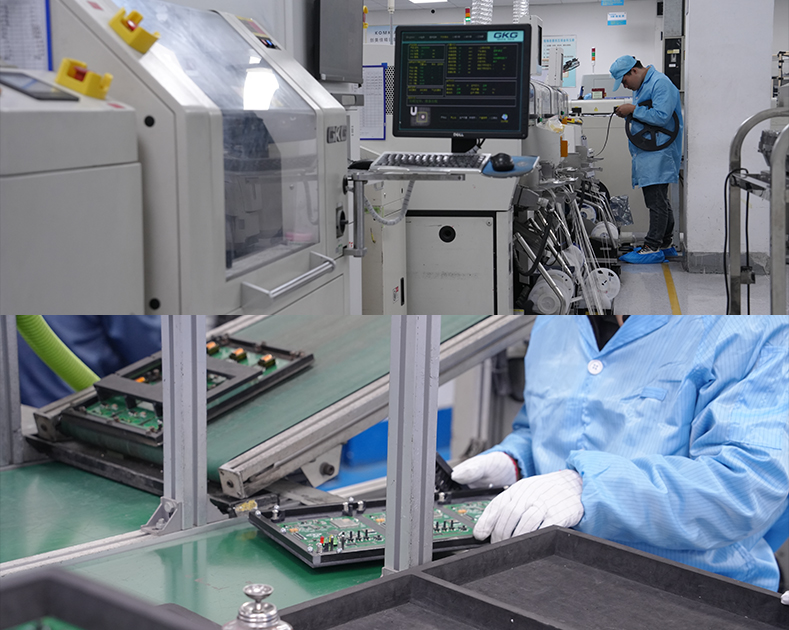
  4. Assemble PCBs Using Preferred Technique
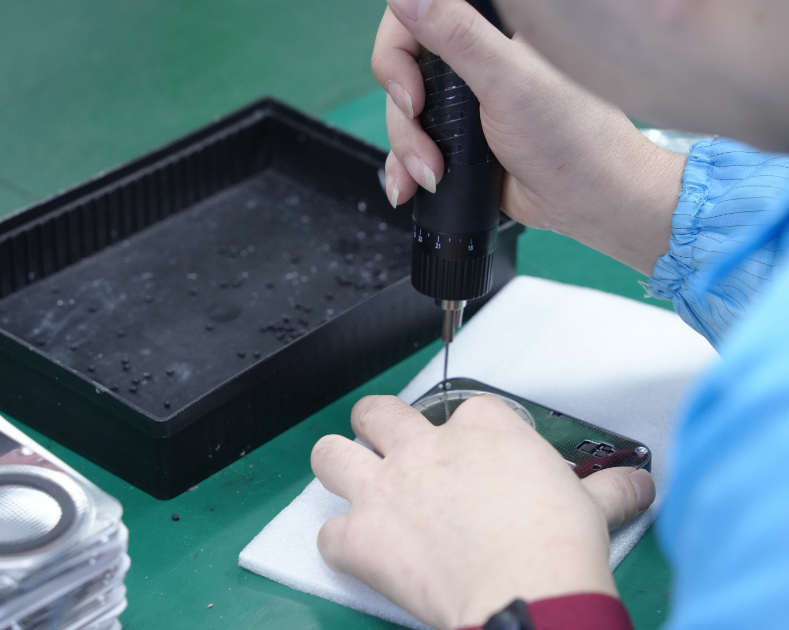
  5. Conduct Quality Control Inspections
  6. Integrate with Security Systems
  7. Finalize and Ship to Customers

Through an optimized process, manufacturers like Benewave are committed to delivering top-notch PCB assembly tailored for security and surveillance systems. By understanding key pain points, implementing efficient strategies, and providing advanced integrations, businesses can achieve a higher level of safety and security for their clients.

How PCB Assembly Supports Industry 4.0 Manufacturing

PCB Assembly for LED Lighting Systems

Find Partners, Not Just Suppliers

Expert OEM & PCBA manufacturing tailored to your exact specifications. Contact us today to discuss your project and discover a more collaborative way to manufacture.

Get a Fast Quote & Free DFM Review

*
  • Afghanistan
  • Albania
  • Algeria
  • American Samoa
  • Andorra
  • Angola
  • Anguilla
  • Antarctica
  • Antigua and Barbuda
  • Argentina
  • Armenia
  • Aruba
  • Australia
  • Austria
  • Azerbaijan
  • Bahamas
  • Bahrain
  • Bangladesh
  • Barbados
  • Belarus
  • Belgium
  • Belize
  • Benin
  • Bermuda
  • BBhutan
  • Bolivia
  • Bosnia and Herzegovina
  • Botswana
  • Bouvet Island
  • Brazil
  • British Indian Ocean Territory
  • Brunei Darussalam
  • Bulgaria
  • Burkina Faso
  • Burundi
  • Cambodia
  • Cameroon
  • Canada
  • Cape Verde
  • Cayman Islands
  • Central African Republic
  • Chad
  • Chile
  • China
  • Christmas Island
  • Cocos (Keeling) Islands
  • Colombia
  • Comoros
  • Congo
  • Cook Islands
  • Costa Rica
  • Cote D'Ivoire
  • Croatia
  • Cuba
  • Cyprus
  • Czech Republic
  • Denmark
  • Djibouti
  • Dominica
  • East Timor
  • Ecuador
  • Egypt
  • El Salvador
  • Equatorial Guinea
  • Eritrea
  • Estonia
  • Ethiopia
  • Falkland Islands (Malvinas)
  • Faroe Islands
  • Fiji
  • Finland
  • France, Metropolitan
  • French Guiana
  • French Polynesia
  • Gabon
  • Gambia
  • Georgia
  • Germany
  • Ghana
  • Gibraltar
  • Greece
  • Greenland
  • Grenada
  • Guadeloupe
  • Guam
  • Guatemala
  • Guinea
  • Guinea-Bissau
  • Guyana
  • Haiti
  • Honduras
  • Hong Kong, China
  • Hungary
  • Iceland
  • India
  • Indonesia
  • Iran (Islamic Republic of)
  • Iraq
  • Ireland
  • Israel
  • Italy
  • Jamaica
  • Japan
  • Jordan
  • Kazakhstan
  • Kenya
  • Kiribati
  • North Korea
  • South Korea
  • Kuwait
  • Kyrgyzstan
  • Lao People's Democratic Republic
  • Latvia
  • Lebanon
  • Lesotho
  • Liberia
  • Libyan Arab Jamahiriya
  • Liechtenstein
  • Lithuania
  • Luxembourg
  • Macau
  • Madagascar
  • Malawi
  • Malaysia
  • Maldives
  • Mali
  • Malta
  • Marshall Islands
  • Martinique
  • Mauritania
  • Mauritius
  • Mayotte
  • Mexico
  • Micronesia
  • Moldova
  • Monaco
  • Mongolia
  • Montserrat
  • Morocco
  • Mozambique
  • Myanmar
  • Namibia
  • Nauru
  • Nepal
  • Netherlands
  • New Caledonia
  • New Zealand
  • Nicaragua
  • Niger
  • Nigeria
  • Niue
  • Norfolk Island
  • Northern Mariana Islands
  • Norway
  • Oman
  • Pakistan
  • Palau
  • Panama
  • Papua New Guinea
  • Paraguay
  • Peru
  • Philippines
  • Pitcairn
  • Poland
  • Portugal
  • Puerto Rico
  • Qatar
  • Reunion
  • Romania
  • Russian Federation
  • Rwanda
  • Saint Kitts and Nevis
  • Saint Lucia
  • Saint Vincent and the Grenadines
  • Samoa
  • San Marino
  • Saudi Arabia
  • Senegal
  • Seychelles
  • Sierra Leone
  • Singapore
  • Slovak Republic
  • Slovenia
  • Solomon Islands
  • Somalia
  • South Africa
  • Spain
  • Sri Lanka
  • St. Helena
  • Sudan
  • Suriname
  • Swaziland
  • Sweden
  • Switzerland
  • Syrian Arab Republic
  • Taiwan, China
  • Tajikistan
  • Tanzania
  • Thailand
  • Togo
  • Tokelau
  • Tonga
  • Trinidad and Tobago
  • Tunisia
  • Turkey
  • Turkmenistan
  • Turks and Caicos Islands
  • Tuvalu
  • Uganda
  • Ukraine
  • United Arab Emirates
  • United Kingdom
  • United States
  • Uruguay
  • Uzbekistan
  • Vanuatu
  • Vatican City State (Holy See)
  • Venezuela
  • Viet Nam
  • Virgin Islands (U.S.)
  • Wallis and Futuna Islands
  • Western Sahara
  • Yemen
  • Zambia
  • Zimbabwe
  • Montenegro
  • Serbia
  • Palestine
  • South Sudan
  • Jersey
*

Related PCB Assembly Service