Phone: +86-137 5102 2384
Phone: +86-137 5102 2384
Jun. 18, 2026
Share:
In the electronics manufacturing landscape, lead time is no longer just an operational metric—it is a competitive weapon. A 2024 IPC industry report reveals that companies reducing PCB assembly lead times by 30% or more achieve 18% higher gross margins on average. Yet, many organizations still treat lead time reduction as a reactive firefighting exercise rather than a systematic, design-driven strategy.
This article presents a four-pillar framework—Design for Speed, Supply Chain Agility, Smart Manufacturing, and Continuous Optimization—that has been proven to cut PCB assembly lead times by 25–40% without compromising quality.
The most expensive decisions in a PCB project are made during design. Up to 70% of total manufacturing cost and lead time are locked in at the design stage. Here is how to front-load efficiency:
Adopt DFM (Design for Manufacturability) as a Gate, Not an Afterthought
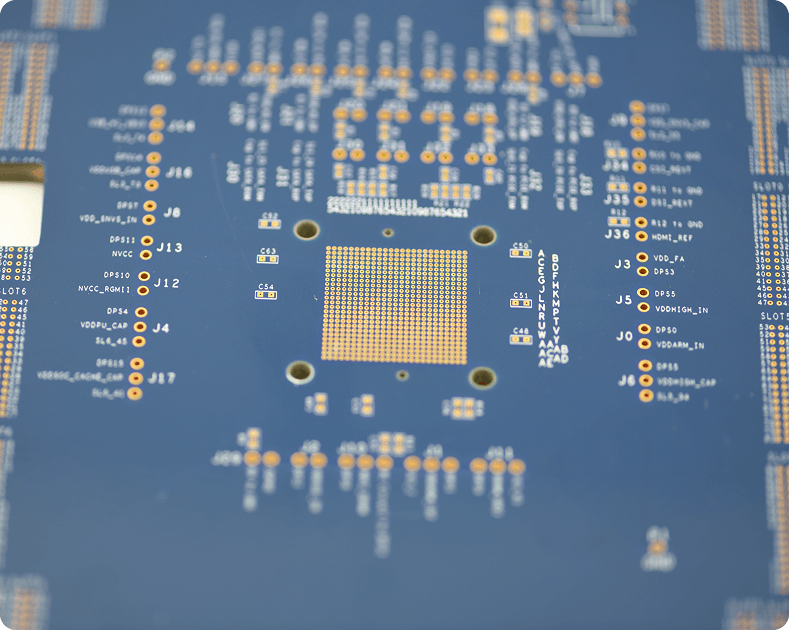
Before releasing Gerber files, run a comprehensive DFM analysis using tools like Valor NPI, Cadence Allegro DFM, or your CM's (Contract Manufacturer) in-house checker. Focus on these high-impact checks:
Component placement density: Keep component spacing ≥0.5mm for standard SMT; tighter pitches require specialized nozzles that add 2–3 days to setup.
Panelization strategy: Design boards in arrays with V-scoring or tab-routing optimized for your CM's equipment. Poor panelization can add 15–20% to assembly time.
Test point accessibility: Ensure 100% electrical test coverage per IPC-9252. Rework due to missed test points adds an average of 3–5 days.
Standardize Your Component Library
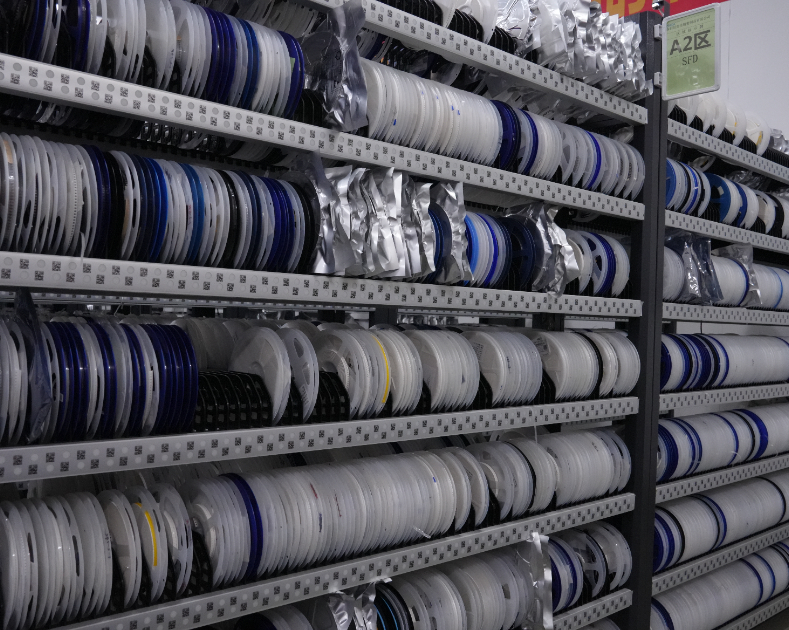
Create an Approved Component List (ACL) with 80/20 logic: 20% of components should cover 80% of your designs. Each new unique component introduces procurement risk and setup time. A well-maintained ACL can reduce BOM validation time from days to hours.
File Submission Best Practices
Submit a complete, error-free package on the first attempt:
Gerber RS-274X with aperture list
IPC-D-356A netlist for electrical testing
Centroid (pick-and-place) file with rotation and layer data
Assembly drawing with polarity markings and special instructions
A first-pass-complete submission reduces engineering review time by 40–60%.
Component availability is the single largest variable in PCB lead times. A 2023 supply chain survey found that component shortages account for 47% of all PCB assembly delays. Here is how to build resilience:
Dual-Source Critical Components
For every component with a lead time >4 weeks, identify at least two qualified suppliers. Map your BOM against real-time inventory data from distributors like Digi-Key, Mouser, and Arrow. Tools like Octopart, SiliconExpert, or IHS Markit can automate this monitoring.
Strategic Buffer Stock
Not all components warrant safety stock. Use an ABC analysis:
A-items (high value, long lead time): 4–6 weeks buffer
B-items (moderate lead time): 2–3 weeks buffer
C-items (commodity, short lead time): Just-in-time ordering
This tiered approach typically reduces inventory carrying costs by 30% compared to blanket safety stock policies.
Consignment vs. Turnkey: Choose Based on Volume
Low volume / high mix: Turnkey sourcing through your CM is faster; they have established vendor relationships and volume leverage.
High volume / stable designs: Consign critical or custom components to eliminate procurement uncertainty.
Embrace Supply Chain Visibility Platforms
Modern platforms like SourceDay, SAP IBP, or Arena Solutions provide real-time visibility into supplier performance, inventory levels, and demand signals. Companies using these tools report 20–35% faster procurement cycles and 50% fewer stockout events.
Once designs are optimized and components secured, the assembly floor is where lead time gains are realized—or lost.
Invest in High-Mix, Low-Volume Automation
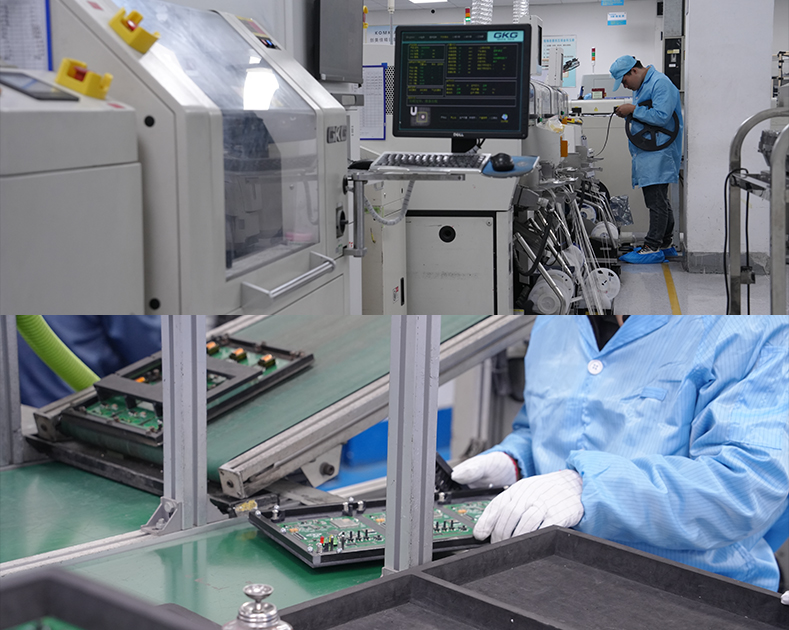
If your product mix changes frequently, consider flexible manufacturing systems (FMS):
Quick-changeover pick-and-place machines (e.g., ASM SIPLACE, Panasonic NPM) with changeover times under 15 minutes
Automatic solder paste inspection (SPI) and automated optical inspection (AOI) to catch defects at source, eliminating downstream rework
Standardize with Digital Work Instructions
Replace paper-based SOPs with electronic work instructions (EWI) on tablets or AR glasses. These systems:
Enforce process compliance through step-by-step validation
Capture real-time cycle time data
Reduce training time for new operators by 60%
Implement Predictive Maintenance
Unplanned downtime is a silent lead time killer. Use IoT sensors and machine learning algorithms to predict equipment failures before they occur. A well-run predictive maintenance program can reduce unplanned downtime by 30–50% and extend equipment life by 20%.
Digital Twin for Process Optimization
Leading manufacturers are using digital twins—virtual replicas of their assembly lines—to simulate production scenarios, optimize line balancing, and validate new product introductions (NPI) without disrupting live production. Early adopters report 15–25% throughput improvements and 20% faster NPI ramp-up.
You cannot improve what you do not measure. Establish a Lead Time Reduction Dashboard tracking these KPIs:
| KPI | Target | Measurement Frequency |
|---|---|---|
| First-pass yield | >98% | Per batch |
| Average assembly cycle time | Baseline -20% YoY | Weekly |
| On-time delivery (OTD) | >95% | Monthly |
| Supplier lead time variance | <10% | Quarterly |
| Engineering change order (ECO) rate | <2% per project |
Per project |
Root Cause Analysis for Every Delay
When a project misses its timeline, conduct a 5-Why analysis within 24 hours. Document findings in a shared knowledge base. Over time, patterns emerge—perhaps a specific component family is consistently late, or a particular design rule causes repeated DFM failures. Systematic root cause analysis can reduce recurring delays by 40% within six months.
Cross-Functional War Rooms
For high-priority projects, establish a daily 15-minute standup involving design, procurement, quality, and production. This practice, borrowed from agile software development, resolves blockers in hours instead of days.
Even with perfect planning, disruptions occur. Build these safeguards into your process:
| Risk | Mitigation Strategy | Lead Time Impact |
|---|---|---|
| Supplier delay | Pre-qualified backup supplier + 4-week buffer stock | Neutralizes 80% of delays |
| Design change mid-production | Formal ECO process with impact assessment gate | Reduces change cycle by 50% |
| Equipment failure | Predictive maintenance + critical spare parts inventory | Cuts downtime by 40% |
| Quality escape | In-line AOI + X-ray inspection + functional test | Prevents 3–5 day rework loops |
| Function | Recommended Tools | Expected Impact |
|---|---|---|
| Design & DFM | Altium Designer, Cadence, Valor NPI | -30% design-to-release time |
| BOM Management | SiliconExpert, IHS Markit, Z2Data | -25% component sourcing time |
| Project Management | Monday.com, Asana, Jira Manufacturing | +30% cross-team visibility |
| Inventory & MRP | Fishbowl, NetSuite, SAP Business One | -20% stockout events |
| Quality Analytics | Minitab, Power BI, Tableau | -15% defect rate YoY |
Conclusion: Lead Time as a Strategic Capability
Reducing PCB assembly lead time is not about working faster—it is about designing smarter, sourcing strategically, manufacturing intelligently, and optimizing continuously. Organizations that treat lead time reduction as a cross-functional strategic initiative, rather than a production-only concern, consistently outperform competitors.
Start with one pillar. Audit your current design-to-delivery process, identify the biggest bottleneck, and apply the relevant framework above. Measure results for 90 days, then scale to the next pillar.
The companies that master lead time reduction today will define the electronics manufacturing standards of tomorrow. The question is not whether you can afford to invest in these strategies—it is whether you can afford not to.
Ready to accelerate your PCB assembly operations? Begin with a free lead time audit of your current process, and identify the top three actions that will deliver the fastest ROI for your specific product mix and volume.
Find Partners, Not Just Suppliers
Expert OEM & PCBA manufacturing tailored to your exact specifications. Contact us today to discuss your project and discover a more collaborative way to manufacture.
Get a Fast Quote & Free DFM Review
Related PCB Assembly Service