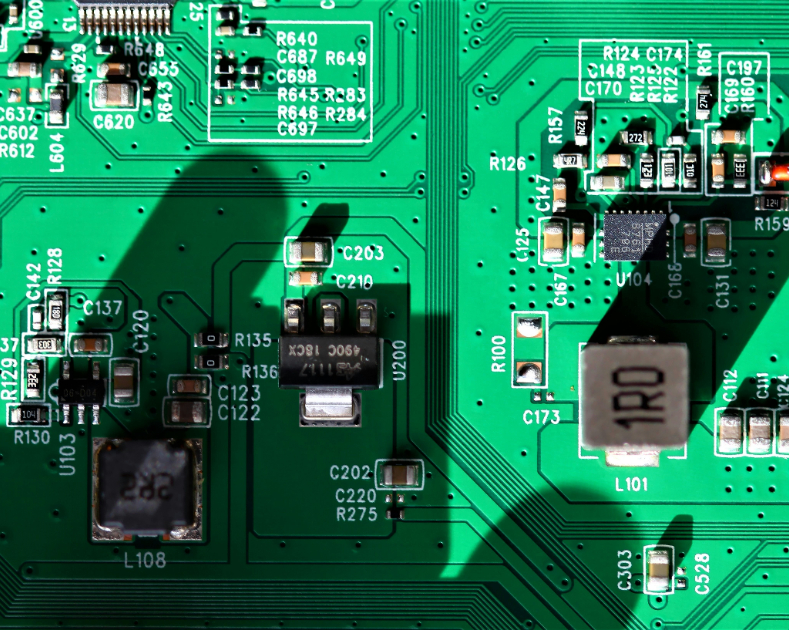
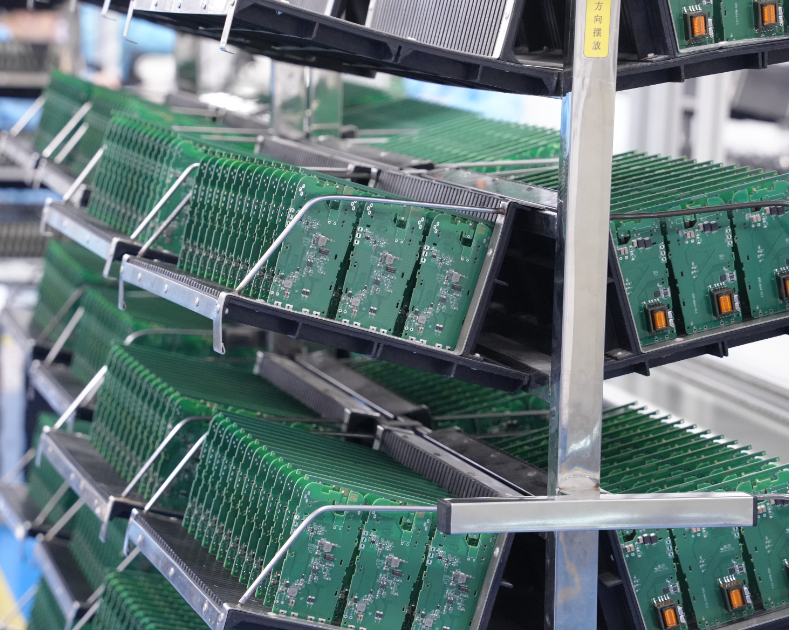
To learn how to evaluate a PCB assembly factory before placing an order, use a documented PCB assembly supplier audit checklist and compare each low-volume PCB assembly manufacturer against measurable criteria. Review the factory’s contract electronics manufacturing process, turnkey PCB assembly capability, and electronics manufacturing services controls, including IPC-A-610 workmanship, AOI inspection coverage, and production traceability. This approach helps you identify hidden tooling fees, weak component controls, poor rework practices, and delivery risks before you release a purchase order.
Many buyers do not have a technical problem at the quotation stage; they have a visibility problem. A factory may offer a low unit price but omit programming, stencil, test fixtures, engineering review, or component substitution costs. Another supplier may provide an attractive lead time but lack enough inspection capacity to detect solder bridging, tombstoning, insufficient solder, or counterfeit components. A structured evaluation converts these risks into evidence that can be compared before money and inventory are committed.

PCB assembly quality affects more than appearance. A single open solder joint can cause an intermittent field failure, while incorrect component polarity can damage a power rail during first startup. The financial impact includes replacement boards, engineering analysis, expedited freight, customer returns, and lost production time.
A useful factory evaluation should answer five practical questions:
- Can the factory build your board repeatedly within the required specification?
- Can it source authentic and traceable components?
- Can it inspect hidden solder joints beneath BGAs, QFNs, and bottom-terminated components?
- Can it control engineering changes, nonconforming material, and rework?
- Can it deliver the required quantity at the agreed quality level and date?
Do not judge a supplier solely by a factory tour, polished website, or low quotation. A capable PCB assembly partner should provide records, process data, sample reports, and clear commercial terms.
Why a PCB Assembly Factory Evaluation Matters
Prepare the same technical package for every factory. Comparing suppliers using different information creates misleading quotations and makes it difficult to determine whether a price difference reflects real capability or missing scope.
PCB Assembly Supplier Audit Checklist: Required Preparation
- Bill of materials: Include manufacturer part numbers, descriptions, package types, quantities per board, approved alternates, and lifecycle status.
- Gerber or ODB++ files: Supply the latest fabrication and assembly data, including copper layers, solder mask, silkscreen, paste layers, board outline, and drill files.
- Centroid or pick-and-place file: Include reference designators, X/Y coordinates, rotation, and component side.
- Assembly drawings: Mark polarity, orientation, keep-out zones, connector positions, and special mechanical requirements.
- Test requirements: State whether you need flying-probe testing, in-circuit testing, functional testing, boundary scan, programming, or burn-in.
- Quality requirements: Specify IPC-A-610 class, RoHS or REACH compliance, acceptable workmanship limits, and any customer-specific standards.
- Forecast and order quantities: Separate prototype, pilot, and mass-production volumes because each requires different line planning and test economics.
Documents to Prepare for a PCB Assembly Factory Review
Create a supplier comparison spreadsheet with separate columns for price, lead time, setup fees, stencil charges, component sourcing, inspection, testing, shipping, warranty, and payment terms. Score each item from 0 to 5, but keep the original evidence beside the score.
Useful tools include:
- A BOM comparison sheet with manufacturer part numbers and approved alternatives.
- A risk register listing obsolete, single-source, moisture-sensitive, or long-lead components.
- A sample quality report showing SPI, AOI, X-ray, and functional-test results.
- A supplier questionnaire covering ISO 9001, ESD control, calibration, traceability, and nonconforming product handling.
- A production schedule showing engineering review, procurement, SMT, through-hole assembly, inspection, testing, and shipping.
Tools for Comparing a Low-Volume PCB Assembly Manufacturer
How to Evaluate PCB Assembly Factory Capabilities Step by Step
Ask for the current ISO 9001 certificate, certificate scope, issuing body, and expiration date. ISO 9001 demonstrates that a documented quality management system exists, but it does not by itself prove that every assembly process is strong. Ask how the factory applies its quality system to incoming inspection, SMT placement, soldering, testing, rework, and shipment release.
Also confirm whether the factory controls:
- Engineering change notices and revision levels.
- Approved vendor lists and component substitutions.
- Nonconforming material reports and corrective actions.
- Calibration records for inspection and test equipment.
- ESD control according to ANSI/ESD S20.20 or an equivalent internal standard.
- Moisture-sensitive device storage and floor-life tracking.
A strong answer includes a procedure number, responsible department, record retention period, and example report. “Our quality team checks everything” is not sufficient evidence.
1. Verify the PCB Assembly Factory’s Quality System
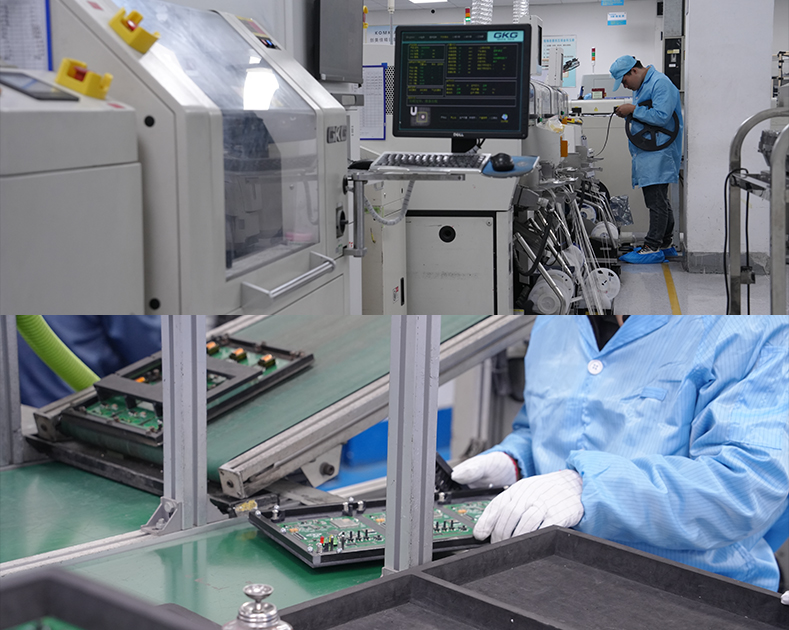
Request the equipment list, model numbers, installation dates, and maintenance status. The list should cover solder paste printing, component placement, reflow, optical inspection, selective or wave soldering, cleaning if required, and testing.
Important capability questions include:
- What is the smallest component package routinely placed: 0201 metric, 01005, or another size?
- What is the maximum PCB size and thickness?
- Can the line process fine-pitch QFP, BGA, QFN, LGA, press-fit, and through-hole parts?
- How does the factory control solder paste temperature, storage time, and stencil life?
- What reflow profile is recorded for lead-free SAC305 solder?
- Can the line handle odd-form components, connectors, shields, and heat sinks?
For lead-free soldering, the factory should be able to provide a reflow profile with measured zones, peak temperature, time above liquidus, and ramp rates. The exact limits depend on the solder paste and component supplier, but a typical SAC305 process may use a peak temperature around 235–250°C and a time above liquidus near 217°C of approximately 45–90 seconds. The approved paste datasheet, not a generic number, should control the process.
2. Check SMT and Through-Hole Equipment
Inspection must match the risk of the board. A visual inspection alone cannot reliably verify hidden BGA joints or solder beneath a QFN thermal pad.
| Inspection or Test | What It Detects | Questions to Ask |
|---|---|---|
| SPI | Solder paste height, area, volume, offset, and bridging risk | Is SPI performed before placement, and are limits linked to the solder paste datasheet? |
| AOI | Missing parts, polarity errors, wrong orientation, solder bridges, and visible solder defects | What is the program approval method, false-call rate, and inspection coverage? |
| X-ray | BGA voiding, hidden opens, QFN solder coverage, and internal solder defects | Is X-ray available in-house, and what percentage of hidden-joint boards is inspected? |
| ICT or flying probe | Electrical shorts, opens, resistance, capacitance, and some component values | Who pays for the fixture, and who owns the test program? |
| Functional test | Real operating behavior under defined inputs, outputs, firmware, and loads | Can the factory control test software revisions and record pass/fail data? |
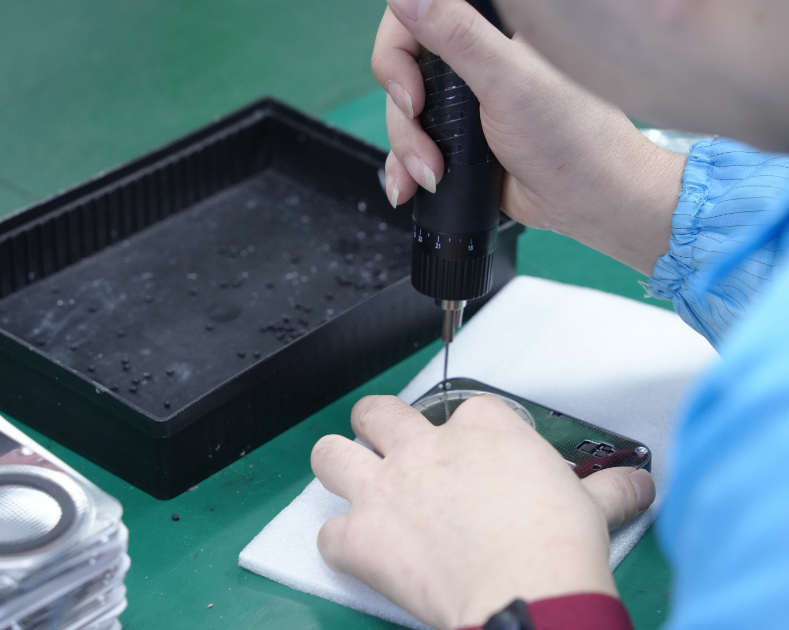
Ask for a redacted sample report. It should show the board revision, serial number or lot number, inspection date, defect description, disposition, and operator or system identification. A report that only states “passed” provides less useful evidence than a report containing measurable results.
3. Review Inspection Coverage at the PCB Assembly Factory
4. Audit Component Sourcing and Traceability
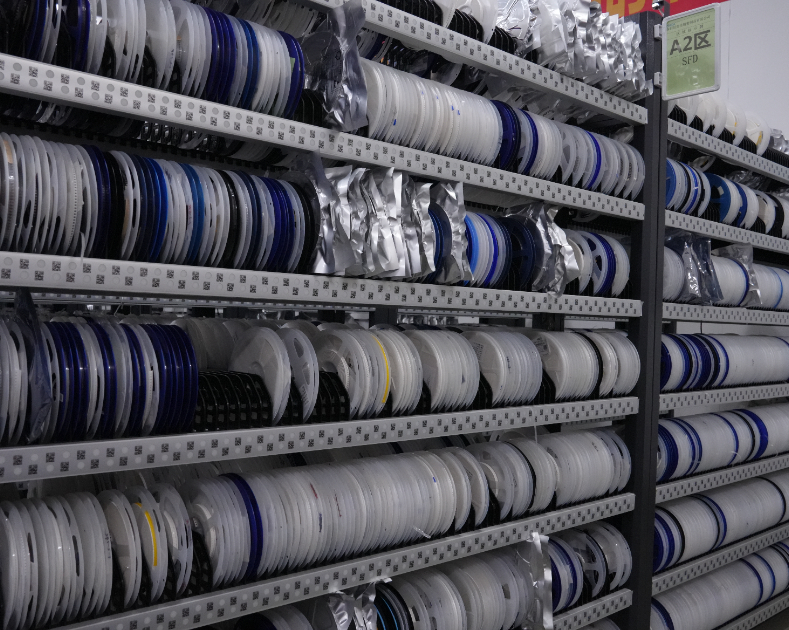
Component quality is a major source of PCB assembly risk. Ask whether the factory buys directly from authorized distributors, franchised manufacturers, or independent brokers. If brokers are used, request the incoming inspection method, certificate review process, date-code policy, and counterfeit-risk controls.
Traceability should connect the finished board to:
- PCB lot and fabrication date.
- Component manufacturer and lot or date code.
- Incoming inspection record.
- SMT line and machine program revision.
- Reflow profile and inspection results.
- Rework, repair, and final test history.
- Shipment carton, quantity, and serial number where applicable.
For high-reliability products, ask for a sample material traceability report with sensitive commercial information removed. Confirm how long records are retained. Medical, automotive, aerospace, and industrial customers may require longer retention periods than consumer products.
5. Evaluate DFM and DFA Engineering Support
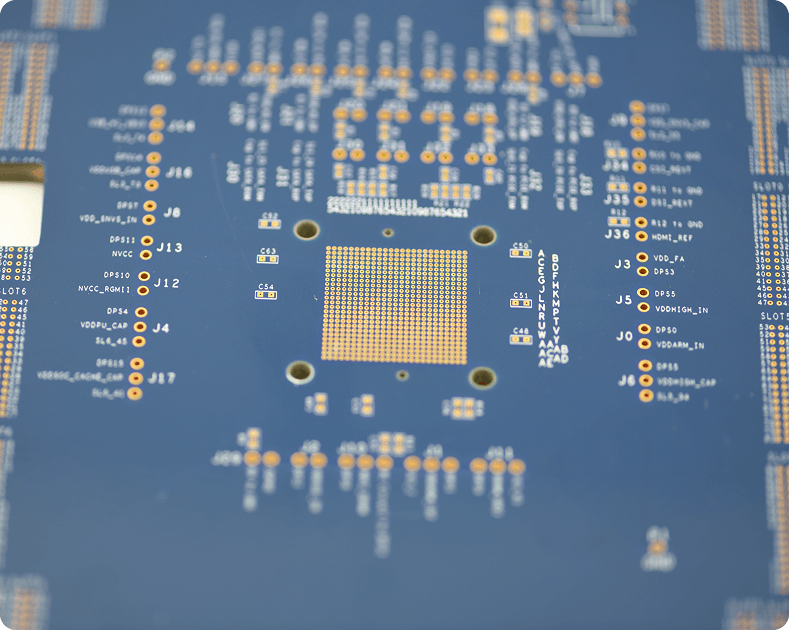
A factory should review your design before production rather than discover problems after the stencil is made. Request a written DFM report covering annular rings, solder-mask expansion, pad geometry, component spacing, fiducials, panelization, thermal relief, via-in-pad treatment, and test-point access.
Typical design issues include:
- Insufficient spacing between fine-pitch pads and copper features.
- Large thermal masses that create cold solder joints.
- Connectors placed too close to the PCB edge or tooling holes.
- Missing global or local fiducials for accurate placement.
- Uncontrolled solder paste openings beneath QFN or exposed-pad packages.
- Test points that are inaccessible to flying-probe or ICT equipment.
- Component substitutions that change electrical, mechanical, or thermal performance.
Do not accept a substitution solely because the replacement has the same nominal value. Check package dimensions, voltage rating, tolerance, temperature range, dielectric, pinout, firmware compatibility, and regulatory status.
6. Validate Capacity and Delivery Performance
Ask the supplier to explain the complete lead-time calculation. A quoted “10-day lead time” may begin after all components arrive, while your project schedule may begin when the purchase order is released.
Separate the schedule into:
- BOM and data review.
- Component procurement.
- PCB fabrication.
- Stencil and tooling preparation.
- SMT and through-hole assembly.
- Programming and testing.
- Quality release and packaging.
- Transportation and customs clearance.
Request historical on-time delivery data for a comparable product category. A useful metric is on-time delivery percentage, calculated as orders delivered on or before the agreed date divided by total orders. Also ask for first-pass yield, defect rate, rework rate, and customer complaint response time. If a supplier cannot share exact customer data, it can usually provide anonymized monthly ranges.
7. Review the Quotation and Total Cost
Compare total landed cost, not only the assembly price. The quotation should identify:
- PCB fabrication cost.
- Component cost and sourcing markup.
- SMT placement and through-hole labor.
- Stencil, tooling, fixture, and programming charges.
- Inspection and test charges.
- Engineering or NPI fees.
- Packaging, freight, taxes, and customs responsibilities.
- Scrap, excess, and shortage handling.
- Warranty terms and return-material authorization procedures.
A low unit price can become expensive if the factory uses a high minimum order quantity, charges for every engineering revision, or requires you to purchase excess components without a clear ownership policy.
PCB Assembly Factory User Cases: What Buyers Commonly Discover
Case 1: A Prototype Buyer Avoided a BGA Inspection Gap
In an anonymized buyer report, a hardware startup compared two suppliers for a controller board containing a 0.5 mm-pitch BGA. The lower quotation included visual inspection and AOI but did not include X-ray inspection. During the technical review, the buyer asked for hidden-joint coverage and learned that X-ray was outsourced with a two-day delay. The startup selected a supplier with in-house 2D X-ray and added a defined sampling plan to the purchase order.
The important lesson was not that every board requires 100% X-ray inspection. The lesson was that inspection capability must be identified before ordering. The buyer also requested X-ray images for the first article and established acceptance criteria for voiding, opens, and solder coverage.
Case 2: A Small Electronics Brand Reduced Delivery Risk by Separating Lead Times
A small electronics brand reported that its first supplier promised a 12-calendar-day assembly schedule but did not include a six-week lead time for a power-management IC. The assembly line was available, but production could not start because one component was missing. In the next sourcing cycle, the buyer required a BOM risk report, approved alternates, and a component-arrival schedule before approving the build.
This changed the discussion from “Can you assemble in 12 days?” to “Which materials are available, which are constrained, and what is the earliest realistic ship date?” That distinction is especially important for low-volume PCB assembly, where a single missing component can stop the entire batch.
Case 3: A Design Team Found a Test-Point Problem Before Production
In another documented project summary shared by a product team, the original PCB layout had no accessible test points for several power nets because the designer expected functional testing to be sufficient. The assembly factory’s DFM and DFA review showed that a flying-probe program would require access points and that adding them after fabrication would be impossible.
The design team added test pads during the revision stage and reduced manual probing during pilot production. The direct benefit was not simply lower labor cost; it was a more repeatable test method with clearer failure isolation.
Common PCB Assembly Factory Evaluation Errors and Solutions
Error 1: Choosing the Lowest Unit Price
Problem: The quotation excludes testing, engineering review, component inspection, or shipping.
Solution: Request a line-item quotation and calculate total landed cost for the same quantity, board revision, component scope, and test requirements.
Error 2: Treating ISO Certification as Proof of Technical Capability
Problem: ISO 9001 confirms a quality management framework but does not prove BGA, microvia, high-voltage, RF, or conformal-coating expertise.
Solution: Request examples of similar assemblies, equipment capability, inspection reports, and process controls relevant to your product.
Error 3: Ignoring Component Authenticity
Problem: A factory buys from an unknown broker because the part is cheaper or immediately available.
Solution: Define authorized-source requirements, require approval for alternates, and request certificates, date codes, incoming inspection records, and traceability.
Error 4: Accepting “100% Tested” Without a Test Definition
Problem: “Tested” may mean a brief visual check rather than electrical or functional verification.
Solution: Specify test coverage, test limits, fixture ownership, software version control, data retention, and failure handling.
Error 5: Failing to Control Revision Changes
Problem: An outdated BOM, Gerber file, or pick-and-place file reaches production.
Solution: Use a controlled release package with revision numbers, approval signatures, file hashes where appropriate, and a written change-notification process.
Error 6: Not Defining Rework and Warranty Terms
Problem: The supplier repairs defects without recording the root cause or charges for defects attributable to its process.
Solution: Define acceptance criteria, defect classification, rework authorization, corrective-action timing, warranty period, and return-material procedures before production.
Questions to Ask a PCB Assembly Factory Before the Purchase Order
- Which IPC-A-610 class do you build to, and how is operator certification maintained?
- What percentage of assemblies receive SPI, AOI, X-ray, ICT, or functional testing?
- Can you provide an anonymized first-article inspection report?
- How do you handle component substitutions and customer approval?
- What is your process for moisture-sensitive devices?
- How are machine programs and production files revision-controlled?
- What traceability information is available for each finished board?
- How do you calculate lead time when components are on allocation?
- What are your typical first-pass yield, rework rate, and on-time delivery figures for similar work?
- Who owns stencils, fixtures, test programs, excess components, and production data?
- What happens if a board fails functional testing?
- Can you support pilot quantities and later production scaling?
How Benewave Can Fit into a PCB Assembly Supplier Evaluation
When considering Benewave or another PCB assembly supplier, use the same evidence-based process: send the controlled BOM and layout package, request a DFM report, confirm sourcing channels, define inspection coverage, and review the manufacturing schedule before approving production. A supplier should be able to explain its SMT process, component traceability, AOI and X-ray options, testing method, and corrective-action workflow in specific terms.
The best supplier is not automatically the largest factory or the cheapest bidder. It is the factory that can demonstrate repeatable process control for your board, communicate constraints before they become delays, and provide records that allow you to verify what happened during production.
Final PCB Assembly Factory Recommendations
Before placing an order, complete a documented supplier comparison, validate the technical package, and approve a pilot or first article when the product is new. Evaluate PCB assembly quality using measurable evidence such as IPC-A-610 acceptance criteria, SPI and AOI records, X-ray coverage, first-pass yield, defect rate, traceability depth, and on-time delivery percentage. For the most reliable PCB assembly supplier audit checklist, combine a DFM review, component authenticity controls, functional testing, and a written corrective-action process. Whether you choose Benewave or another low-volume PCB assembly manufacturer, these controls provide a practical foundation for turnkey PCB assembly, contract electronics manufacturing, and long-term electronics manufacturing services.
FAQ About Evaluating a PCB Assembly Factory
How do I evaluate a PCB assembly factory for a prototype?
Check whether the factory supports small quantities, engineering changes, quick-turn sourcing, DFM review, stencil production, AOI, and functional testing. Confirm prototype pricing separately from mass-production pricing because setup and engineering costs may represent a larger percentage of a small order.
What certifications should a PCB assembly supplier have?
ISO 9001 is a common baseline. Depending on the product, you may also need ISO 13485 for medical devices, IATF 16949 for automotive applications, AS9100 for aerospace, or specific ESD and environmental compliance documentation. Certification should be verified against the factory location and certificate scope.
Is AOI inspection enough for PCB assembly?
No. AOI detects many visible placement and soldering defects, but it cannot reliably inspect hidden BGA joints or some QFN connections. Boards with hidden solder joints may require X-ray, while electrical and functional requirements may require ICT, flying probe, boundary scan, or functional testing.
What first-pass yield should I expect?
The appropriate target depends on board complexity, package density, solder technology, and production maturity. Ask for the factory’s definition of first-pass yield and comparable historical data rather than accepting an unexplained percentage. A meaningful report should distinguish assembly defects, component defects, test failures, and customer-induced issues.
How can I reduce PCB assembly lead time?
Release complete and revision-controlled files, approve alternates early, identify long-lead components, use standard packages where possible, and confirm test requirements before quoting. A factory cannot compensate for an unavailable component or an incomplete functional-test specification simply by adding more assembly labor.
Should I visit the PCB assembly factory?
A visit is useful for larger programs, high-reliability products, or suppliers handling sensitive intellectual property. During the visit, observe ESD controls, material labeling, line cleanliness, inspection stations, rework areas, calibration labels, and how operators access work instructions. If a visit is not practical, request a live video audit and controlled sample records.
What should be included in the PCB assembly purchase order?
Include the board revision, BOM revision, quantity, delivery date, inspection standard, testing scope, approved component sources, substitution approval rules, packaging requirements, traceability requirements, acceptance criteria, warranty terms, and responsibility for excess or shortage material. Clear purchase-order language prevents commercial assumptions from replacing technical requirements.