Phone: +86-137 5102 2384
Phone: +86-137 5102 2384
Aug. 12, 2026
Share:
Choosing the right PCB assembly manufacturer affects product quality, development speed, compliance, cost, and long term supply stability. A reliable partner should do more than place components on a board. The manufacturer should understand your design, identify production risks, control quality, manage materials, and deliver consistent assemblies on schedule.
This guide explains how to compare manufacturers step by step, which questions to ask, which documents and tools to prepare, and which purchasing mistakes to avoid. It also shows how a supplier such as Benewave can support one stop pcb assembly from engineering review through volume production.
The first step is to convert your product goals into measurable manufacturing requirements. Purchasing teams often request quotations too early, before confirming the board specifications, production quantity, testing needs, and delivery expectations. Incomplete information produces inaccurate prices and later engineering changes.
Prepare a short project brief that includes the following information:
Decide whether you need only surface mount technology assembly or a complete manufacturing service. Your requirements may include:
Mark each requirement as mandatory, preferred, or optional. This helps the purchasing group compare suppliers objectively instead of choosing the lowest quote without considering technical risk.
The second major concern for purchasing teams is finding suppliers that are technically capable and commercially dependable. A manufacturer may advertise low prices but lack the equipment, staff, or quality systems needed for your product. Build a shortlist using objective evidence rather than website claims alone.
Use specific search terms related to your project. For example:
Review the manufacturer's case studies, equipment list, certifications, industries served, and typical order sizes. Give more weight to experience with boards similar to yours than to general claims about total production capacity.
Ask the supplier for specific examples involving:
Confirm whether the supplier manufactures in its own facility or subcontracts major operations. Subcontracting is not automatically a problem, but it can create communication, quality, and traceability risks.
Ask these questions:
A PCB assembly supplier must be able to manufacture your design repeatedly, not merely complete one prototype. Engineering capability is especially important when the design contains dense routing, thermal parts, fine pitch components, or difficult-to-source devices.
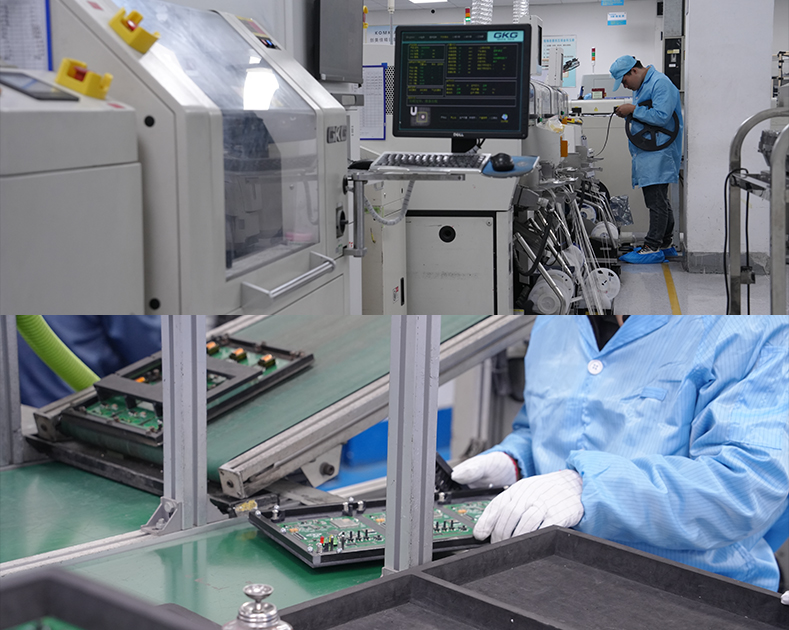
Request a current equipment and process summary. Important capabilities include:
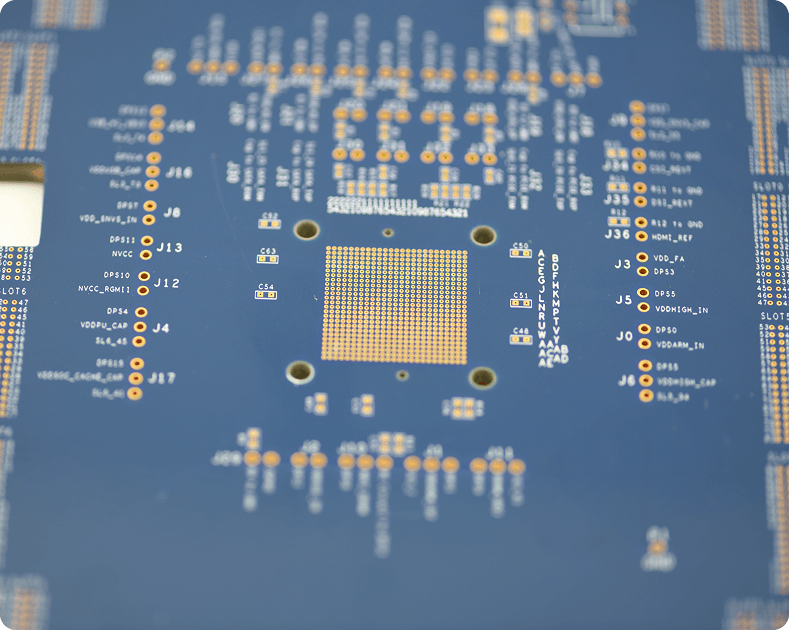
Request a documented design for manufacturability review before production. The supplier should check the design for problems that could cause defects, delays, or added cost.
A useful DFM review should examine:
A supplier that can build ten boards may not be able to produce ten thousand boards with the same yield and delivery performance. Ask how the manufacturer manages the transition from prototype to production.
Confirm the following:
Quality is one of the main purchasing pain points because a low unit price becomes expensive when defective boards cause rework, field returns, or production shutdowns. A qualified manufacturer should provide evidence of preventive quality control, not only final visual inspection.
Ask for current copies of certifications that apply to your product and market. Depending on the application, relevant systems may include:
Do not evaluate certifications in isolation. Ask how the supplier applies documented procedures to incoming inspection, production control, nonconforming material, corrective action, and final release.
Ask the manufacturer to provide a quality control plan for your project. A typical plan may include:
Traceability allows you to identify the material, process, operator, machine, and inspection result associated with each assembly. Ask whether the supplier records:
Price comparison is difficult because PCB assembly quotations may include different materials, processes, labor assumptions, testing, tooling, and shipping terms. Purchasing teams should compare total landed cost rather than the lowest line item.
Provide the manufacturer with the same information used by every shortlisted supplier. A complete package normally includes:
Ask the supplier to separate the following costs:
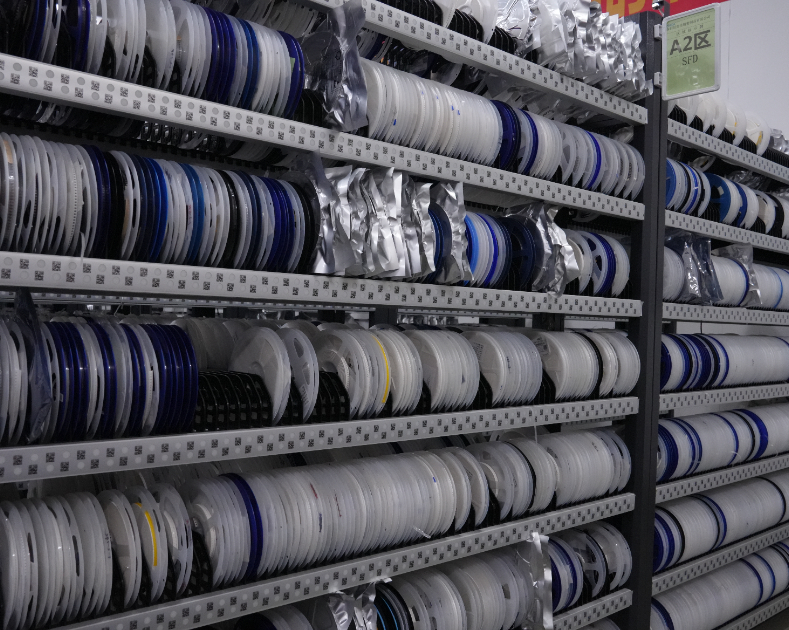
Component availability has a direct effect on production schedules. Ask whether the supplier uses authorized distributors, approved independent distributors, or broker sources. Define how counterfeit prevention and excess material are managed.
Confirm the following material policies:
Review payment terms, quotation validity, minimum order quantities, warranty coverage, delivery terms, and responsibility for defective materials. A slightly higher unit price may provide a lower total risk if it includes better sourcing, testing, and support.
Supplier claims should be verified through actual production. A sample build or pilot run reveals the manufacturer's communication quality, documentation discipline, production controls, and response to problems.
Before placing the order, hold a meeting with engineering, purchasing, quality, and the supplier's project team. Review:
For the first build, define acceptance criteria before production begins. The first article package may include assembly photographs, inspection reports, test results, material certificates, and a list of approved deviations.
Track objective results instead of relying on a general statement that the build was successful. Useful measurements include:
Use a supplier scorecard after the pilot build. Approve the supplier only when technical, quality, commercial, and communication requirements are all met. If issues are correctable, request a corrective action plan with owners and deadlines before moving to volume production.
A scorecard reduces personal bias and makes the final decision easier to explain to management. It also helps purchasing teams avoid choosing a supplier based on price alone.
| Category | Suggested questions | Suggested weight |
|---|---|---|
| Technical capability | Can the supplier assemble the board technology and component packages? | 20 percent |
| Quality system | Are inspection, testing, traceability, and corrective action documented? | 20 percent |
| Material sourcing | Can the supplier secure authentic parts within the required schedule? | 15 percent |
| Delivery performance | Is the production capacity sufficient for prototypes and future volume? | 15 percent |
| Engineering support | Does the supplier provide useful DFM feedback and problem solving? | 10 percent |
| Total cost | Does the quotation include all required services and predictable costs? | 10 percent |
| Communication and risk | Are response times, escalation paths, and business continuity clear? | 10 percent |
Using the correct tools improves quotation accuracy, speeds up engineering communication, and reduces avoidable production delays. The following checklist is useful for most PCB assembly projects.
Many project delays come from preventable purchasing decisions. These mistakes usually occur when the supplier is selected before requirements are complete or when commercial price is treated as the only decision factor.
A low quote may exclude testing, tooling, programming, special inspection, material handling, or freight. Compare line items and total landed cost before making a decision.
Different file revisions can cause wrong component placement, incorrect board fabrication, or production stoppages. Use a controlled release package with revision numbers and an approval record.
A board cannot be completed without all critical parts. Request a component availability review before confirming the production schedule. Approve alternatives early when original parts have long lead times.
Visual inspection cannot identify every electrical or functional problem. Define in-circuit testing, flying probe testing, programming, functional testing, and acceptance limits before production.
Prototype work and volume production require different levels of process control, capacity, and material planning. Confirm that the supplier can maintain yield, traceability, and delivery performance at the expected volume.
Even a similar component can change electrical performance, thermal behavior, firmware compatibility, or regulatory compliance. Require written approval for every substitution and keep the approved part list under revision control.
Use nondisclosure agreements, controlled file access, clear ownership terms, and secure communication channels. Confirm how design files, test software, and customer-owned materials are protected.
Quality problems can occur in any manufacturing program. Agree in advance on defect notification, containment, root cause analysis, replacement, rework, cost responsibility, and corrective action deadlines.
The final supplier decision should be based on evidence collected during technical review, quotation comparison, audit, and pilot production. A dependable PCB assembly manufacturer should be able to demonstrate capability rather than simply promise it.
The best PCB assembly manufacturer is not necessarily the supplier with the lowest initial quote. The right partner combines engineering support, reliable component sourcing, documented quality control, accurate testing, transparent communication, and scalable production capacity.
Use a complete project specification, compare suppliers with a scorecard, verify the production process through a pilot run, and define quality and commercial responsibilities before volume production. This approach helps reduce hidden costs, late deliveries, material problems, and field failures.
For companies seeking one stop pcb assembly support, Benewave can help coordinate engineering review, component sourcing, PCB assembly, inspection, testing, and production delivery through one controlled manufacturing process. Select a partner that can support your project from the first prototype to stable volume production.
Find Partners, Not Just Suppliers
Expert OEM & PCBA manufacturing tailored to your exact specifications. Contact us today to discuss your project and discover a more collaborative way to manufacture.
Get a Fast Quote & Free DFM Review
Related PCB Assembly Service