Phone: +86-137 5102 2384
Phone: +86-137 5102 2384
Jun. 09, 2026
Share:
In the world of Electronics Manufacturing Services (EMS), quality control (QC) is the defining line between a successful product launch and a costly recall. For high-tier manufacturers, control isn't an afterthought—it is baked into every single stage of the Printed Circuit Board Assembly (PCBA) process.
Here is a step-by-step breakdown of how leading EMS providers manage, monitor, and ensure PCBA quality from start to finish.
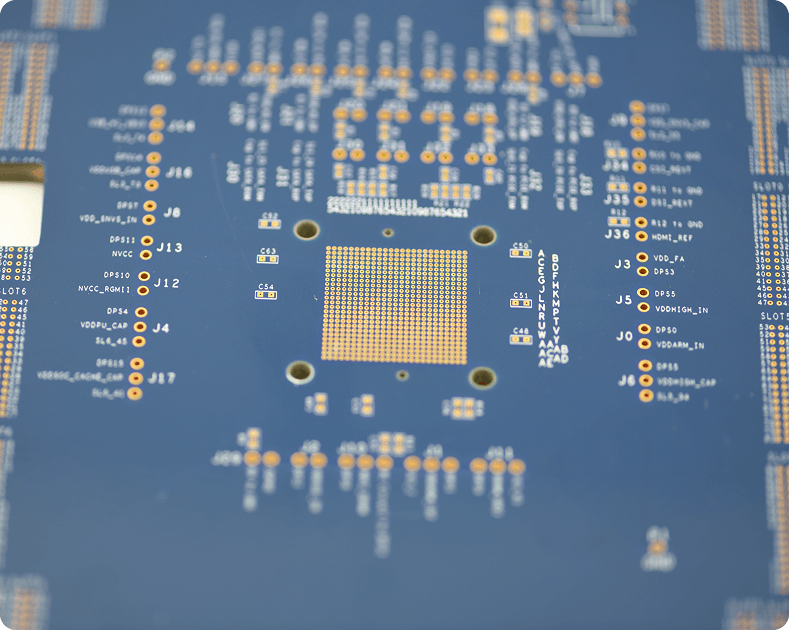
Before a single component is placed on a board, quality benchmarks must be clearly established. This involves aligning production with international certifications such as ISO 9001 and IPC-A-610 (the global gold standard for electronic assembly acceptability). Doing so defines the exact acceptable tolerances for solder joints, component alignment, and board cleanliness.
A robust QMS outlines standard operating procedures (SOPs) and clear responsibilities across the factory floor. This systematic approach guarantees consistency, ensuring that every batch of PCBs—whether a prototype of 10 or a mass production run of 10,000—meets the same rigorous requirements.
An effective QC workflow combines visual, optical, and electrical testing to catch defects at various crucial assembly stages:
Automated Optical Inspection (AOI): High-speed cameras scan the surface for missing components, polarity errors, and solder bridges.
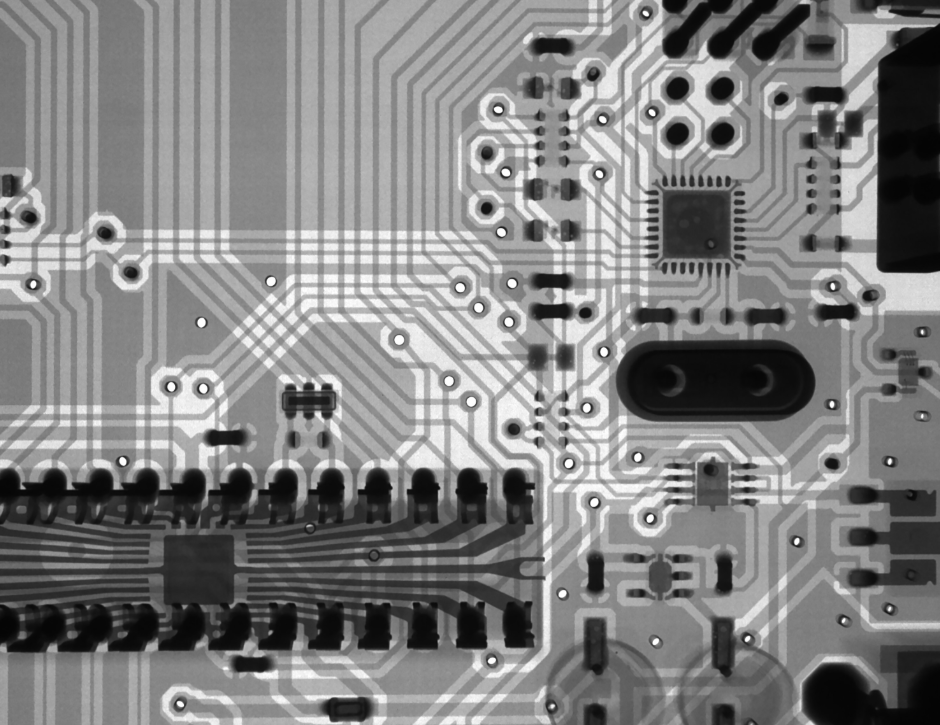
X-Ray Inspection (AXI): Peers inside complex packages like BGAs (Ball Grid Arrays) to inspect hidden solder joints that the human eye or standard AOI cannot see.
Functional Testing (FCT): Simulates the final operating environment to ensure the board meets all electrical specifications and performs flawlessly under real-world conditions.
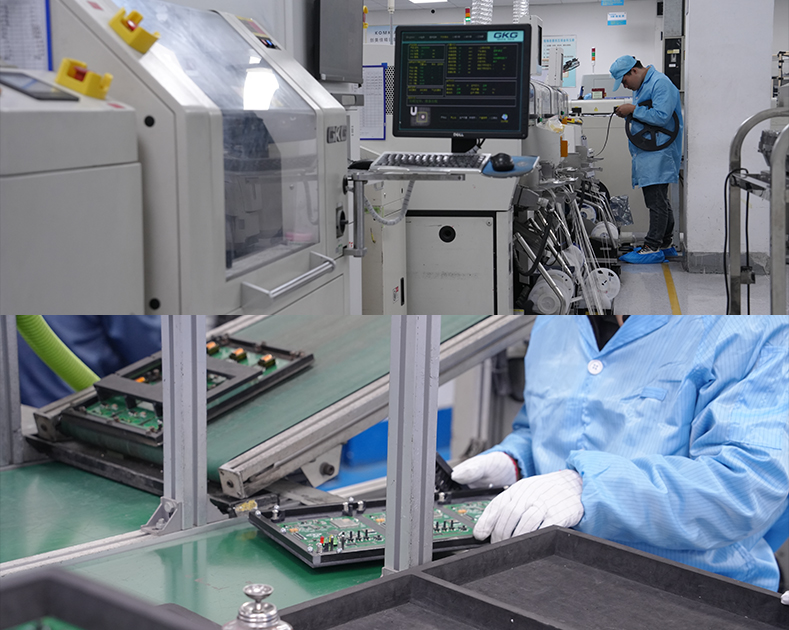
Quality control is not just a post-production check. Utilizing real-time data analytics allows engineers to monitor the assembly line continuously, spotting and rectifying minor process drifts before they turn into actual product defects.
To execute a world-class QC process, a top-tier EMS factory relies on a synergy of precision hardware and advanced data software:
Required Hardware Machinery: High-speed 3D AOI machines, X-ray machinery, In-Circuit Testers (ICT), and specialized measurement tools such as digital calipers and micrometers.
Quality Management Software: Factory-wide MES (Manufacturing Execution Systems) and SPC (Statistical Process Control) software solutions that assist in tracking defects, monitoring yield metrics, and ensuring full component traceability.
Stale Standards: Neglecting to update quality checklists and QC profiles when IPC standards evolve or design revisions occur.
The "Minor Defect" Trap: Overlooking minor cosmetic anomalies that could eventually cause field failures later under thermal or mechanical stress.
Insufficient Training: Relying too heavily on automated machines without having certified IPC specialists to interpret the data and run the lines.
When executed correctly, stringent quality control delivers massive commercial advantages:
Reducing Costs and Improving Efficiency: Finding a defect during AOI costs pennies; finding it after the product ships costs thousands. Effective QC minimizes defects, reduces rework costs, and streamlines production.
Enhancing Customer Satisfaction: Consistently reliable products build long-term brand equity, enhancing customer satisfaction and trust in your marketplace.
Mastering the PCBA quality control process is what differentiates industry leaders from the rest. For EMS manufacturers like Benewave, maintaining these rigid standards is at the core of every project we undertake.
Find Partners, Not Just Suppliers
Expert OEM & PCBA manufacturing tailored to your exact specifications. Contact us today to discuss your project and discover a more collaborative way to manufacture.
Get a Fast Quote & Free DFM Review
Related PCB Assembly Service