Phone: +86-137 5102 2384
Phone: +86-137 5102 2384
Jun. 16, 2026
Share:
In the fast-paced world of electronics manufacturing, managing your Bill of Materials (BOM) is not just an administrative task—it is a critical driver of both production cost and product quality. For hardware start-ups, enterprise procurement managers, and overseas distributors alike, effective BOM management streamlines assembly, eliminates manufacturing waste, and prevents costly delays.
This article outlines how optimizing your BOM management safeguards your budget and product integrity, providing a step-by-step roadmap to procurement efficiency.
A Bill of Materials is the definitive blueprint of your product. It is a comprehensive index of every physical component, raw material, sub-assembly, and fastener required to manufacture a completed printed circuit board assembly (PCBA).
Inaccuracies in this document—such as incorrect package sizes, obsolete part numbers, or vague descriptions—reverberate throughout the entire supply chain. A single digit error in a Manufacturer Part Number (MPN) can result in:
Costly line-down time at the assembly plant.
Wasted materials and scrapped boards.
Missed market windows due to emergency redesign cycles.
Conversely, a highly optimized, dynamically managed BOM serves as a reliable source of truth that accelerates procurement, simplifies quality control, and ensures repeatable manufacturing quality.
To transition your BOM from a simple spreadsheet to a high-performance procurement asset, ensure it contains the following essential columns:
| BOM Column Header | Technical Description | Why It Is Critical for Cost & Quality |
| Manufacturer Part Number (MPN) | The absolute, unique identifier assigned by the component maker. | Eliminates ambiguity. Prevents the purchasing of incorrect packages or pin configurations. |
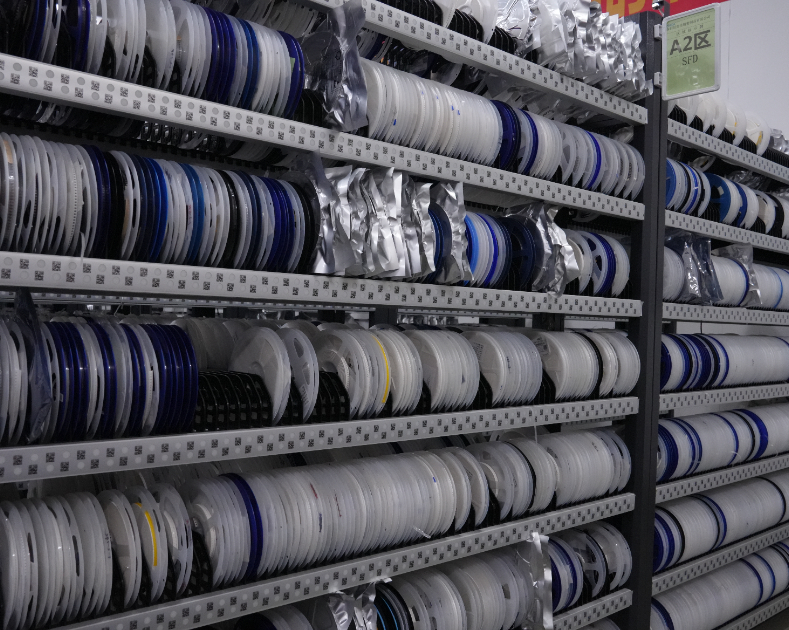
| Internal Part Number (IPN) | Your company’s internal tracking code for the component. | Essential for inventory tracking, ERP alignment, and managing in-house stock. |
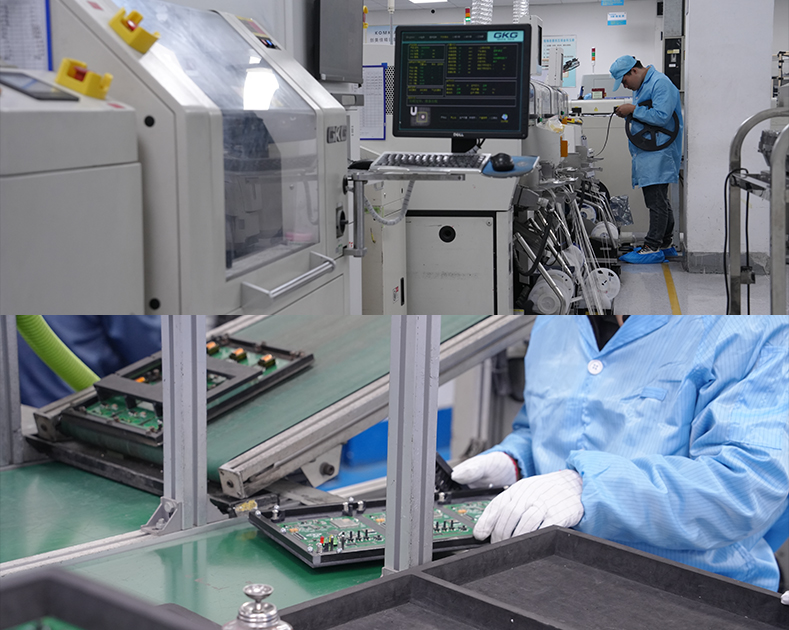
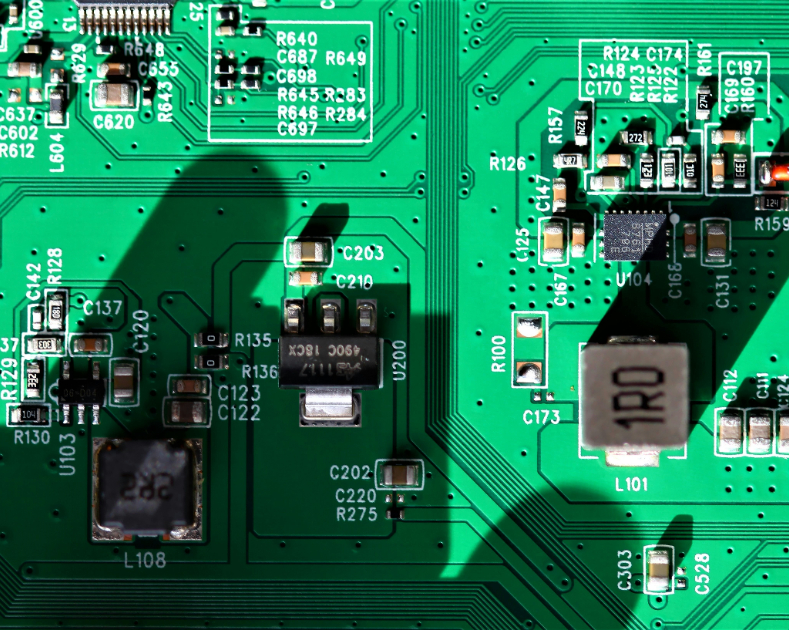
| Reference Designator | The component’s schematic location (e.g., R101, C202, U301). | Directs the pick-and-place machines on exactly where to mount the part during assembly. |
| Description & Key Specs | Detailed technical parameters (e.g., 10KΩ, 0603, 1%, 1/10W). | Allows engineering and procurement to quickly verify and source functional equivalents if needed. |
| Quantity per Board (Qty) | The exact count of the specific component used per single PCBA. | Prevents component shortages or excessive holding costs of dead inventory. |
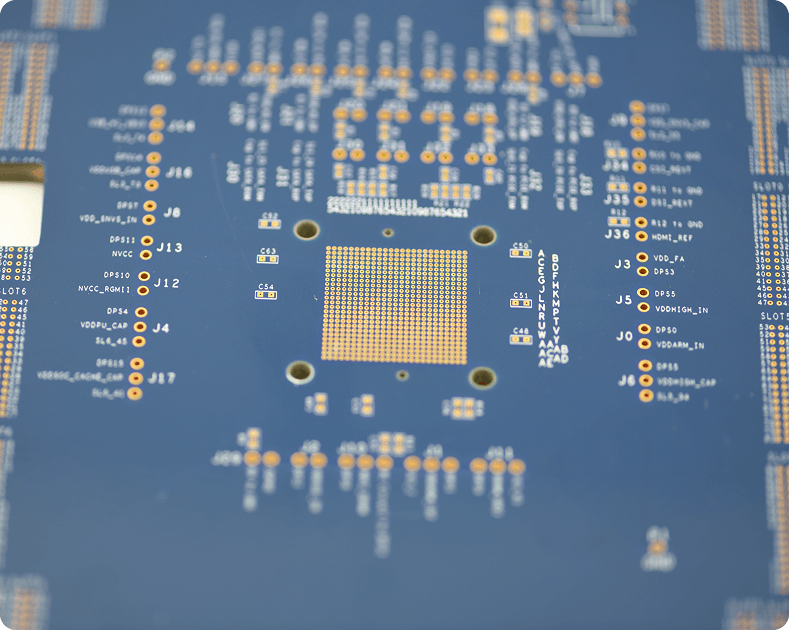
| Footprint / Package | The physical landing pattern size (e.g., 0402, QFN-24, SOT-23). | Ensures the physical part matches the copper pads on the fabricated PCB. |
| Approved Vendor List (AVL) / Alternates | Pre-vetted secondary manufacturers and alternative part numbers. | Bypasses supply chain bottlenecks without halting production or requiring a PCB redesign. |
Implementing a rigorous management workflow is key to maintaining BOM health over your product's lifecycle.
Before releasing a design to production, perform a complete BOM scrub. This process verifies that every MPN matches its associated footprint, checks that the component is still in an "Active" production lifecycle (not obsolete or "Not Recommended for New Designs" (NRND)), and flags lead-time bottlenecks.
Ditch static offline spreadsheets in favor of robust, cloud-based BOM management platforms. Utilizing platforms with API integrations into global component distributors allows for:
Real-time pricing and availability tracking.
Automatic lifecycle alerts (obsolescence, End-of-Life (EOL)).
Compliance tracking against critical global standards like RoHS, REACH, and Conflict Minerals.
When a component or design must change, never edit the master BOM ad-hoc. Implement a formal Engineering Change Order (ECO) workflow. This ensures that design, procurement, and your PCB assembly partner are all aligned on the latest revision, eliminating the risk of assembling boards with outdated component versions.
Incorporate quality compliance tracking directly into your BOM workflow. Ensure that all specified components align with the target assembly classification (such as IPC-A-610 Class 2 or Class 3 for high-reliability electronics) and are stored according to their Moisture Sensitivity Level (MSL) to prevent micro-cracking during reflow.
Even a well-designed BOM can face real-world disruptions. Build resilience into your document by preparing for these common challenges:
Component Obsolescence (EOL): Establish a quarterly review cycle to monitor the lifecycle of your critical ICs. Work with your assembly partner to pre-approve form-fit-function (FFF) drop-in replacements.
Supplier Delays and Shortages: Do not sole-source critical silicon. Ensure your BOM’s AVL includes multiple authorized distributors or pre-approved pin-to-pin compatible alternatives from different manufacturers.
Counterfeit Risks: Strictly mandate that components are sourced only from authorized, franchised distributors, or through PCBA partners with rigorous counterfeit detection and incoming quality inspection protocols.
Optimizing your BOM is one of the most high-return investments you can make in your hardware workflow. By ensuring your BOM is structured, standardized, and dynamic, you directly reduce assembly costs, improve yield rates, and elevate the reliability of your final product.
As a leading provider of one-stop, turnkey PCB assembly services, Benewave streamlines this entire process for you. We don't just take your list; we actively analyze and manage your BOM. Our engineering team utilizes advanced diagnostic tools to scrub your BOM, identify lifecycle risks, source cost-effective alternates, and execute rigorous quality inspections before assembly even begins.
Simplify your supply chain today. Contact Benewave for a comprehensive BOM risk assessment and experience seamless, worry-free turnkey PCB assembly.
Find Partners, Not Just Suppliers
Expert OEM & PCBA manufacturing tailored to your exact specifications. Contact us today to discuss your project and discover a more collaborative way to manufacture.
Get a Fast Quote & Free DFM Review
Related PCB Assembly Service