Phone: +86-137 5102 2384
Phone: +86-137 5102 2384
Jul. 30, 2026
Share:
The global electronics manufacturing ecosystem rests on a single foundational technology: the printed circuit board (PCB). With over 95% of electronic devices containing at least one PCB, the assembly manufacturing sector serves as the critical bridge between semiconductor innovation and end-product realization. Yet the industry faces a perfect storm of challenges—escalating production complexity, a structural shortage of skilled labor, volatile raw material costs, and mounting pressure to compress time-to-market cycles.
The market fundamentals, however, remain robust. The global PCB market was valued at approximately $82.7 billion in 2025 and is projected to reach $87.8 billion in 2026, with forecasts indicating growth to $130.3 billion by 2033 at a compound annual growth rate (CAGR) of 5.8%. Within this landscape, the flexible PCB segment is expanding even more aggressively, with market estimates ranging from $18.8 billion to $27.1 billion in 2025 and projected to double or triple by the mid-2030s, driven by foldable displays, wearable medical devices, and automotive electronics.
What makes this moment distinct is not merely the scale of growth, but the convergence of disruptive technologies—artificial intelligence, advanced automation, electric vehicle electrification, and next-generation telecommunications—that are simultaneously reshaping how PCBs are designed, manufactured, and procured.
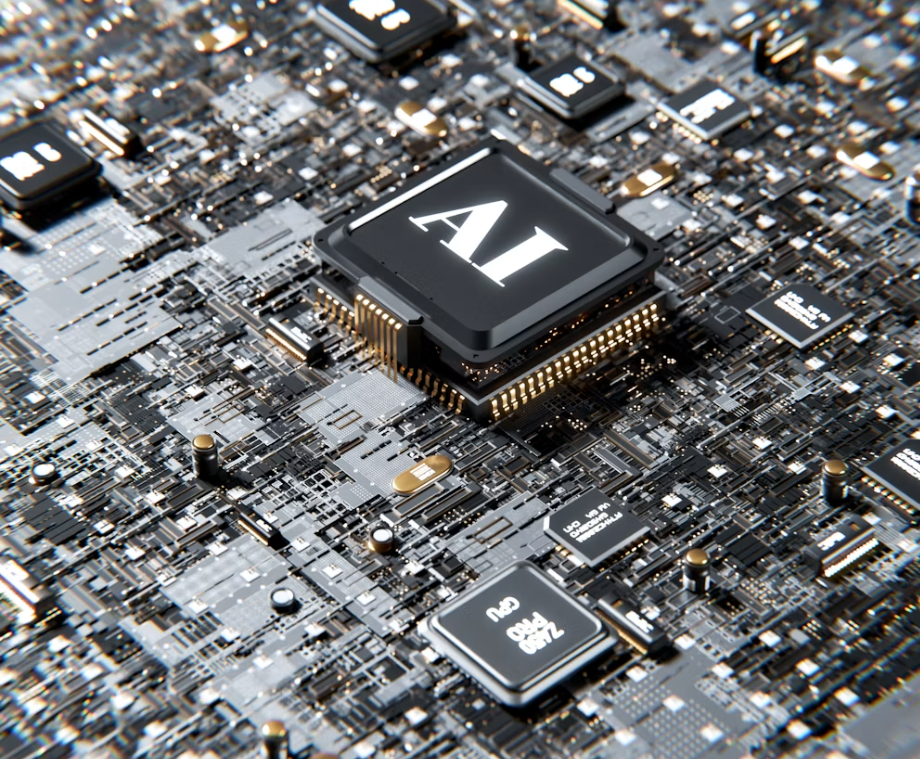
Perhaps no force is transforming PCB assembly more profoundly than artificial intelligence. The impact extends across the entire value chain, from initial design to final quality assurance.
Generative Design and Automated Layout: AI models trained on vast datasets of PCB designs can now generate viable component placement and routing solutions that account for signal integrity, thermal management, and design-for-manufacturability (DFM) constraints in a single pass. Browser-based AI tools are democratizing access to professional-grade automation, eliminating the need for expensive software licenses and reducing design turnaround from weeks to days for standard embedded and IoT applications.
Predictive Process Control: On the factory floor, AI-powered systems analyze real-time data from solder paste inspection (SPI), automated optical inspection (AOI), and reflow ovens to predict process drift before it impacts yield. By integrating these systems with manufacturing execution systems (MES), manufacturers can implement closed-loop process control that continuously optimizes parameters without human intervention.
Defect Prevention and Root-Cause Analysis: Machine learning algorithms trained on historical defect data can identify subtle patterns invisible to human operators, enabling predictive maintenance and preemptive quality interventions. This shift from reactive inspection to predictive prevention represents a fundamental change in quality management philosophy.
While consumer electronics and telecommunications have historically dominated PCB demand, the automotive sector is now the primary growth engine. The transition to electric vehicles (EVs), advanced driver-assistance systems (ADAS), and software-defined vehicles has exponentially increased electronic content per vehicle.
A modern EV contains significantly more PCBs than its internal combustion counterpart, with requirements spanning battery management systems, power inverters, onboard chargers, and complex infotainment platforms. These applications demand high-reliability, heavy-copper, and rigid-flex PCBs capable of withstanding extreme thermal cycling and vibration. The shift toward autonomous driving further necessitates high-density interconnect (HDI) boards and substrate-like PCBs (SLP) to accommodate the massive sensor fusion and AI computing workloads required for real-time decision-making.
The global rollout of 5G networks—and the nascent development of 5G-Advanced and 6G technologies—is creating unprecedented demand for high-frequency, high-speed PCBs. These applications require materials with low dielectric loss and stable performance at millimeter-wave frequencies, driving adoption of advanced laminates such as PTFE, ceramic-filled hydrocarbons, and modified epoxy systems.
Base stations, small cells, and massive MIMO antennas require multi-layer boards with precisely controlled impedance and minimal signal attenuation. The proliferation of edge computing and IoT devices at the network periphery further expands the addressable market, as billions of connected sensors and actuators each require compact, cost-optimized PCB solutions.
Automation in PCB assembly has evolved far beyond basic pick-and-place machines. The modern smart factory integrates robotics, machine vision, and IoT connectivity into a cohesive, data-driven ecosystem.
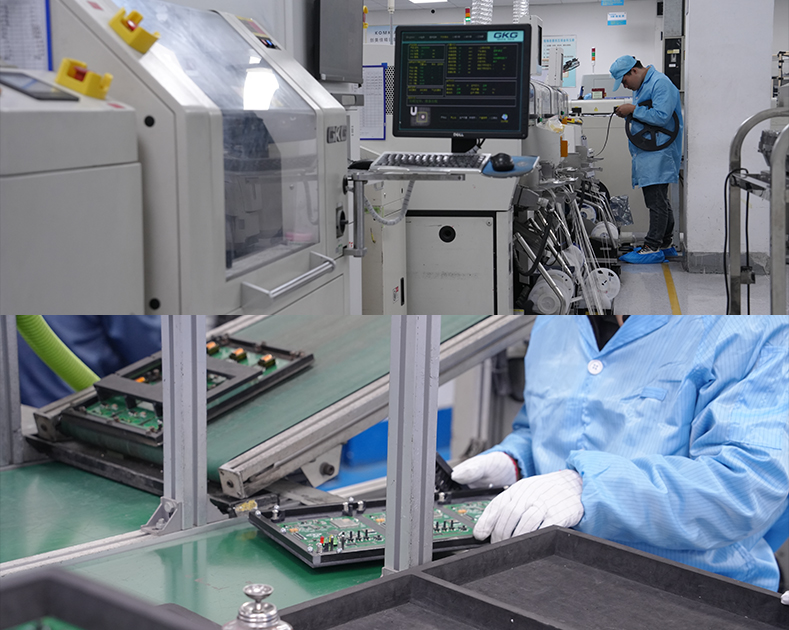
Closed-Loop Process Integration: Contemporary SMT lines feature seamless data flow from SPI (measuring solder paste volume, height, and area) through precision placement, reflow soldering with 4D thermal profiling, and post-reflow AOI. This integration enables real-time trend analysis and automatic corrective actions, reducing process variability and improving first-pass yield rates by up to 20–30%.
Lights-Out Manufacturing: Leading facilities are progressing toward fully automated production environments capable of handling mixed-technology boards—including fine-pitch surface-mount devices alongside through-hole components—without human intervention. Predictive replenishment systems integrated with enterprise resource planning (ERP) ensure continuous material flow, minimizing downtime.
Digital Twin Technology: Virtual replicas of physical production lines allow manufacturers to simulate process changes, optimize thermal profiles, and validate new product introductions before committing to physical prototypes. This capability dramatically reduces new product introduction (NPI) cycles and associated costs.
Environmental responsibility is transitioning from a marketing differentiator to a regulatory imperative. The PCB industry, historically resource-intensive, is undergoing a systematic green transformation.
Material Innovation: Manufacturers are increasingly adopting lead-free soldering alloys, halogen-free substrate materials, and recyclable laminates to comply with stringent regulations such as the EU RoHS Directive and REACH. Bio-based resins and water-based cleaning processes are replacing traditional solvent-based chemistries, reducing volatile organic compound (VOC) emissions.
Waste Reduction and Energy Efficiency: Advanced process control and AI-driven optimization are reducing scrap rates and rework, with leading facilities reporting waste generation reductions of up to 40%. Simultaneously, the transition to renewable energy sources and energy-efficient equipment is lowering the carbon footprint per board produced.
Circular Economy Initiatives: End-of-life PCB recycling technologies are maturing, enabling the recovery of precious metals (gold, palladium, copper) and rare earth elements. Closed-loop material systems, where recovered substrates are reintegrated into new production cycles, are emerging as a strategic priority for sustainability-focused manufacturers.
The COVID-19 pandemic and subsequent geopolitical tensions have exposed the fragility of globally dispersed electronics supply chains. In response, the PCB industry is actively reconfiguring its geographic footprint.
Nearshoring and Friend-Shoring: OEMs and EMS providers are diversifying manufacturing locations beyond traditional Asian hubs to mitigate geopolitical risks and reduce logistics costs. North America and Europe are witnessing renewed investment in domestic PCB fabrication capabilities, particularly for aerospace, defense, and medical applications where supply security is paramount.
Asia-Pacific Dominance with Evolving Dynamics: The Asia-Pacific region continues to account for the majority of global PCB production and consumption, with China, Taiwan, Japan, and South Korea maintaining their positions as manufacturing powerhouses. However, rising labor costs, trade tensions, and environmental regulations are prompting some capacity relocation to Southeast Asian nations such as Vietnam, Thailand, and Malaysia.
Inventory Strategy Shifts: The industry is moving away from just-in-time (JIT) extremes toward more resilient "just-in-case" inventory models, supported by AI-driven demand forecasting and multi-sourcing strategies for critical materials.
The insatiable demand for smaller, lighter, and more powerful electronic devices continues to push the boundaries of PCB technology.
High-Density Interconnect (HDI) and SLP: HDI technology, characterized by microvias, fine lines, and high layer counts, now represents a significant and growing share of advanced PCB manufacturing. Substrate-like PCBs (SLP), which bridge the gap between traditional PCBs and semiconductor substrates, are enabling the ultra-compact designs required for flagship smartphones and wearable devices.
Flexible and Rigid-Flex Solutions: Flexible PCBs are no longer niche components but mainstream enablers of innovative form factors—from foldable smartphones requiring over fifty flexible circuits per device, to medical implants and automotive instrument clusters where space and dynamic flexing are critical constraints.
Embedded Component Technology: The integration of passive and active components directly into the PCB substrate, rather than mounting them on the surface, is gaining traction. This approach reduces board area, improves electrical performance, and enhances reliability by eliminating solder joints.
These transformative trends are fundamentally altering the buyer-supplier dynamic in PCB procurement:
Technical Specification Complexity: Buyers must now possess deeper technical fluency to evaluate supplier capabilities in areas such as high-frequency material selection, HDI design rules, and automotive reliability standards (AEC-Q100/Q200).
Supplier Qualification Criteria: Beyond traditional metrics of cost, quality, and delivery, procurement decisions increasingly hinge on suppliers' automation maturity, environmental compliance certifications, supply chain transparency, and geopolitical risk exposure.
Strategic Partnership Models: As customization becomes standard and product lifecycles compress, transactional purchasing is giving way to strategic partnerships. Buyers should seek manufacturers capable of co-design support, rapid prototyping, and transparent data sharing through digital platforms.
Total Cost of Ownership (TCO): The lowest unit price no longer guarantees the best value. Buyers must factor in yield rates, field reliability, compliance costs, and supply chain resilience when evaluating PCB sources.
To thrive in this evolving landscape, industry stakeholders should consider the following strategic imperatives:
Rather than pursuing wholesale automation, implement phased upgrades starting with SPI-AOI closed-loop integration, followed by MES connectivity and AI-powered analytics. Prioritize equipment with open APIs and SMEMA compliance to ensure interoperability.
Establish early-stage collaboration between design engineers and manufacturing teams. Leverage AI-assisted DFM tools to identify assembly risks—such as component spacing violations, thermal hotspots, and test access limitations—before prototypes are fabricated.
Map critical component and material dependencies across tier-1 and tier-2 suppliers. Develop qualified secondary sources in alternative geographies, and maintain strategic buffer stocks for long-lead-time materials such as high-performance laminates and specialty chemicals.
Conduct comprehensive carbon footprint assessments across the manufacturing value chain. Pursue ISO 14001 certification, transition to halogen-free and lead-free processes, and establish partnerships with certified e-waste recyclers to support circular economy objectives.
Address the skilled labor shortage by investing in apprenticeship programs, cross-training existing technicians on multi-disciplinary skills (electronics, software, data analytics), and partnering with technical universities to curriculum-align with Industry 4.0 competencies.
Stay ahead of evolving standards such as IPC-1791 (trusted supplier requirements), automotive IATF 16949, and emerging environmental regulations. Proactive compliance reduces retrofit costs and opens access to premium market segments.
The PCB assembly manufacturing industry stands at an inflection point defined by technological convergence, market expansion, and structural reinvention. The integration of artificial intelligence, the electrification of transportation, the deployment of next-generation telecommunications, and the imperative of sustainable manufacturing are not isolated trends—they are interconnected forces reshaping every aspect of the value chain.
Success in this environment demands more than incremental improvement. It requires a fundamental rethinking of design methodologies, production systems, supply chain architectures, and customer relationships. Organizations that embrace intelligent automation, invest in advanced materials and processes, cultivate resilient supply networks, and embed sustainability into their core operations will be best positioned to capitalize on the industry's trajectory toward a $130 billion-plus market by the next decade.
The future of PCB assembly is not merely about connecting components on a substrate. It is about connecting innovation, efficiency, and responsibility into a unified manufacturing philosophy that powers the next generation of human progress.
Find Partners, Not Just Suppliers
Expert OEM & PCBA manufacturing tailored to your exact specifications. Contact us today to discuss your project and discover a more collaborative way to manufacture.
Get a Fast Quote & Free DFM Review
Related PCB Assembly Service