Phone: +86-137 5102 2384
Phone: +86-137 5102 2384
Jun. 09, 2026
Share:
When considering PCB assembly options, understanding the differences between full turnkey and partial turnkey services is crucial for optimizing project outcomes, balancing budgets, and meeting time-to-market deadlines.
Full turnkey PCB assembly means the provider manages the entire manufacturing lifecycle from inception to delivery. This comprehensive service encompasses component sourcing, PCB fabrication, assembly (PCBA), rigorous testing, and final shipping. It streamlines the entire workflow by providing clients with a single point of contact.
Streamlined Communication: Eliminates the hassle of managing multiple vendors by routing everything through one dedicated supplier.
Accelerated Time-to-Market: Seamless transitions between fabrication and assembly significantly reduce production lead times.
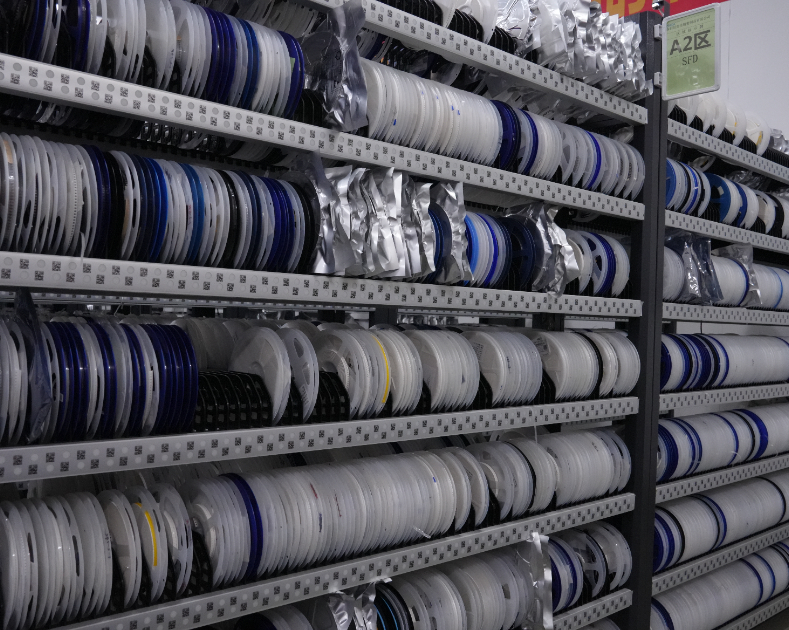
Mitigated Supply Chain Risks: Established relationships between the manufacturer and component distributors decrease the likelihood of component shortages or counterfeit parts.
Higher Initial Cost: The comprehensive, all-inclusive nature of the service requires a higher upfront financial commitment.
Reduced Procurement Control: Clients have less hands-on oversight regarding individual component pricing and sourcing channels.
Partial turnkey PCB assembly allows clients to retain control over specific segments of the supply chain while outsourcing fabrication and assembly. In this model, the client typically sources and consigns the core components or specialized integrated circuits (ICs), while the assembly house manages the remaining manufacturing, testing, and standard parts replenishment.
Granular Component Control: Greater command over component selection, specific brand authorized distribution, and unit costs.
Inventory Optimization: Flexibility to utilize existing inventories or specialized consignment components.
Bulk Purchase Savings: Established enterprises can leverage their own volume purchasing agreements with global distributors.
Increased Supply Chain Complexity: Requires managing fragmented communication lines between component vendors and the assembly house.
Higher Time Investment: The client must actively manage logistics, shipping timelines, and kit completeness (ensuring correct overage/attrition rates), which can delay production if parts are missing.
| Feature | Full Turnkey Assembly | Partial Turnkey Assembly |
| Component Control | Low (Managed by Supplier) | High (Managed by Client) |
| Supply Chain Logisitics | Simple (Single Point of Contact) | Complex (Multi-Vendor Management) |
| Time to Market | Fast & Predictable | Variable (Dependent on Consignment Delivery) |
| Cost Structure | Higher upfront fee; lower overhead cost | Lower material fee; higher internal management cost |
| Ideal For | Startups, Rapid Prototyping, Agile NPI | Established OEMs, Specialized/Custom IC Designs |
The choice between full and partial turnkey assembly can directly impact product performance parameters, such as battery life and circuit stability.
Full Turnkey Services ensure optimal assembly processes by utilizing standardized, vetted components and strict Quality Management Systems (QMS). Automated inspections like ICT (In-Circuit Testing) and FCT (Functional Testing) minimize defects like parasitic leakage current, which is critical for maximizing battery efficiency in IoT and portable devices.
Partial Turnkey Services offer the flexibility to manually select highly specific, ultra-low-power microcontrollers or high-efficiency power management ICs (PMICs) from specialized vendors, allowing engineers to fine-tune power consumption profiles for specialized applications.
Businesses looking for velocity, operational efficiency, and a hands-off manufacturing experience should opt for full turnkey solutions. This is the ideal strategy for startups, R&D teams, and companies entering the market rapidly with New Product Introductions (NPI).
Established hardware companies, OEMs, and enterprises that possess existing component inventories, proprietary silicon, or deeply negotiated vendor contracts will benefit most from partial turnkey services. This approach allows for deeper customization and localized cost control.
Choosing between full turnkey and partial turnkey PCB assembly ultimately depends on your project's unique timeline, budget, and supply chain maturity.
Ready to optimize your next electronics project? Partner with Benewave today. Upload your BOM (Bill of Materials) and Gerber files to our One-Stop PCB Assembly platform, and our expert engineers will provide a comprehensive cost analysis and Design for Manufacturability (DFM) review within 24 hours.
Find Partners, Not Just Suppliers
Expert OEM & PCBA manufacturing tailored to your exact specifications. Contact us today to discuss your project and discover a more collaborative way to manufacture.
Get a Fast Quote & Free DFM Review
Related PCB Assembly Service