Phone: +86-137 5102 2384
Phone: +86-137 5102 2384
Jun. 15, 2026
Share:
In the fast-paced world of PCB assembly (PCBA), effective component sourcing is the bedrock of project success. However, procurement is rarely a straightforward path. For overseas buyers and distributors, navigating the volatile electronics market presents a series of complex hurdles that can quickly derail production timelines, inflate budgets, and compromise product reliability.
Understanding these critical pain points—and knowing how to address them—is essential for keeping your projects on track. This article explores the most common sourcing difficulties in PCB assembly and provides practical, industry-proven strategies to overcome them.
Component sourcing is far more intricate than simply buying parts off a shelf. Below are the most pressing challenges currently facing buyers:
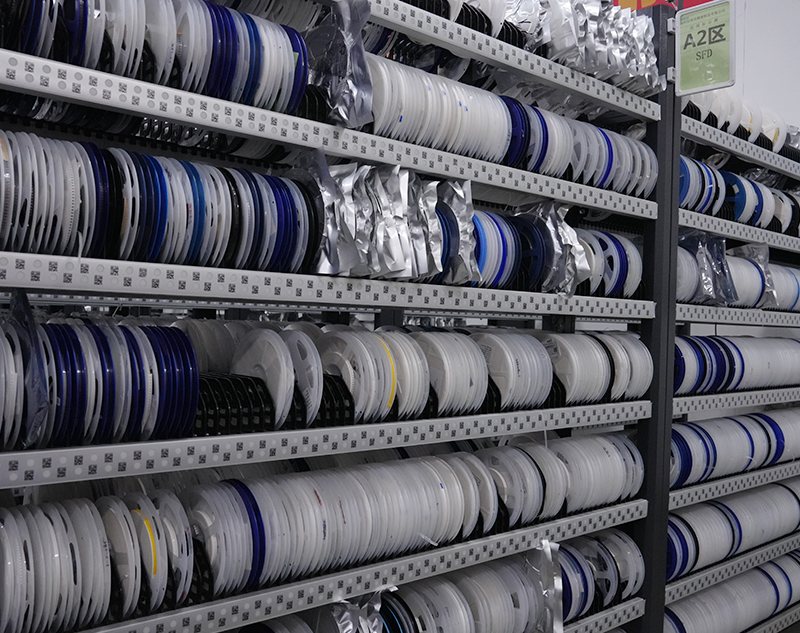
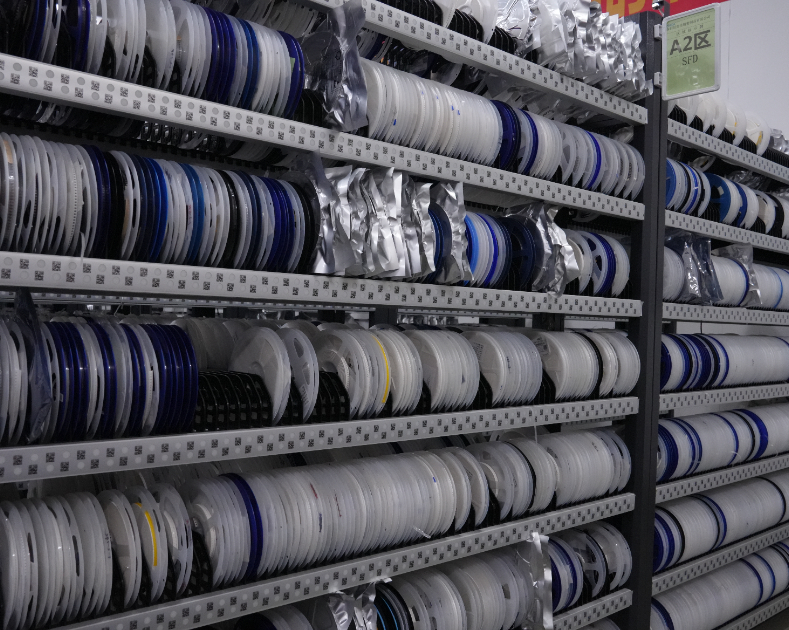
Lead times for critical semiconductor chips and passive components fluctuate wildly based on market demand, manufacturing capacities, and geographic constraints. A sudden spike in lead times for a single microchip can stall an entire assembly line for months.
The electronics market is highly sensitive to supply and demand shifts. Prices for components can spike overnight due to raw material shortages, factory allocations, or sudden industry trends, making project budgeting exceptionally difficult to forecast.
With supply shortages comes a rise in unverified brokers offering hard-to-find parts. Sourcing from unvetted suppliers dramatically increases the risk of receiving counterfeit, repackaged, or substandard components, leading to catastrophic product failures in the field.
Technology evolves rapidly. Manufacturers frequently transition older components to "End-of-Life" (EOL) status. If your Bill of Materials (BOM) contains obsolete parts without your knowledge, you may face costly redesigns right before production begins.
From geopolitical tensions to natural disasters and shipping lane bottlenecks, global supply chains are constantly vulnerable. Overseas buyers are particularly exposed to these macro-environmental delays.
To build a resilient supply chain, buyers must transition from reactive purchasing to proactive sourcing strategies. Here are the most effective ways to mitigate risks:
Before any sourcing begins, perform a rigorous BOM (Bill of Materials) Scrub. This involves checking every single part number for availability, lifecycle status (active vs. EOL), and pricing. Identifying high-risk components early allows you to design in alternative options before committing to production.
Never rely on a single part number with no backup. During the design phase, establish a list of approved manufacturer equivalents (crosses) that share the exact same form, fit, and function (FFF). If the primary component is out of stock, the assembly team can seamlessly pivot to the alternative.
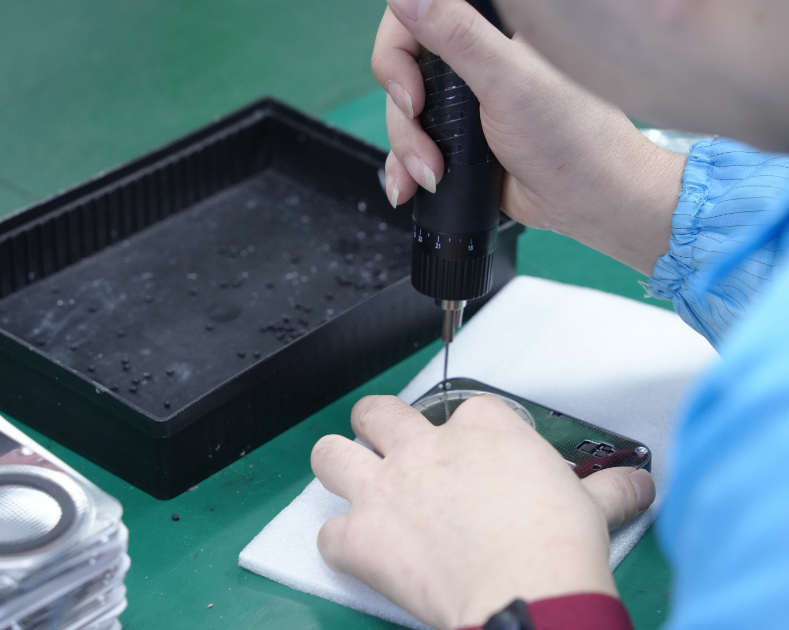
To combat counterfeit parts, work exclusively with suppliers who adhere to strict quality control frameworks (such as ISO 9001 and AS9120). Implement rigid incoming inspection protocols—including visual inspection, microscopic analysis, and X-ray testing—to verify component authenticity before they reach the assembly line.
Managing multiple component vendors, shipping schedules, and customs clearance is highly complex. Partnering with a turnkey PCB assembly provider simplifies this process. They leverage established, vetted global supply networks, volume discounts, and in-house engineering expertise to handle procurement on your behalf.
Choosing the right approach depends on your project’s scale, complexity, and risk tolerance. Use this matrix to guide your decision:
| Sourcing Strategy | Best Used For | Pros | Cons |
| Turnkey Sourcing (Partner manages all) | Fast-turn prototypes, complex BOMs, medium-to-high volumes | Minimal overhead, streamlined communication, partner handles risk and logistics | Slightly less direct control over exact vendor selection |
| Consigned Sourcing (Buyer provides parts) | Highly proprietary designs, specialized or custom ICs | Direct control over inventory, no markup fees from assembler | High shipping costs, complex logistics, buyer carries all risk of shortages |
| Hybrid Sourcing (Shared responsibility) | Standard commercial runs with specific critical parts | Balances cost-efficiency with risk mitigation | Requires meticulous coordination between buyer and manufacturer |
To optimize your procurement, adopt this step-by-step workflow designed to catch errors early and streamline production:
Navigating the volatile electronic component market doesn't have to stall your project or drain your budget. By implementing proactive BOM scrubbing, identifying alternative components, and maintaining strict quality standards, overseas buyers and distributors can build a highly resilient supply chain.
As a leading manufacturer specializing in one-stop, turnkey PCB assembly, Benewave is here to take the hassle out of your procurement. From comprehensive BOM risk assessments and global vendor networks to rigorous counterfeit detection, we manage the entire supply chain so you can focus on innovation.
Ready to de-risk your next project? Contact the team at Benewave today for a professional BOM assessment and a free, comprehensive quotation.
Find Partners, Not Just Suppliers
Expert OEM & PCBA manufacturing tailored to your exact specifications. Contact us today to discuss your project and discover a more collaborative way to manufacture.
Get a Fast Quote & Free DFM Review
Related PCB Assembly Service