Phone: +86-137 5102 2384
Phone: +86-137 5102 2384
Aug. 18, 2026
Share:
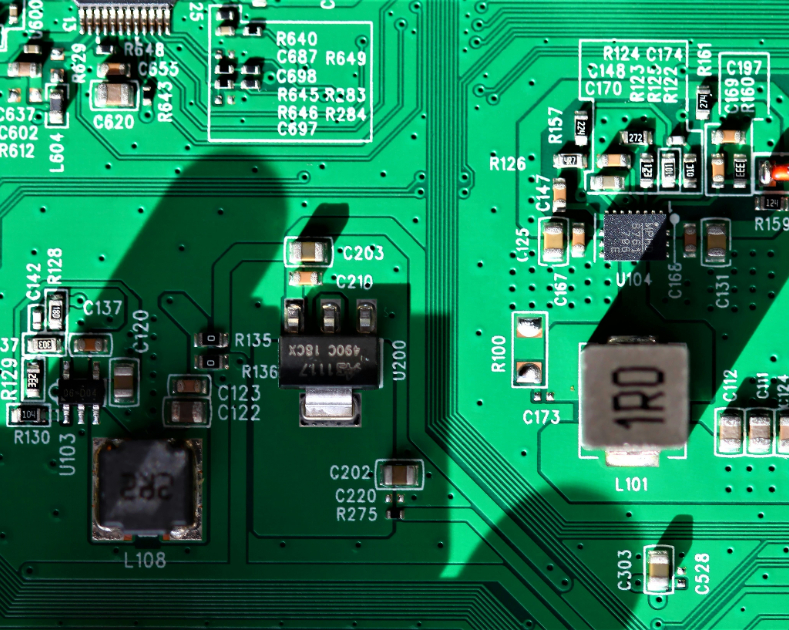
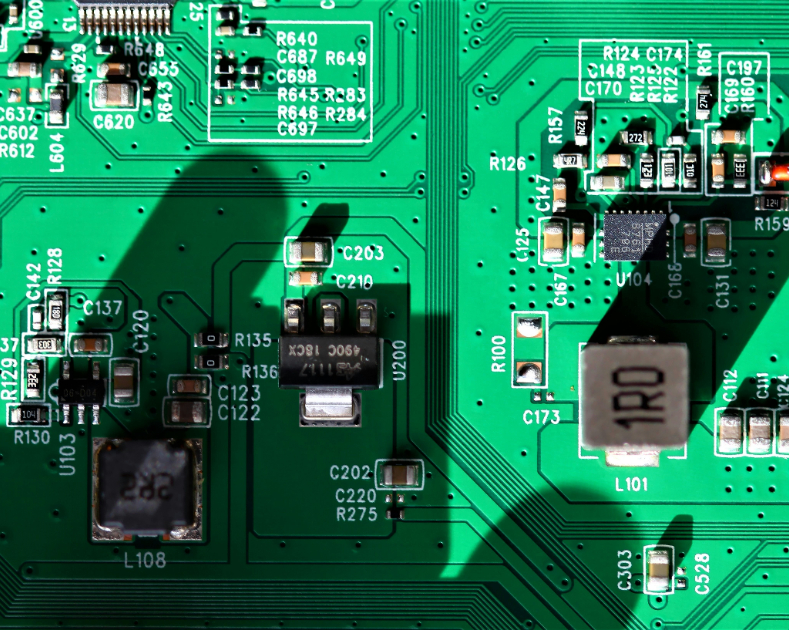
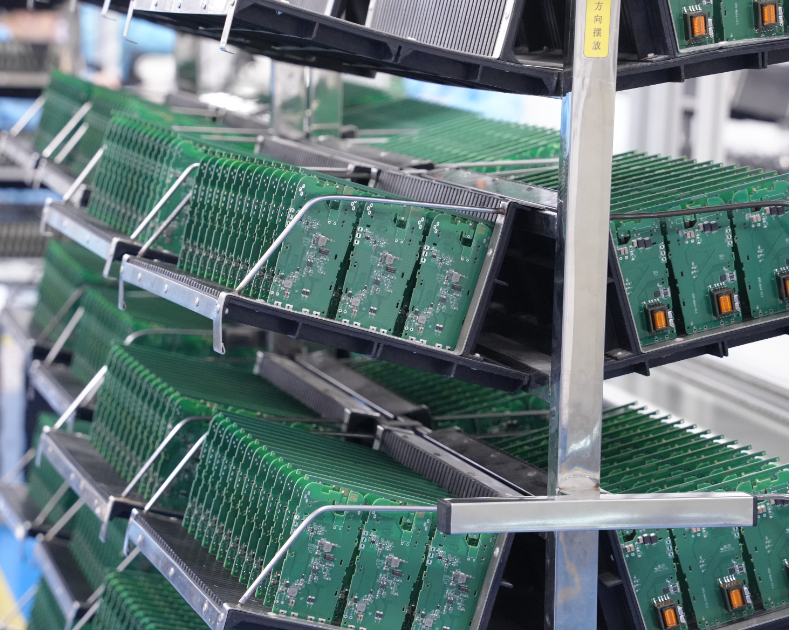
Choosing a one stop pcb assembly and PCBA supplier can affect your product quality, cost, and delivery time. Many buyers compare only the quoted price and miss important details about production control. A reliable supplier should manage PCB fabrication, SMT assembly, component sourcing, and final testing in one clear process. You also need to check the supplier's quality system, engineering support, and production capacity. This guide explains ten questions that can help you choose a dependable electronics manufacturing partner.
These questions are useful for startups, product designers, purchasing teams, and established manufacturers. They can help you compare a turnkey PCB assembly service with a supplier that only performs basic board assembly.
Before choosing a PCBA supplier, check its experience, certifications, engineering support, component sourcing process, assembly capabilities, inspection methods, production capacity, lead time, pricing, and after-sales service. The best supplier can provide one stop PCB assembly from prototype production to mass manufacturing while keeping quality, traceability, and communication under control. Ask for clear evidence, such as certifications, sample inspection reports, production data, and customer references.
PCBA suppliers may specialize in different industries. Some focus on consumer electronics. Others work with medical devices, industrial controls, automotive systems, communication equipment, or smart home products.
Ask whether the supplier has built products with similar board sizes, component types, operating conditions, and quality requirements. Experience with a similar product can reduce design errors and production delays.
A supplier with relevant experience can often identify risks in the bill of materials, board layout, and assembly process before production begins.
One stop PCB assembly means that one supplier manages most or all stages of the project. These stages may include PCB manufacturing, component procurement, stencil production, SMT assembly, through-hole assembly, inspection, testing, and packaging.
This model can reduce the number of vendors you need to manage. It can also make responsibility clearer when a problem occurs.
| Service model | Main benefit | Possible risk | Best use |
|---|---|---|---|
| PCB assembly only | Simple supplier arrangement | You must source boards and parts separately | Projects with an established supply chain |
| Turnkey PCB assembly | The supplier manages boards, parts, and assembly | Requires trust in the supplier's sourcing process | New products and growing companies |
| One stop PCB assembly | Includes sourcing, assembly, testing, and delivery support | Supplier capability must be checked carefully | Prototype to mass production projects |
Ask Benewave or any potential supplier to describe the exact services included in its one stop PCB assembly package. Do not assume that the term includes testing, box build, or product packaging.
Certifications show that a supplier follows a documented quality process. Common certifications include ISO 9001 for quality management, ISO 13485 for medical devices, and IATF 16949 for automotive production. RoHS and REACH compliance may also be important for products sold in many markets.
Certification alone does not guarantee perfect production. You should also ask how the supplier controls defects during daily work.
For example, a supplier may report first pass yield data by product line. This data is more useful than a general statement that the factory has high quality.
Your design may need more than standard SMT assembly. Ask whether the supplier can support fine-pitch components, BGA packages, QFN packages, mixed technology boards, flexible circuits, heavy copper boards, and through-hole components.
Equipment capacity also matters. A supplier should have suitable printers, pick-and-place machines, reflow ovens, soldering systems, inspection tools, and repair stations.
Ask for equipment details, placement accuracy, minimum component size, maximum board size, and production limits. These details can show whether the supplier can support your current design and future revisions.
Component sourcing is one of the main risks in electronics production. Counterfeit parts, obsolete parts, long lead times, and sudden price changes can affect the project.
Ask whether the supplier buys from authorized distributors, approved brokers, or other sources. You should also ask how the supplier checks part authenticity and storage conditions.
A good supplier should separate customer-owned components from supplier-sourced components. It should also provide a clear shortage report when parts are not available.
Design for manufacturability, or DFM, reviews a design before production. The goal is to find problems that may increase cost or create assembly defects.
A DFM review may check solder pad design, component spacing, board thickness, panel design, thermal relief, fiducials, polarity marks, and test point access.
DFM support is especially important for a new product. It can prevent repeated prototypes and reduce the risk of solder bridges, missing components, tombstoning, and poor solder joints.
Inspection and testing should match the risk level of your product. A visual check alone may not find hidden solder problems or electrical faults.
| Method | What it checks | When it is useful |
|---|---|---|
| Manual visual inspection | Visible component and solder issues | Basic process control and rework checks |
| Automated optical inspection | Component placement, polarity, and solder joints | SMT production with repeated board designs |
| X-ray inspection | Hidden joints under BGA and other packages | Dense boards and hidden solder connections |
| In-circuit test | Component values and electrical connections | Stable products with test fixture access |
| Functional test | Real operating performance | Products that need system-level verification |
Ask which tests are included in the quote and which tests require an extra charge. Also ask whether the supplier can help develop a test fixture or test software.
A low price does not help if the supplier cannot meet your delivery date. Ask for separate lead times for engineering review, PCB fabrication, component sourcing, assembly, testing, and shipping.
You should also check whether the supplier has enough capacity for your expected order volume. A factory that handles prototypes may not have the equipment or labor plan for a monthly mass production order.
Request a written production schedule. It should identify the main milestones and the person responsible for each step.
PCBA pricing can include many separate items. A quote may cover assembly labor but exclude tooling, testing, programming, packaging, freight, or engineering work.
Ask the supplier to explain the price for every major part of the project. This makes it easier to compare quotations from different suppliers.
| Cost item | Questions to ask |
|---|---|
| PCB fabrication | What board material, thickness, finish, and quantity are included? |
| Components | Are prices based on current stock, future purchases, or customer-supplied parts? |
| Assembly | Does the price include SMT, through-hole, and manual assembly? |
| Tooling | Are stencils, fixtures, and test tools included? |
| Inspection and testing | Are AOI, X-ray, ICT, and functional tests included? |
| Shipping and packaging | Are freight, export documents, and special packaging included? |
The lowest unit price is not always the lowest total cost. A supplier with better DFM support, fewer defects, and shorter lead times may provide better value.
Clear communication is essential during prototype and production work. You should know who will answer technical questions, provide order updates, and manage changes.
Ask whether the supplier assigns a project manager or account manager. Also ask how quickly the team normally responds to design questions and production issues.
Good support should continue after delivery. The supplier should help investigate field failures, manage corrective action, and protect your production schedule.
Use the following process to compare suppliers in a consistent way. It helps reduce decisions based only on price.
A scorecard can make supplier selection more objective. Give each area a score from 1 to 5. A score of 1 means poor performance. A score of 5 means strong performance with clear evidence.
| Evaluation area | Suggested weight | Evidence to review |
|---|---|---|
| Relevant industry experience | 15 percent | Similar projects and customer references |
| Quality system | 20 percent | Certificates, inspection reports, and defect data |
| Technical capability | 15 percent | Equipment list, package range, and test capability |
| Component sourcing | 10 percent | Approved supplier list, traceability, and shortage control |
| Engineering support | 10 percent | DFM report and change management process |
| Lead time and capacity | 10 percent | Production schedule and capacity plan |
| Total cost | 10 percent | Complete quotation with all charges |
| Communication and support | 10 percent | Response process, project manager, and warranty policy |
Choosing the right PCBA supplier requires more than comparing unit prices. You should review technical capability, quality control, component sourcing, DFM support, inspection methods, lead time, capacity, pricing, and customer service. A reliable one stop PCB assembly partner can manage the full process from PCB fabrication and component procurement to assembly, testing, and delivery. By asking these ten questions and testing the supplier with a prototype or pilot batch, you can reduce production risk and build a stronger supply chain.
A PCBA supplier assembles electronic components onto a printed circuit board. Services may include PCB fabrication, component sourcing, SMT assembly, through-hole assembly, inspection, testing, programming, and packaging.
One stop PCB assembly means that one supplier manages multiple stages of the project. These stages often include PCB manufacturing, component sourcing, assembly, inspection, testing, and delivery support.
A PCB is a bare printed circuit board without electronic components. A PCBA is a completed board with components mounted and soldered onto it.
DFM helps find design problems before manufacturing. It can reduce assembly defects, rework, material waste, and production delays.
Most suppliers need Gerber files, drill files, a bill of materials, pick-and-place data, assembly drawings, PCB specifications, testing instructions, and any special packaging requirements.
Ask for inspection and testing records. Depending on the product, these may include automated optical inspection, X-ray inspection, in-circuit testing, functional testing, and final visual inspection.
A turnkey PCB assembly service can be useful when you want one supplier to manage boards, components, assembly, and testing. It may reduce purchasing work, but you should verify the supplier's sourcing controls and substitution approval process.
Ask Benewave for current information about its prototype capacity, assembly technology, component sourcing, inspection methods, lead times, and mass production support. A detailed technical review and quotation can show whether the service matches your product requirements.
Find Partners, Not Just Suppliers
Expert OEM & PCBA manufacturing tailored to your exact specifications. Contact us today to discuss your project and discover a more collaborative way to manufacture.
Get a Fast Quote & Free DFM Review
Related PCB Assembly Service